
Lieferung heute & morgen

Qualitätsgarantie

Willkommens-Angebote freischalten: KOSTENLOSE Lieferung | Bis zu 80 % RABATT | Kostenlose 30-Tage-JoyPlus-Testphase
App herunterladen
A facial cleansing oil can dissolve sun cream, foundation and waterproof make-up without the need for vigorous rubbing. However, not every facial cleansing oil is suitable for every skin type or routine. If you focus only on terms such as “Deep Cleansing”, “Pore Control” or “natural oils”, you can easily overlook important details.
This statement describes a broad target audience, but does not explain whether a product contains fragrances, essential oils or certain preservatives. If you have sensitive skin, it is therefore worth checking the complete INCI list. Even a product marketed as gentle may contain ingredients to which some people react sensitively.
Terms such as “Pore Control” or “Blackhead Removal” usually refer to dissolving make-up, sebum and surface residue. A cleansing oil can remove these deposits from the skin, but it is not a substitute for dermatological treatment. Vigorous massaging, squeezing or leaving the product on for several minutes can place additional strain on the skin barrier.
When it comes into contact with water, the oil should turn into a milky emulsion. If this happens only partially, residue or a greasy film may remain. This is particularly relevant if you do not use a water-based cleanser afterwards. So look for clear directions for use and the recommended amount of water.
For dry skin, formulations containing oils such as jojoba, olive, sunflower or apricot kernel oil may be suitable. They may feel less stripping during cleansing. For sensitive skin, fragrance-free options or formulations containing a manageable number of fragrances are often easier to assess.
If you are looking for a cleansing oil for blemish-prone skin, do not automatically choose particularly intensive products. Thorough emulsification, suitable follow-up cleansing and individual skin tolerance are the key factors. The term “non-comedogenic” describes a product characteristic, but it does not guarantee that every skin reaction can be ruled out.
A cleansing oil is usually applied to dry hands and dry skin. After massaging for 30 to 60 seconds, lightly dampen your hands. This turns the oil milky so that it can be rinsed away. Products such as K-Beauty and J-Beauty formulations are often designed to create this oil-to-milk effect.
Avoid contact with the eyes, particularly if you have a sensitive eye area. For waterproof make-up, it is better to dissolve it for longer but gently than to rub. Stop using the product if persistent redness, stinging or a rash occurs.
The bottle size affects the actual price per application. Sizes of 200 to 240 ml are suitable for regular use, while 20 or 30 ml sizes are practical for trying a product or taking it travelling. Also check whether the product contains fragrances, essential oils or fragrance allergens that must be declared.
Double cleansing is optional: after heavy make-up, sun cream or if your skin feels oily, you can follow with a water-based cleanser. If your skin is only lightly soiled, a cleansing oil that rinses off well may be sufficient on its own, provided your skin feels clean and comfortable afterwards.
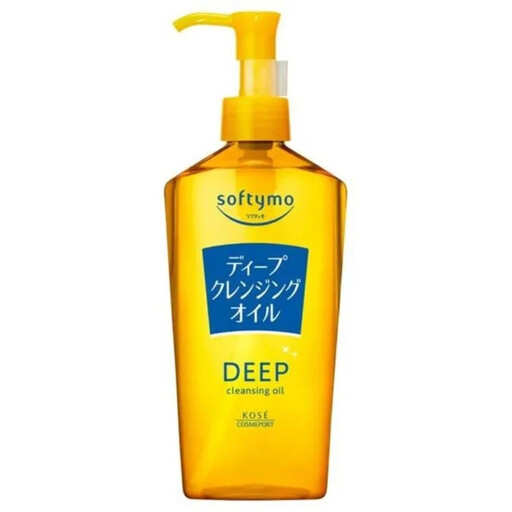
Why this product suits the profile: The generous 240 ml size is designed for regular use. According to the product description, the formulation is suitable for dry, oily and sensitive skin types and is labelled vegan.
The product details mention water-soluble use and suitability for waterproof make-up. This makes it easier to assess the emulsification process before buying.
240 ml size, several plant oils and stated make-up removal.
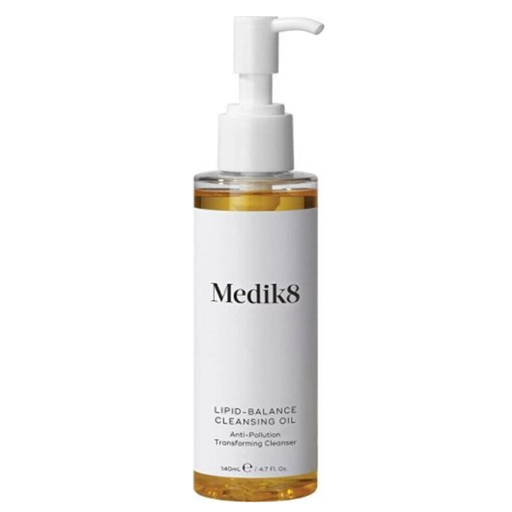
Why this product suits the profile: The formulation contains vitamin E, moringa extract, apricot kernel oil, jojoba oil and olive oil. According to the product details, it is suitable for all skin types, particularly dry skin.
The ingredients are clearly listed in the product offer. It also states that the product can be used without aggressive fragrances or colourants; the packaging remains the definitive source for the current INCI list.
140 ml size, clearly named oils and vitamin E, suitable for use on dry skin.
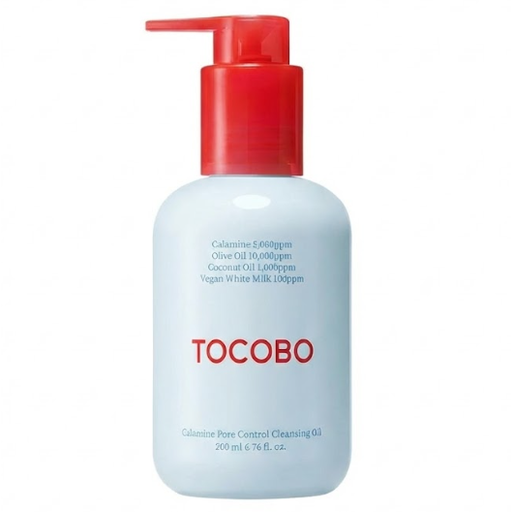
Why this product suits the profile: The 200 ml size is suitable for frequent use. Calamine, olive oil and coconut oil are listed as ingredients for cleansing sebum, impurities and waterproof make-up.
The description mentions fast emulsification. This reduces the risk of massaging the oil for too long or removing it with too much friction.
200 ml size, calamine, labelled vegan and designed to remove waterproof make-up.
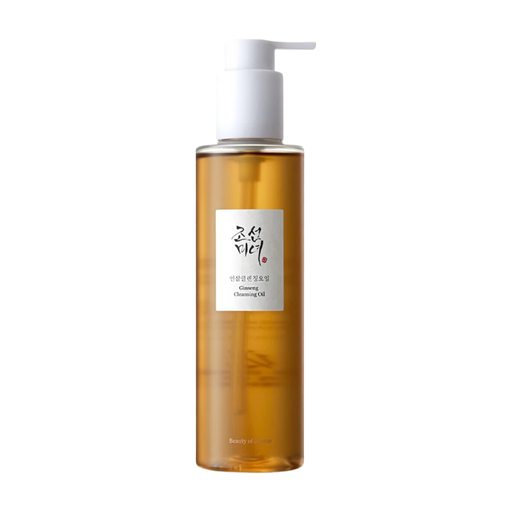
Why this product suits the profile: This Korean cleansing oil combines soybean oil and ginseng seed oil with micellar technology. The product details state that it is suitable for all skin types, particularly dry skin.
The product description explains the micellar and emulsifying functions in specific terms, rather than simply advertising general “deep cleansing”.
210 ml size, soap-free formulation and stated removal of make-up, sebum and everyday residue.
We have put together a complete, regularly updated list of products that fully meet these strict selection criteria and the safety regulations applicable in the EU.
In principle, cleansing oil can also be used on oily or blemish-prone skin. Look for a lightweight texture, complete emulsification and thorough yet gentle removal. Individual skin tolerance is crucial. If skin problems persist, it may be worth seeking dermatological advice.
According to their product descriptions, many formulations are designed to dissolve waterproof make-up, sun cream and sebum. Depending on the product and make-up, a short leaving-on time may be necessary. If residue remains, do not rub harder. Instead, emulsify again or use a suitable eye make-up remover afterwards.
The printed best-before date and the period-after-opening symbol on the packaging are the key points of reference. Store the bottle in a cool, dry place away from direct sunlight. Do not add water to the container, and stop using the product if its smell, colour or consistency changes noticeably.