
Lieferung heute & morgen

Qualitätsgarantie

Willkommens-Angebote freischalten: KOSTENLOSE Lieferung | Bis zu 80 % RABATT | Kostenlose 30-Tage-JoyPlus-Testphase
App herunterladen
A facial cleansing oil can dissolve make-up, sun cream, sebum and everyday residue without the need for vigorous rubbing. However, not every cleansing oil automatically provides a pleasant cleansing experience. The formulation, how you use it and whether the product suits your skin type are all key considerations.
The phrase “for all skin types” often describes a broad target audience, but does not necessarily mean the formulation is fragrance-free or particularly minimal. INCI lists may contain parfum, essential oils or fragrance allergens that must be declared, such as limonene, linalool or citral. If you have sensitive skin, check the full ingredients list on the packaging and test the product on a small area of skin first.
A blackhead cleansing oil can dissolve oil-soluble residue and excess sebum. However, this does not mean that blackheads will be permanently removed or that skin problems will be treated. Claims such as “refines pores” or “deep cleansing” should be understood as descriptions of the cleansing process, not as medical effects.
A hydrophilic cleansing oil contains emulsifiers that bind with water on contact. This often creates a milky texture that is easier to rinse off. Good emulsification is practical, but on its own it says nothing about skin compatibility, fragrance ingredients or suitability for waterproof make-up.
For dry skin, plant oils and conditioning ingredients can help create a comfortable skin feel. Examples include jojoba oil, sunflower oil, olive oil and vitamin E. For sensitive skin, short, easy-to-understand INCI lists without parfum are often easier to assess. Fragrance ingredients are not necessarily problematic, but may be an important selection criterion if you have an individual sensitivity.
For blemish-prone skin or skin that is prone to blackheads, the most important consideration is whether the product emulsifies properly and rinses off without leaving residue. The term non-comedogenic should not be considered in isolation; individual skin reactions can vary.
A suitable cleansing oil should spread easily over dry skin and turn evenly milky when water is added. This makes it easier to rinse off. The typical application is:
For heavy or waterproof make-up, leaving the product on for a little longer while massaging gently may be helpful. Burning or persistent redness, however, is a reason to stop using the product.
Look out for:
A make-up remover oil is usually used as the first step in an evening cleansing routine. With double cleansing, this is followed by a water-based cleanser. This is particularly useful when removing sun cream, foundation or long-wearing make-up. However, an additional cleanser is not essential for everyone.
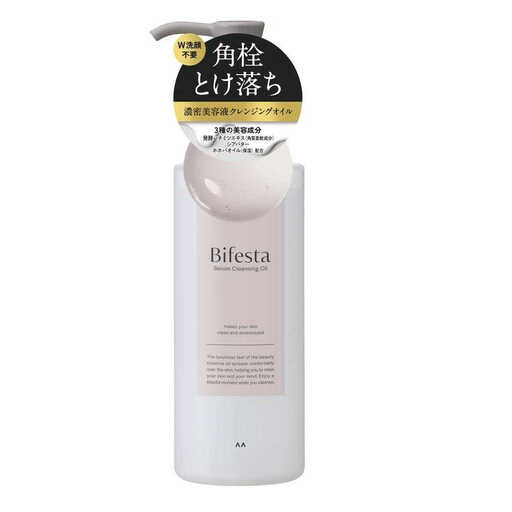
Why this product suits this profile: The pump bottle makes it easy to dispense the right amount. The formulation is designed to remove make-up and residue, and can be used every day.
The instructions explicitly call for emulsifying the oil with water. This allows it to be rinsed off in a controlled way rather than simply being spread over the skin.
160 ml contents, pump dispenser and a formulation containing tocopherol and plant-based ingredients.
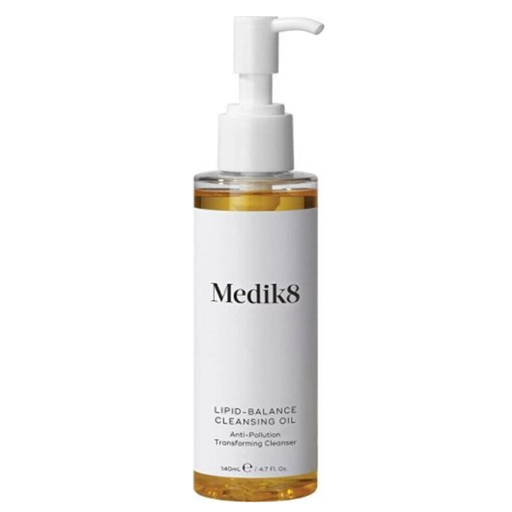
Why this product suits this profile: The straightforward formulation combines apricot kernel, jojoba and olive oils with moringa extract and vitamin E. This appeals to shoppers who like to compare ingredients carefully.
The product information names specific oils and vitamin E rather than relying solely on general skincare claims. The actual INCI list should still be checked before buying.
140 ml contents, an oil texture and clearly listed ingredients such as jojoba oil, moringa extract and tocopheryl acetate.
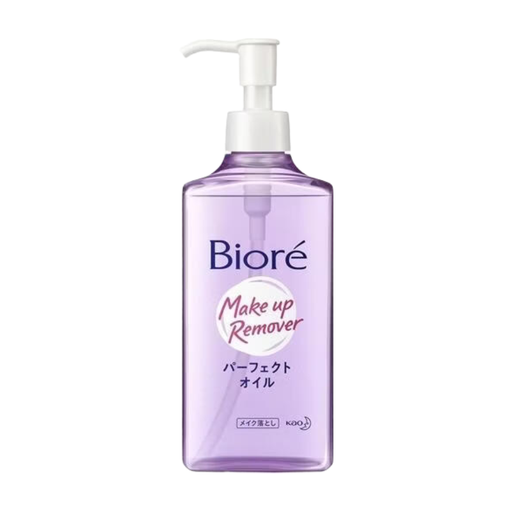
Why this product suits this profile: The product description states that it can be used on wet hands and a wet face. This can be practical when cleansing in the shower or changing make-up frequently.
Its suitability for wet hands helps avoid a common application mistake: spreading oil over wet skin when the manufacturer requires dry application.
230 ml contents and a stated focus on long-wearing and waterproof make-up.
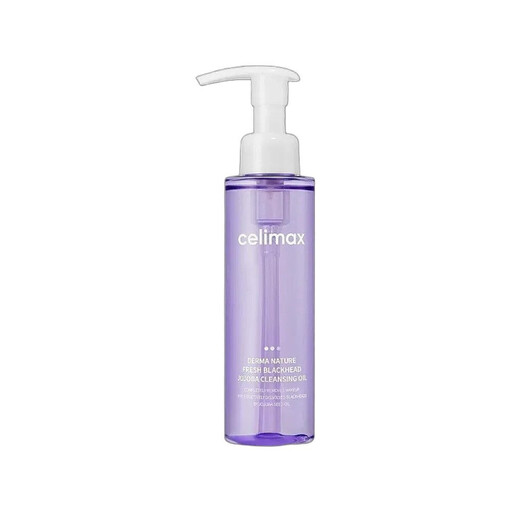
Why this product suits this profile: Jojoba oil, meadowfoam seed oil and green tea extract suit a routine focused on removing make-up, sun cream and excess sebum.
The formulation is not assessed solely on the term pore cleansing: emulsification, fragrance ingredients and the reference to bergamot oil are also relevant when choosing a product.
150 ml contents, jojoba oil, green tea extract and an application designed for double cleansing.
We have put together a complete, regularly updated list of products that fully meet these strict selection criteria and the safety regulations applicable in the EU.
That depends on the individual formulation. In particular, check for parfum, essential oils and fragrance allergens that must be declared. Testing the product on a small area before using it all over your face may be advisable. If irritation persists, stop using the product.
With double cleansing, the cleansing oil is used first, followed by a water-based facial cleanser. This can be useful when removing sun cream or heavy make-up. For light soiling, a well-emulsifying cleansing oil may also be sufficient on its own, depending on the product instructions.
The best-before date, the period-after-opening symbol and the information on the packaging are the key factors. Store the oil in a dry, cool place away from direct sunlight. If the smell, colour or texture changes noticeably, stop using the product.