
Lieferung heute & morgen

Qualitätsgarantie

Willkommens-Angebote freischalten: KOSTENLOSE Lieferung | Bis zu 80 % RABATT | Kostenlose 30-Tage-JoyPlus-Testphase
App herunterladen
A facial cleansing oil often removes make-up, sun protection, sebum and other oil-based residue more easily than a water-based cleanser alone. However, not every cleansing oil suits every skin type or routine. Rather than eye-catching marketing claims, focus on the formula, how to use it, how it feels on your skin and the size of the bottle.
A facial cleansing oil can dissolve oily residue and sebum on the surface of the skin. However, it won’t automatically remove every blemish or blackhead. Terms such as “pore cleansing” often describe the cleansing function, but they don’t promise a lasting change to your complexion.
Even a cleansing oil described as versatile may contain fragrance, essential oils or fragrance allergens that must be listed on the label. If you have sensitive skin or known intolerances, check the full INCI list on the packaging. Products containing fragrance may include ingredients such as Limonene, Linalool, Geraniol or Benzyl Salicylate.
A 500-ml bottle can be convenient for daily use, but it takes up more space and may take longer to use up once opened. If you’re new to cleansing oils or want to try a product first, a 150 to 200 ml size may be a better choice. Also look for a pump dispenser that closes securely, and check the product’s shelf life and Period After Opening guidance.
A good cleansing oil is applied to dry skin or, depending on the product instructions, damp skin. When you add water, it should turn into a milky emulsion and rinse off thoroughly. This process, known as emulsification, usually helps reduce any oily feel after rinsing.
If you want to remove waterproof make-up, gently massage the oil into your skin before adding water. Then wet your hands. Rubbing too hard around your eyes or lips can put extra strain on the skin.
Check the full ingredients list rather than relying on individual terms such as “Black Rice”, “Centella” or “Collagen”. These ingredients alone don’t tell you whether a product will suit your skin. If you have dry skin, formulas containing plant oils or squalane may be worth considering. If your skin is sensitive, shorter, simpler formulas without perfume or essential oils are often easier to assess.
If you have known allergies, always check the packaging, as formulas can change. Don’t use a cleansing oil on irritated, damaged or inflamed skin.
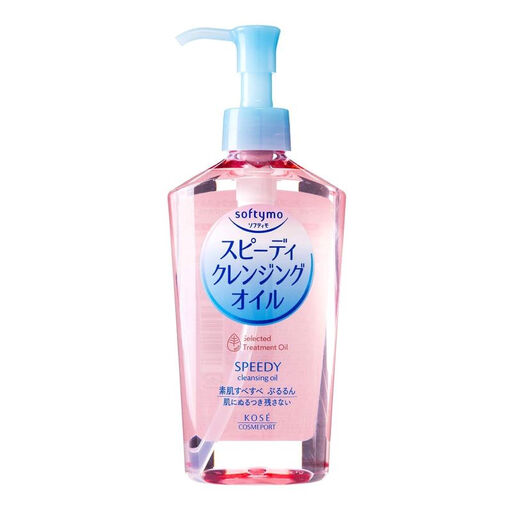
Why it suits this profile: The 240 ml size is a practical introduction to removing make-up every day. According to the product description, it can be used on dry or damp hands and on the face.
The product information describes a formula without alcohol, perfume, colourants or parabens. Even so, check the current packaging before buying.
240 ml size and, according to the product information, rinses away without leaving much residue.
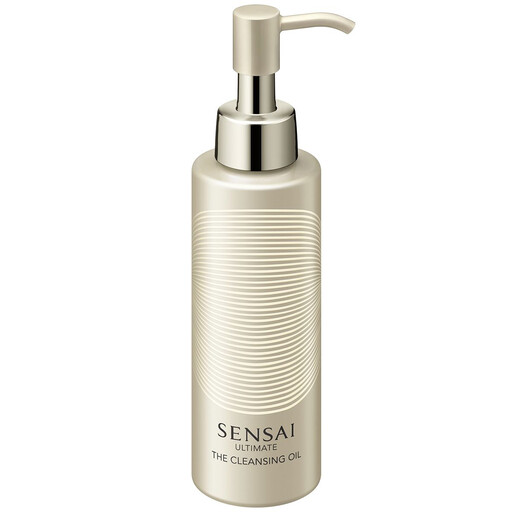
Why it suits this profile: This facial cleansing oil is for shoppers who prefer a silky texture, a pump dispenser and a premium skincare routine.
The 150 ml size limits how long the product needs to be stored after opening. The INCI list includes fragrance and declared fragrance allergens, so check these before use.
The product information lists squalane, rice and carrot ingredients; the oil is described as suitable for all skin types.
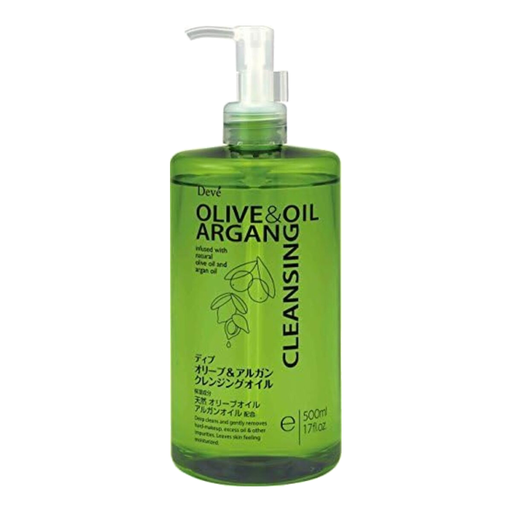
Why it suits this profile: The large 500 ml bottle is a good fit if you use cleansing oil regularly or prefer a Japanese skincare routine with frequent double cleansing.
The generous size may mean you need to buy a replacement less often. Store it in a cool place away from direct sunlight.
500 ml size with olive and argan oils, according to the product description; the product information says it can be used on dry or damp skin.
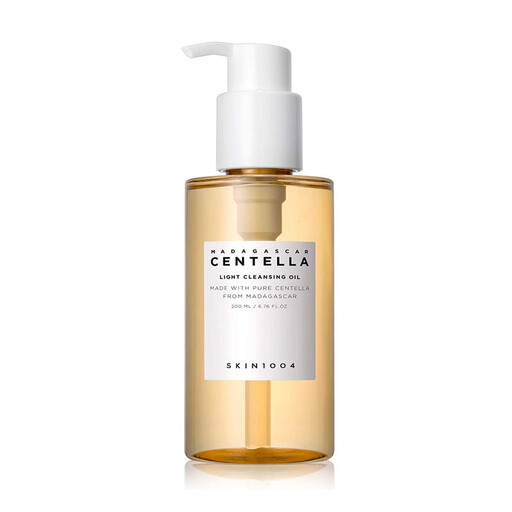
Why it suits this profile: Its lightweight texture and quick emulsification, as described, may appeal if you prefer your skin not to feel heavy after cleansing.
The INCI information lists several plant oils and essential oils. If your skin is sensitive, check the ingredients list and consider a patch test before using it regularly.
200 ml size, Centella asiatica extract according to the product information, and an oil-to-milk texture.
We’ve put together a complete, regularly updated list of products that meet these strict selection criteria and the safety requirements in force in the EU.
Yes, cleansing oil can be used on oily or combination skin. It dissolves oily residue without necessarily stripping the skin. The key is to choose a lightweight texture, emulsify it thoroughly and see how your skin feels after rinsing.
Not always. Some products are described as suitable for use as your only cleanser. With double cleansing, however, you’ll usually follow with a water-based cleanser, especially if you’re removing lots of make-up, sun protection or dirt.
It depends on how much you use each time and how often you use it. If you use two to three pumps per application, a 150 to 200 ml bottle will usually last several weeks with a daily evening routine. A 500 ml bottle can be a cost-effective option if you use cleansing oil regularly, but follow the packaging instructions after opening.