
Lieferung heute & morgen

Qualitätsgarantie

Willkommens-Angebote freischalten: KOSTENLOSE Lieferung | Bis zu 80 % RABATT | Kostenlose 30-Tage-JoyPlus-Testphase
App herunterladen
A facial cleansing oil can dissolve make-up, sun cream and sebum-based residue without the need for vigorous rubbing. However, not every facial cleansing oil suits every skin type or cleansing routine. Marketing terms such as “pore cleansing”, “deep cleansing” or “particularly gentle” reveal little about a product’s actual suitability on their own.
Many products are described as suitable for everyone. This does not automatically mean they will feel equally comfortable on dry, oily, sensitive or blemish-prone skin. The ingredients list, texture and fragrances included may be more important for your personal choice than the general target-group description.
A cleansing oil for sensitive skin should contain as few potentially irritating ingredients as possible. For dry skin, a nourishing oil phase may feel more comfortable. Those prone to oily skin often pay closer attention to a lightweight texture and an emulsion that leaves minimal residue.
A cleansing oil can dissolve oily residue and excess sebum from the skin’s surface. However, it does not automatically eliminate every blemish and is not a substitute for personalised skincare. Massaging for too long or too vigorously can place additional stress on the skin.
When choosing a cleansing oil for blackheads, correct application is therefore particularly important: massage briefly and gently, emulsify with water and rinse thoroughly. Claims about reducing blackheads or refining the appearance of pores should be understood as product properties rather than medical effects.
An oil that appears high quality can still leave a film after rinsing. What matters is whether it combines with water to form a milky emulsion. This process, known as emulsification, makes rinsing easier and reduces the risk of an unpleasant residue being left behind.
The following details are particularly useful when choosing a daily cleansing oil for removing make-up:
A lightweight texture is often suitable for users who want to follow with a water-based cleanser. Richer formulations may be appealing for dry skin, but they should still be rinsed off completely.
It is not just the brand name that matters: the complete INCI list provides a basis for meaningful comparison. Facial cleansing oils often contain plant oils such as olive, jojoba, sunflower, apricot kernel or rice bran oil. They may also contain emulsifiers, preservatives and fragrances.
If you are sensitive to fragrances, look out for terms such as “Parfum” and fragrance ingredients that must be declared. Product information can change, so the ingredients list on the packaging is the definitive reference. When trying a new product, it is advisable to apply it first to a small area of skin. Discontinue use if redness, stinging or a rash occurs.
Most products recommend one to three pumps per application. With daily use, a 200 or 240 ml bottle may last longer than a smaller 140 or 150 ml version. The actual usage period depends on the pump size, amount of make-up and frequency of application.
The packaging is also relevant: a hygienic pump dispenser makes it easier to measure the right amount and prevents water from getting into the bottle. Check the shelf life, batch number and period-after-opening symbol directly on the packaging.
With double cleansing, the cleansing oil is first applied to dry skin. It dissolves oily residue such as make-up, sun cream and sebum. Water is then added, the product is emulsified and rinsed off. A water-based cleanser can be used as the second step.
This method is not essential for every cleansing routine. For light make-up or a product that rinses off completely, a single cleansing step may be sufficient. With waterproof make-up, the oil should be left to work briefly and spread gently. The eye area is sensitive, so direct contact with the eyes should be avoided.
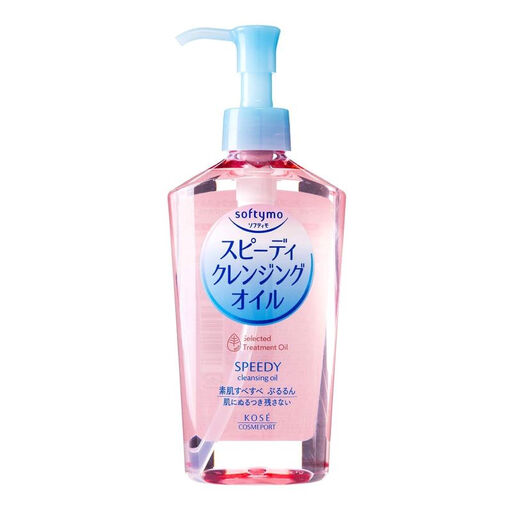
Why this product matches the profile: With 240 ml of product and, according to the product information, the option to use it with dry or wet hands, it is well suited to a straightforward daily routine.
The product description states that the formula is alcohol-free, fragrance-free and colourant-free. The ingredients list should nevertheless be checked on the packaging before purchase.
Large volume, described by the supplier as suitable for waterproof make-up and rinsable with water.
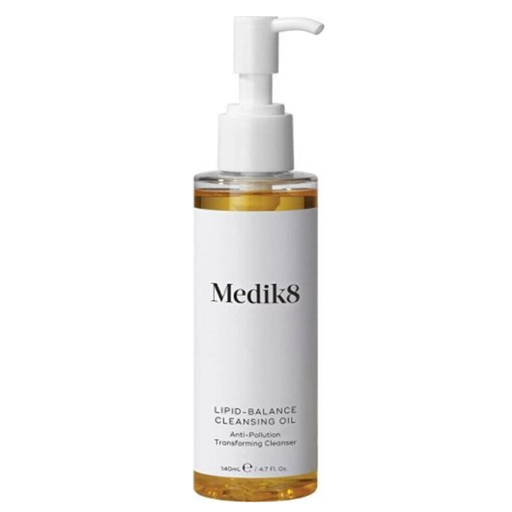
Why this product matches the profile: According to the stated formulation, the combination of apricot kernel, jojoba and olive oils will appeal to users looking for a richer oil phase in a cleansing oil for dry skin.
The description mentions a lightweight oil texture and emulsification with lukewarm water. This makes it possible to assess the cleansing performance before purchase based on specific application steps.
140 ml of product, plus vitamin E and moringa extract according to the product information; described as suitable for all skin types and particularly dry skin.
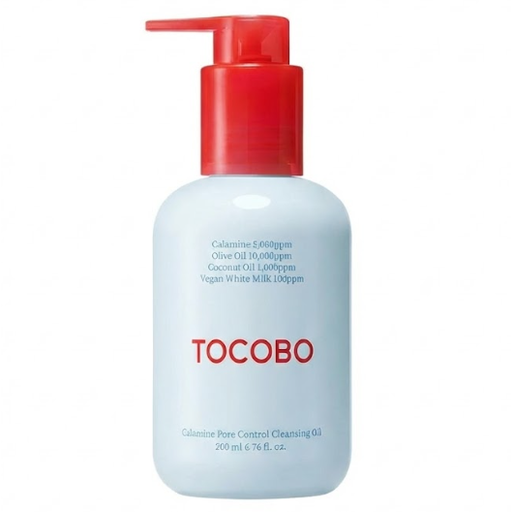
Why this product matches the profile: The product information focuses on excess sebum, waterproof make-up and a lightweight texture. This suits frequent users who regularly apply sun cream or make-up.
The stated fast emulsification makes rinsing easier. However, if you have sensitive skin, you should still check the complete ingredients list because individual tolerance varies.
200 ml of product, calamine according to the product description and an emulsion with water without an explicitly described heavy feel on the skin.
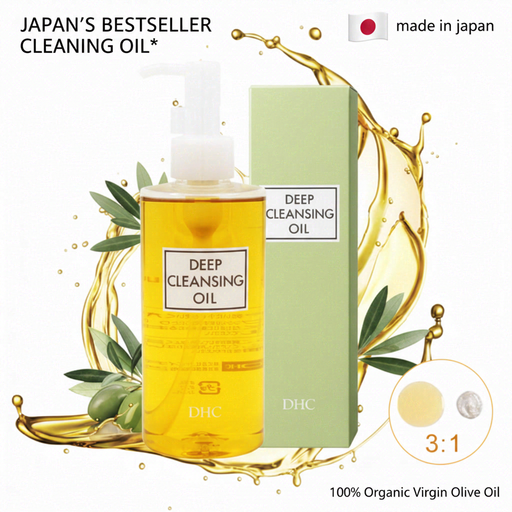
Why this product matches the profile: If you are looking for a Japanese cleansing oil for daily make-up and sun cream, this 200 ml option offers a clearly described oil-to-milk application step.
The instructions recommend massaging for 30 to 60 seconds, followed by emulsification. This helps you avoid vigorous rubbing when removing make-up.
Olive oil and vitamin E according to the product information; described as suitable for waterproof make-up and as the first step in double cleansing.
We have put together a complete, regularly updated list of products that fully meet these strict selection criteria and the safety regulations applicable in the EU.
The oil is usually applied to dry hands and a dry face. It is then spread gently until make-up and residue dissolve. Add a little water to emulsify the product, then rinse thoroughly with lukewarm water. Always follow the individual manufacturer’s instructions.
Cleansing oil can also be used on oily skin. A lightweight texture, good emulsification and thorough rinsing are key. Individual tolerance depends on the entire formulation, not simply on the fact that the product is an oil.
The period-after-opening symbol, best-before date and information on the packaging are the key references. Pump dispensers should be kept clean and the product should not be diluted with water. If the smell, appearance or way it feels on the skin changes, stop using the product.