
Lieferung heute & morgen

Qualitätsgarantie

Willkommens-Angebote freischalten: KOSTENLOSE Lieferung | Bis zu 80 % RABATT | Kostenlose 30-Tage-JoyPlus-Testphase
App herunterladen
A facial cleansing oil can dissolve waterproof make-up, sun cream and excess sebum without the need for vigorous rubbing. However, not every cleansing oil suits every routine. Some formulas do not spread well on wet skin, while others contain fragrances or plant oils that people with sensitive skin should take into account. A high price alone also says little about how a product is used, its ingredients or how it feels on the skin.
As a Joybuy Product Recommendation Officer, I therefore filter the relevant product data and categorise it according to practical user profiles. This helps avoid common buying mistakes when choosing cleansing oil or a Korean cleansing balm.
Terms such as deep facial cleansing, “Zero Pores” or “pore care” usually describe the removal of make-up residue, sebum and dirt from the skin’s surface or around the pore opening. They are not reliable proof that a product will permanently prevent blocked pores or treat skin problems.
Actual use is what matters. The oil should emulsify sufficiently and rinse off with water. Applying too much pressure or massaging for too long, on the other hand, can place unnecessary strain on the skin.
Many cleansing oils are traditionally applied to dry skin. Only afterwards are a few drops of water added, allowing the oil to turn into a milky emulsion. According to the manufacturer’s instructions, some products are also suitable for wet hands or a wet face.
If you use a classic oil directly in the shower, this can alter its cleansing performance and the amount required. The instructions on the packaging and product page should therefore take precedence over general social media advice.
Plant oils, essential oils and fragrances may be pleasant for many people, but they are not automatically suitable for every skin type. Preservatives such as phenoxyethanol are also widely used in cosmetics, but people with known sensitivities should take them into account.
Before using the product for the first time, testing it on a small area of skin is recommended. If you experience burning, redness or any other reaction, rinse off the product and stop using it. A facial cleansing oil is intended for external use only and must not get into the eyes.
A suitable cleansing oil should spread evenly when it comes into contact with water and then rinse off easily. Look for terms such as emulsifying, “water-soluble” or specific instructions for use. A greasy film left after rinsing may feel unpleasant for some people and make the second cleansing step more difficult.
With a Korean cleansing balm, the solid texture typically first transforms into an oil. Here too, it is important to check whether the balm emulsifies fully with water and whether a cloth is recommended.
For oily skin, a product that rinses off easily and requires only a short massage may be a sensible choice. For dry or sensitive skin, a gentle approach and a manageable list of ingredients are often more practical. Fragrances such as orange or rosemary oil can affect the user experience, but they are not essential to the cleansing function.
Also check whether the product contains alcohol, mineral oil, essential oils or any known personal allergens. The current INCI list on the packaging is authoritative, as formulations can change.
For eye make-up, the oil should first be applied carefully to the closed eye area. Do not rub, and rinse immediately with water if the product gets into your eyes. With strongly adhering make-up, leaving the oil on briefly may help without placing mechanical strain on the skin.
With double cleansing, an oil-based product is followed by a water-based cleanser. This second step is not essential for every skin type or every use, but it can be helpful after heavy make-up or waterproof sun cream. What matters is that your skin feels clean after cleansing, but not uncomfortably tight.
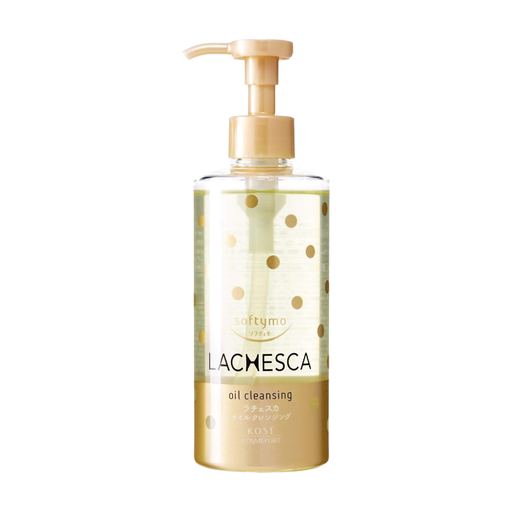
Why this product suits the profile: According to the product information, this Japanese cleansing oil is designed for waterproof make-up, excess sebum and pore-related residue. The manufacturer states that it can be used with wet hands.
Its possible use on wet skin helps avoid a common misunderstanding when cleansing in the shower. The product information also states that it has an alcohol-free, paraben-free formula.
230 ml bottle, suitable for use on dry or wet skin according to the product description, with a fresh orange fragrance.
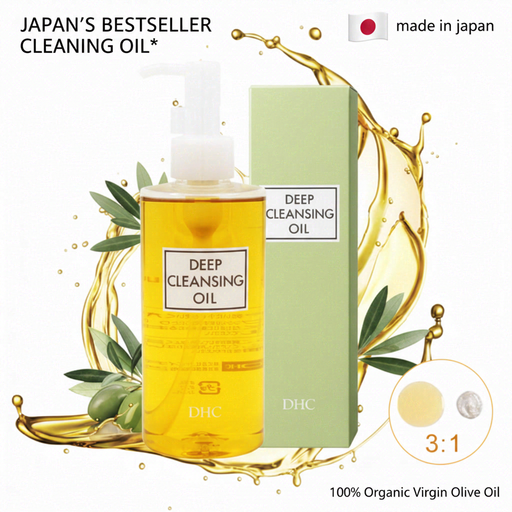
Why this product suits the profile: According to the product description, the formula contains olive oil, vitamin E and rosemary oil. It is designed to be used on dry hands and dry skin, followed by emulsification with water.
The clear sequence of applying it dry, adding water and rinsing helps prevent the common mistake of using it on wet skin. The INCI list is provided on the product page.
200 ml contents, pump application and a water-soluble emulsion according to the product information.
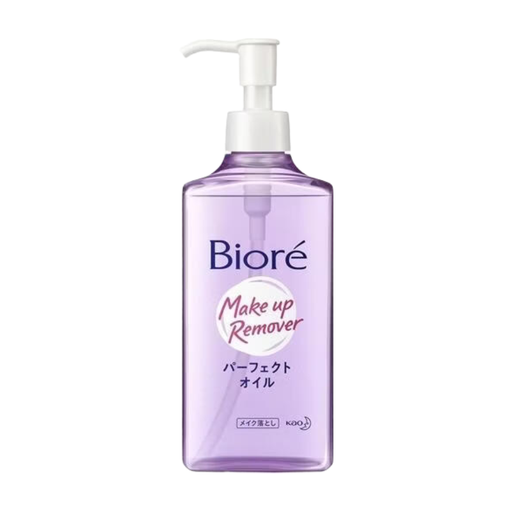
Why this product suits the profile: According to the product description, this make-up remover oil is designed for wet hands and a wet face. This may appeal to people who regularly incorporate cleansing into their shower routine.
The product description explicitly states that it can be used on wet skin. This avoids applying instructions intended only for dry skin to this particular routine.
230 ml contents and a recommended dosage of four pumps according to the product description; a fruity fragrance as a product feature.
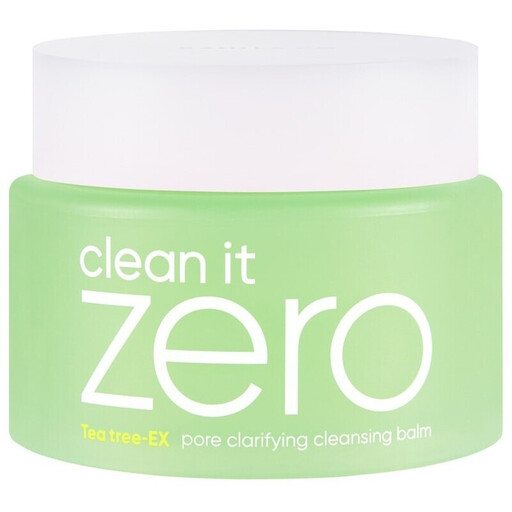
Why this product suits the profile: According to the product description, the solid balm transforms into an oil when applied. It is aimed at people who prefer a compact alternative to liquid facial cleansing oil.
The recommended sequence is: spread over dry skin, emulsify with water and then rinse off. This prevents it from being confused with a cleanser designed for direct use on wet skin.
180 ml contents, solid starting texture and INCI information listing jojoba oil, salicylic acid and capryloyl salicylic acid according to the product description.
We have put together a complete, regularly updated list of products that fully meet these strict selection criteria and the safety regulations applicable in the EU.
That depends on the formula. According to the respective product information, products such as KOSE SOFTYMO LACHESCA and Biore Deep Cleansing Oil are also suitable for wet hands or wet skin. DHC and many classic cleansing oils, by contrast, are first applied to dry skin. The product-specific instructions are decisive.
In principle, cleansing oil can also be used on oily skin, as it dissolves make-up, sun cream and oil-soluble residue. Choose a product that emulsifies and rinses off easily. A long massage or very frequent double cleansing is not automatically necessary.
The best-before date, batch information and PAO symbol on the packaging are the deciding factors. This information may vary depending on the product and batch. Keep the oil closed, dry and protected from direct sunlight. If its smell, appearance or skin feel changes, stop using it.