
Lieferung heute & morgen

Qualitätsgarantie

Willkommens-Angebote freischalten: KOSTENLOSE Lieferung | Bis zu 80 % RABATT | Kostenlose 30-Tage-JoyPlus-Testphase
App herunterladen
Facial cleansing pads may seem straightforward at first glance: take out a pad, wipe it over your face and you’re done. In practice, however, facial cleansing pads vary considerably in terms of material, active ingredient concentration, moisture content and application. If you choose solely based on pack size or marketing claims such as “glow” and “pore care”, you may end up buying a product that is not suitable for your skin or intended purpose.
Not every pad is designed for the same purpose. Make-up remover pads and make-up remover wipes are usually soaked in a cleansing solution. Toner pads, on the other hand, are used after cleansing the face and often remain on the skin. Facial exfoliating pads often contain acids or enzymes and are therefore not automatically suitable for use several times a day.
Checking the intended purpose, application instructions and complete INCI list can help prevent unsuitable purchases. When removing waterproof eye make-up, do not rub the pad vigorously. Instead, place the soaked wipe over closed eyes for a few seconds, then gently wipe away.
Vitamin C pads, AHA-BHA-PHA pads and retinol pads are designed to address different skincare goals. However, the name alone says little about concentration, pH value or skin tolerance. Fruit acids such as glycolic acid and lactic acid can exfoliate the skin’s surface, while salicylic acid is often used in formulations for blemished or oily skin. These details describe the product’s composition; they are not a guarantee of a particular result.
For sensitive skin, pads for sensitive skin with gentler formulations and as few potentially irritating additives as possible may be worth considering. Fragrances, alcohol or several active ingredients in one product may not be tolerated by everyone.
A jar containing 70 or 100 pads may initially appear to offer better value. However, what matters is how often the product is intended to be used and whether it is adequately protected from drying out once opened. Disposable facial wipes also involve more packaging and waste. For travelling, though, disposable facial wipes may still be more practical than a damp flannel or an additional cleansing bottle.
Cotton, viscose and plant-based non-woven fabrics differ in absorbency, tear resistance and fibre shedding. A smooth pad is generally more suitable for applying toner or essence. An embossed side can make wiping easier, but should be used without applying heavy pressure. For sensitive skin, a soft, lint-free surface is preferable.
Size also matters: pads measuring around 200 × 200 mm cover a large area of the face and can save time when removing make-up. Smaller cotton pads are easier to handle around the eyes, for targeted application or when you want to use less product.
Check whether the product consists of pure facial cleansing pads, toner pads or exfoliating pads. With AHA, BHA or PHA products, follow the recommended frequency of use and warnings on the packaging. Avoid combining several highly active products in the same routine without careful consideration.
Product information for AHA-containing products often includes a warning about increased sensitivity to light. Suitable sun protection during the day should therefore form part of the recommended routine. Retinol-containing products are generally used in the evening. During pregnancy or breastfeeding, users should check the relevant INCI list and the manufacturer’s guidance and seek medical advice if they are unsure.
A tightly closing lid helps prevent the pads from drying out. Always take out just one pad and close the packaging immediately afterwards. For daily use, 50 to 70 pads may be sufficient; frequent users or households with several people may prefer larger packs. The price per pad is more meaningful than the total price.
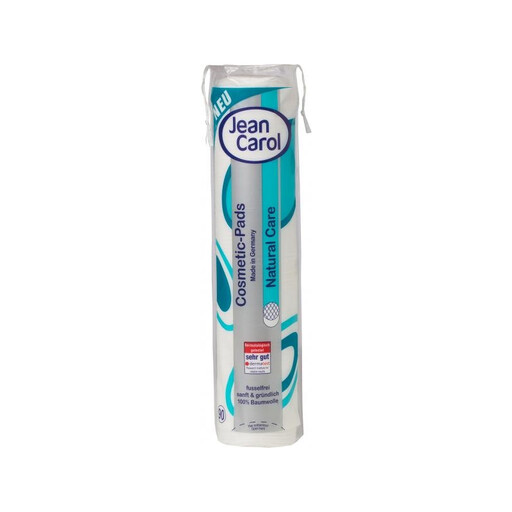
Why this product suits the profile: The 90 cotton pads are suitable for simple daily cleansing, make-up removal and toner application, without requiring an additional active ingredient step.
Its clearly defined function as a cotton pad reduces the risk of confusing it with exfoliating or active ingredient pads.
100% cotton, 90 pieces and, according to the product description, suitable for toner and make-up removal.
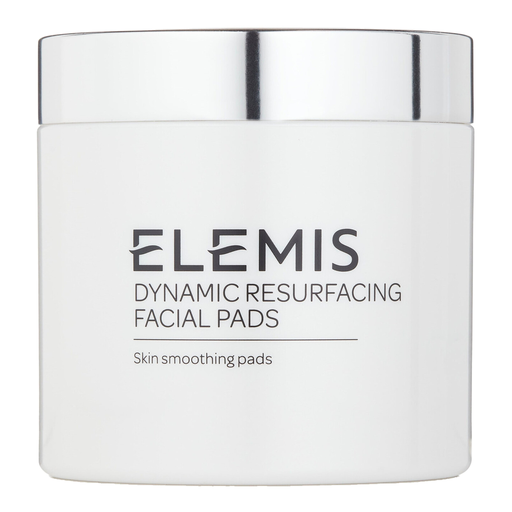
Why this product suits the profile: Anyone looking to add a structured exfoliating product to their routine will find pads containing lactic acid and enzymes, together with a textured surface.
The product information lists the ingredients, states that no rinsing is required and highlights the need for sun protection when using AHA products.
60 pads, lactic acid, enzymes and a textured pad side for a clearly defined application.
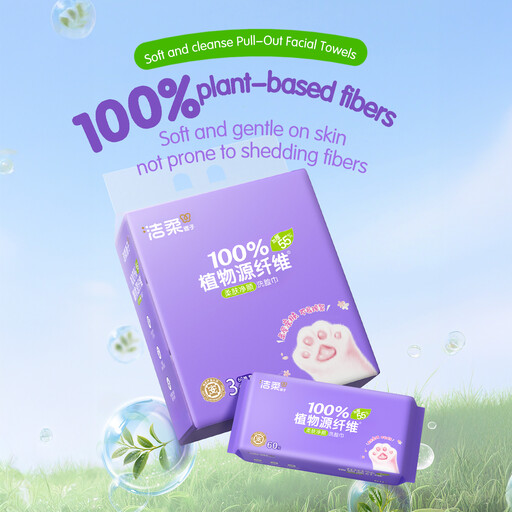
Why this product suits the profile: Three packs containing a total of 180 disposable facial towels are ideal for travelling, the gym, guest accommodation or a daily routine without a damp flannel.
The sheet size of 200 × 200 mm and the “lint-free” description help you choose based on practical material criteria rather than marketing terms.
Plant-based non-woven fibres, 180 towels in total and dry storage in resealable packaging.
We have put together a complete, regularly updated list of products that fully meet these strict selection criteria and the safety regulations applicable in the EU.
That depends on the type of product. Pure cotton pads or gentle cleansing wipes may be designed for daily cleansing. Pads containing AHA, BHA, PHA or retinol should be used according to the manufacturer’s instructions. The INCI list and the usage guidance on the packaging are the key points to follow.
The specific best-before date and batch information are shown on the packaging. Once opened, damp pads should be used within the stated period. If they dry out, their smell or colour changes, or they cause a skin reaction, they should no longer be used.
There is no one-size-fits-all answer. An unperfumed, soft facial wipe without active acids may be a simple option. Toner pads may contain additional ingredients such as PHA, panthenol or plant extracts and should be selected by checking the complete ingredients list. Before using them for the first time, a small patch test on an inconspicuous area of skin is advisable.