
Lieferung heute & morgen

Qualitätsgarantie

Willkommens-Angebote freischalten: KOSTENLOSE Lieferung | Bis zu 80 % RABATT | Kostenlose 30-Tage-JoyPlus-Testphase
App herunterladen
Facial cleansing pads can simplify your daily skincare routine. They help you apply toner, remove make-up and target your skincare with acids and other active ingredients. However, facial pads vary considerably in terms of material, surface texture, saturation and application.
If you focus only on bold product claims or a high piece count, you may end up buying a product that does not suit your skin type or preferred routine. Three common pitfalls are particularly important:
Before buying, first decide what you mainly want the pads to do. Make-up removal pads and moist cleansing wipes are designed to remove make-up and dirt. Dry cotton pads are better suited to applying toner, facial toner or liquid skincare products.
Toner pads are already soaked in liquid and are used after cleansing. Exfoliating pads and AHA-BHA-PHA pads also contain chemical exfoliating ingredients. These products should be used according to the manufacturer’s instructions and are not automatically suitable for daily use.
For a simple routine without active acids, classic facial skincare pads made from cotton or microfibre may be sufficient. If you are often out and about, you may prefer disposable products. At home, reusable face cloths or washable pads can reduce packaging waste, but they require thorough cleaning and complete drying after every use.
A pad should feel even and release as few fibres as possible when wiping. 100% cotton is a clear material specification, while microfibre can also feel comfortable on the skin thanks to its smooth, compact structure.
For dry, disposable facial cloths, absorbency, tear resistance and size are also important. A format of around 200 × 200 millimetres provides broad coverage across the face. Smaller pads, on the other hand, offer greater precision when applying toner or removing eye make-up.
An embossed side can help distribute more liquid when applying an exfoliating or toner product. However, this should not be taken as an invitation to apply strong pressure. A smooth side is often better suited to sensitive areas or gently spreading any remaining skincare liquid.
For facial pads for sensitive skin, soft materials that are as lint-free as possible and gentle application are advisable. Avoid using them on redness, open areas or already irritated skin.
For vitamin C pads, retinol pads and AHA, BHA and PHA products, it is worth checking the complete INCI list. The advertised active ingredient is not the only relevant factor. Fragrances, alcohol, preservatives and combinations of several acids also matter.
Products containing AHA can increase the skin’s sensitivity to light. That is why a suitable sunscreen should form part of your daytime routine. Products containing retinol are generally used in the evening. When introducing new active ingredients, it is advisable to test the product on a small area of skin first. Always follow the information on the current packaging, as formulations may change.
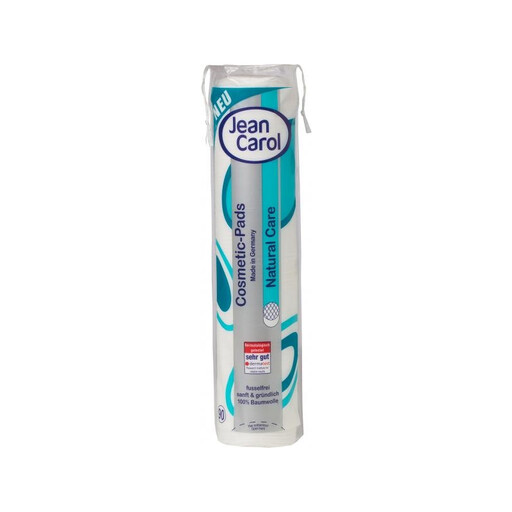
Why this product suits this profile: The pack of 90 pads is designed for classic uses such as removing make-up and applying toner. According to the product information, the pads are made from 100% cotton and manufactured in Germany.
The material specification is clearer than a purely promotional description. As no active acids are advertised, the product is straightforward to use and easy to incorporate into a basic routine.
90 pads, 100% cotton according to the product information, suitable for liquid skincare products and cleansing.
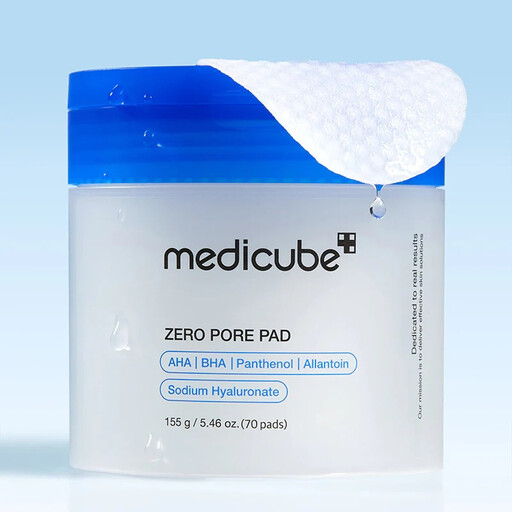
Why this product suits this profile: According to the product information, this product combines an embossed side with a smooth side. It contains PHA and is intended for users who prefer a structured approach to pore cleansing.
The two surfaces help ensure that every application does not involve the same level of friction. The product information specifies PHA rather than stronger acids and recommends use after cleansing.
70 pads, a PHA formulation according to the product information, plus a combination of an embossed and smooth pad side.
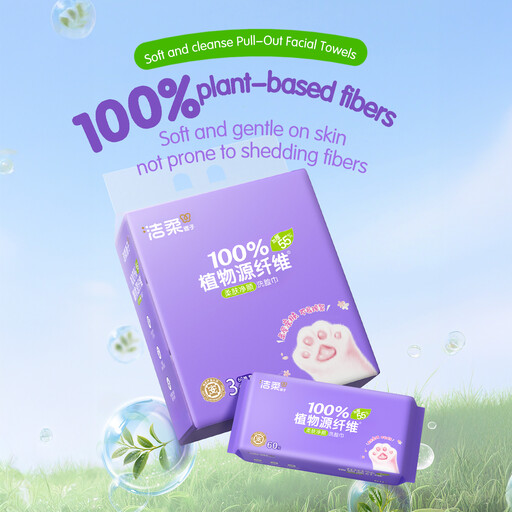
Why this product suits this profile: According to the product information, the set contains three packs of 60 towels each. Measuring 200 × 200 millimetres, the towels are designed for dry or wet use.
The clear information about the total quantity and size makes it easier to plan costs. The towels are designed for single use and should not be disposed of down the toilet.
180 towels in total, plant-based non-woven fibres according to the product information, and a large format for facial skincare or use on the go.
We have put together a complete, regularly updated list of products that fully meet these strict selection criteria and the safety regulations applicable in the EU.
For dry cotton pads, a small amount of toner or micellar water is usually sufficient. The pad should not be soaking wet, as this helps reduce product waste. When removing eye make-up, it may be better to place the pad on closed eyes for a few moments rather than rubbing vigorously.
For pre-soaked facial pads:
That depends on the type of product. Cotton pads without active ingredients can form part of a daily routine when used gently. AHA, BHA, PHA, vitamin C and retinol pads, on the other hand, should be used according to the relevant manufacturer’s instructions. Suitable frequency and tolerance can vary from person to person.
Dry cotton and non-woven towels generally have different storage requirements from pre-soaked toner pads. For moist products, the expiry date, batch number and, where applicable, the period after opening shown on the packaging are important. Storing products in a dry, sealed place away from direct sunlight helps maintain their quality.
Do not compare only the pack price. Also consider the price per pad, the number of pads needed per application and whether additional cleansing liquid is required. A larger set may be more economical if you use pads frequently; pre-soaked pads, however, offer quick application without the need for a separate product.