
Lieferung heute & morgen

Qualitätsgarantie

Willkommens-Angebote freischalten: KOSTENLOSE Lieferung | Bis zu 80 % RABATT | Kostenlose 30-Tage-JoyPlus-Testphase
App herunterladen
Facial cleansing and skincare are part of many people’s daily routines. Yet buying the wrong products can lead to unnecessary expense: you might choose something for a headline ingredient, only to find it doesn’t suit your skin or feel comfortable to use. That’s why it’s worth checking the full product description, especially for facial cleansing oils, make-up removers, facial scrubs and mattifying face creams.
Terms such as niacinamide, salicylic acid and “AHA+BHA” simply describe ingredients. They don’t automatically tell you whether a product is suitable for daily use. What matters is the full formulation, how often you use it and how it feels on your skin.
For example, salicylic acid skincare may appeal to people with oily or blemish-prone skin. However, if your skin is sensitive or already irritated, use it with care and follow the manufacturer’s instructions.
A cleanser should remove make-up, sun protection and excess sebum without staying on your skin for too long. Vigorous rubbing or exfoliating too often can put a strain on your skin barrier. And just because a product leaves your skin feeling particularly “squeaky clean” after rinsing doesn’t mean it’s the right choice for you.
If you wear waterproof make-up every day, you’ll need different qualities from someone who only wants to remove light everyday grime. A nourishing, replenishing texture may suit dry skin, while people with oily skin often prefer lighter formulations that aren’t too rich. It’s also important to distinguish between products for the face and body: a body scrub isn’t automatically suitable for your face.
A facial cleansing oil should mix easily with water to form a milky emulsion. This can make it easier to rinse off and, ideally, help prevent a strong oily feel. For make-up removers, check whether the instructions say to apply the product to dry or damp skin.
The double-cleansing routine usually involves two steps:
You don’t necessarily need to follow this routine every day. It can be particularly useful in the evening when you need to remove several layers of make-up or sun protection.
When choosing a mattifying face cream with niacinamide, don’t just look at the product name. The full ingredients list shows what else is in the formula. Garnier’s “Pure Active Mattifying Air Cream Niacinamide + Salicylic Acid” lists niacinamide, salicylic acid, glycerin, silica and fragrance, among other ingredients. The formula also contains alcohol denat.; if you have sensitive skin, bear this in mind when choosing a product.
Ingredients can change, so always check the current packaging before buying, particularly if you have any sensitivities. If the product gets into your eyes, follow the manufacturer’s safety advice.
A facial scrub may contain physical particles, acids or a combination of exfoliating methods. Follow the product instructions on how often to use it. For example, the MÁDARA Oil-to-Milk Scrub is described as suitable for use two to three times a week. According to the product information, the Kneipp Nourishing Cream Scrub is intended for areas of the body such as elbows, knees and heels, so don’t assume it’s suitable for your face.
Stop using a product if you experience redness, stinging, itching or swelling. Don’t use scrubs on broken or already irritated skin.
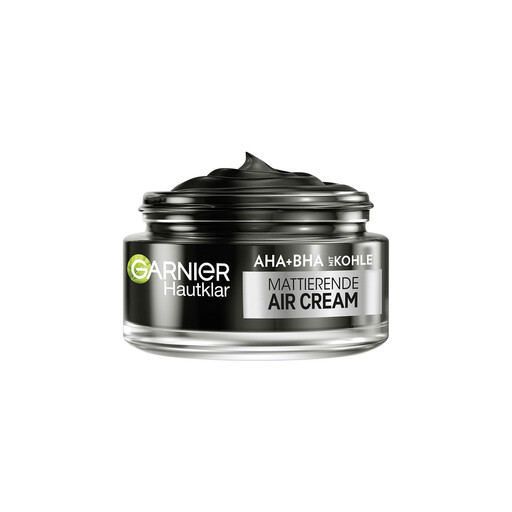
Why it suits this profile: The lightweight gel texture combines moisturising care with a formula containing niacinamide and salicylic acid. The 50-ml size is a straightforward way to try a simple skincare routine.
The product description names specific ingredients and a gel texture rather than relying solely on a vague “deep cleansing” claim.
Niacinamide, salicylic acid and glycerin are listed in the ingredients; the directions warn against contact with the eyes.
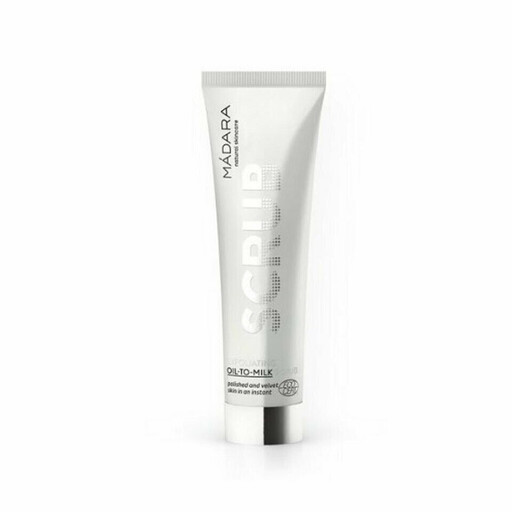
Why it suits this profile: Its oil-to-milk texture and directions to apply it to dry skin will appeal if you care about how a product feels, how much to use and clear instructions.
The product information recommends using it two to three times a week and flags the presence of fragrance allergens.
Volcanic sand, apricot kernel oil and oat oil are listed in the ingredients; the texture changes when it comes into contact with water.
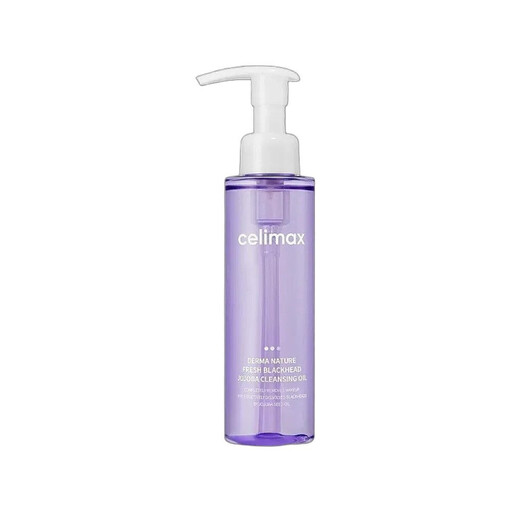
Why it suits this profile: This cleansing oil is described as suitable for removing make-up, sun protection and oily residue. It can be used as the first step in a double-cleansing routine.
The instructions explain how to emulsify the oil with water and recommend following up with a water-based cleanser, rather than making a vague promise about cleansing pores.
150 ml size, with jojoba oil and meadowfoam seed oil; the product description says it rinses off easily.
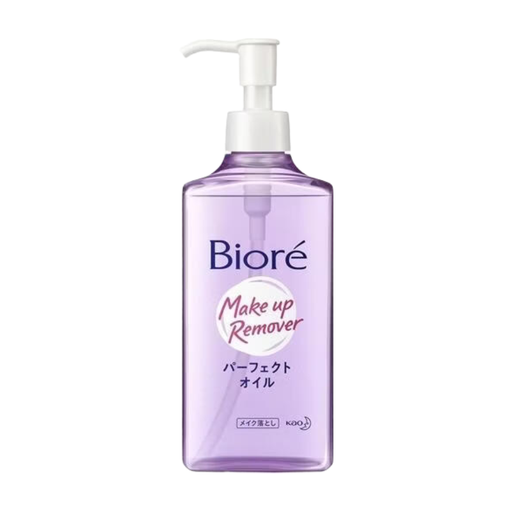
Why it suits this profile: According to the product description, you can use the oil on damp hands and a damp face. It’s designed to remove long-wear make-up.
The directions give a specific amount to use: four pumps. This takes the guesswork out of using it every day.
230 ml size; according to the product information, it’s suitable for dissolving waterproof make-up and is described as leaving no heavy, greasy feel on the skin.
We’ve put together a complete, regularly updated list of products that meet these strict selection criteria and the safety regulations in force in the EU.
For many routines, cleansing once in the evening is enough. If you’ve been sweating heavily or wearing make-up, a more thorough cleanse may be useful. Washing too often or rubbing your skin vigorously can put unnecessary strain on it.
No. Double cleansing is an optional routine, particularly for removing make-up, sun protection and oily residue. If you only use light skincare products, a single gentle cleanser may be enough.
Check the best-before date or the period-after-opening symbol on the packaging. Store products in a dry place, with the lids firmly closed and away from direct sunlight. If a product changes colour, smell or consistency, stop using it.