
Lieferung heute & morgen

Qualitätsgarantie

Willkommens-Angebote freischalten: KOSTENLOSE Lieferung | Bis zu 80 % RABATT | Kostenlose 30-Tage-JoyPlus-Testphase
App herunterladen
A facial cream for acne should provide moisture without putting unnecessary strain on the skin. At the same time, blemished, oily and sensitive skin can differ considerably. A rich cream may feel uncomfortable on oily skin, while an acne cream containing a high concentration of acids may irritate sensitive skin.
Those who focus only on terms such as “anti-blemish” or “clarifying” often overlook important details. The following criteria can help you assess marketing claims objectively and choose a facial cream for blemished skin based on your skin type and how you intend to use it.
Salicylic acid, niacinamide, AHA, PHA and Centella asiatica are often prominently advertised. However, the complete INCI list is what really matters. Fragrances, essential oils, rich oils or several exfoliating acids may also be relevant for sensitive skin.
A non-comedogenic facial cream should be labelled accordingly. If no such information is provided, the ingredients list alone cannot reliably predict how an individual's skin will react.
An oil-free moisturiser for blemished skin may have a lightweight texture but still contain salicylic acid, tea tree oil or fragrance. These ingredients are not necessarily unsuitable, but they should be introduced carefully if your skin is sensitive or already irritated.
AHA and BHA products can affect the skin's surface and the appearance of clogged pores. However, using them too often can cause tightness, redness or flaking. A cream containing 15% glycolic acid, for example, is an intensive evening treatment and should not be equated with a simple daily moisturiser.
A soothing facial cream is not a substitute for medical treatment. If you experience painful, recurring or severely inflamed skin changes, you should seek dermatological advice.
Salicylic acid is used in many formulations for blemished skin. When using it, always follow the manufacturer's instructions. Niacinamide, glycerin, panthenol and Centella ingredients are often found in skincare products focused on hydration and skin comfort.
AHA, such as glycolic acid, can make the skin more sensitive to sunlight. When using acid-based products, suitable sun protection is particularly important during the day. If you experience burning, persistent redness or severe flaking, reduce or discontinue use.
A cream for blemish-prone skin should be applied sparingly to clean, dry skin. It is best to test new products on a small area of skin first. Avoid introducing several potent active products at the same time.
You should also check for:
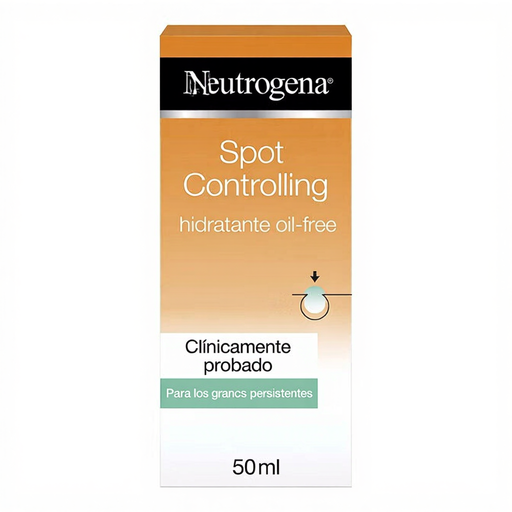
Why this product suits the profile: The oil-free formulation will appeal to shoppers looking for straightforward daily skincare with a lighter feel on the skin.
The product details specify an oil-free texture along with salicylic acid and zinc PCA. Because it contains salicylic acid and fragrance, those with sensitive skin should start by testing it on a small area.
50 ml content, glycerin and niacinamide in the INCI list, plus morning and evening use according to the product description.
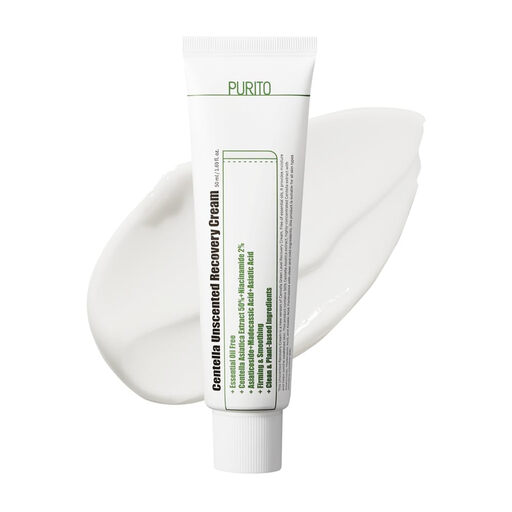
Why this product suits the profile: The fragrance-free formulation will appeal to people who prefer a limited selection of fragrance ingredients in their facial cream for blemished skin.
The product description explicitly states that the formulation is fragrance-free. Even so, Centella, niacinamide and the other ingredients should be checked against the packaging.
Centella asiatica, niacinamide, ceramide NP and squalane are listed in the product details; the cream is intended for daily use.
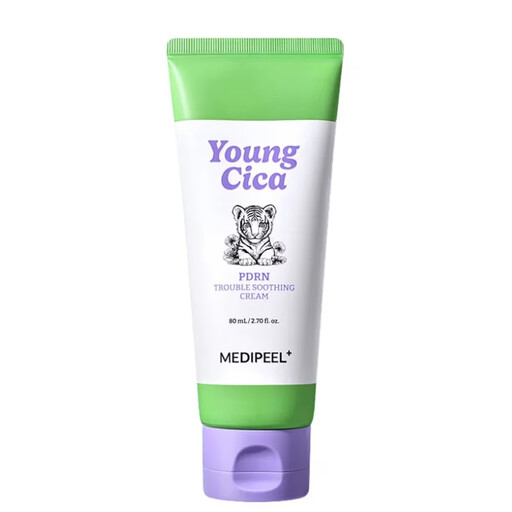
Why this product suits the profile: Its 80 ml content and described lightweight texture make it suitable for users who prefer a larger daily skincare product.
The formulation combines moisturising ingredients such as squalane and panthenol with niacinamide. It also contains capryloyl salicylic acid and gluconolactone, so gradual introduction is advisable.
80 ml content, Centella ingredients, niacinamide, squalane and panthenol according to the stated INCI list.
For an intensive evening treatment with a clearly stated acid concentration, the Martiderm Pro-Reg 15 Cream 50ml is another option. The product details state 15% glycolic acid (AHA). It should therefore not be equated with a simple moisturiser. The manufacturer advises evening use, avoiding contact with the eyes and taking extra care with sun protection.
We have put together a complete, regularly updated list of products that fully meet these strict selection criteria and the safety regulations applicable in the EU.
Start with a gentle cleanser and pat your face dry carefully. Then apply a small amount of cream. When using acid-based products, it is sensible not to begin with daily application. In the morning, you should also apply sun protection if the manufacturer recommends it or if the formulation contains exfoliating acids.
Avoid introducing several new products at the same time. This makes it easier to identify which formulation your skin tolerates. A cream for skin blemishes should not be applied to open wounds or severely irritated skin if the product information advises against it.
This depends on the ingredients and the manufacturer's instructions. A simple moisturiser can often be used in the morning and evening. When using salicylic acid or AHA, it is advisable to start slowly and apply it less frequently. If irritation occurs, stop using the product temporarily.
The printed best-before date and the PAO symbol, such as “12M”, are the key points to check. The cream should be stored tightly closed, in a cool place and away from direct sunlight. If its smell, colour or consistency changes, it should not be used any further.
The country of origin alone says nothing about how well a product will be tolerated. A Korean acne cream may also contain acids, tea tree extracts, fragrances or other potentially irritating ingredients. What matters is the current ingredients list, the usage instructions and a careful patch test.