
Lieferung heute & morgen

Qualitätsgarantie

Willkommens-Angebote freischalten: KOSTENLOSE Lieferung | Bis zu 80 % RABATT | Kostenlose 30-Tage-JoyPlus-Testphase
App herunterladen
A facial cream should provide moisture, spread comfortably and fit into your skincare routine. However, claims such as “repair”, “anti-ageing” or “48-hour hydration” do not automatically lead to the right choice. The key factors are the ingredients, texture, application and skin compatibility.
This Joybuy Product Recommendation Officer buying guide explains what women and men in Germany should look for when buying facial cream – from facial moisturiser to retinol cream.
A long list of plant extracts, peptides or vitamins may sound appealing, but on its own it says little about how well a product will suit your skin. Sensitive skin can, for example, react to fragrances, essential oils or certain botanical ingredients. A facial cream for sensitive skin should therefore have a relatively straightforward formula and be tested before being applied over larger areas.
Moisture and lipids perform different roles. Glycerin and hyaluronic acid bind water, while squalane, shea butter and plant oils can help make the skin’s surface feel smoother and more supple. A very rich cream is not suitable for every face. A lightweight gel cream may feel more comfortable on combination skin, while dry skin often benefits from a richer texture.
An anti-ageing cream can improve how the skin feels and help support the visible appearance of fine lines. However, claims relating to wrinkles, elasticity or “rejuvenation” depend on the product and how it is used. With retinol cream, it is also important to introduce it gradually, use careful sun protection and follow the manufacturer’s instructions.
Ingredients are generally listed in descending order of quantity. Ceramides, such as Ceramide NP, may form part of a ceramide cream. Cholesterol, phytosphingosine and lecithin are also used in formulas designed to support the lipid content of the skin’s surface.
For sensitive skin, it is worth checking for Parfum, Limonene, Linalool or essential oils. The formula may change depending on the production batch or market. Always check the current packaging before buying.
A 20-ml tube is practical for trying a product, but it will not last as long as a 50- or 100-ml jar. Tubes often allow for more hygienic dispensing; with jars, your hands should be clean. For everyday use in heated rooms, an intensive moisturiser may be useful, while a lighter texture can be preferable in summer or under make-up.
Retinol products are usually introduced into a routine gradually. Do not use several high-strength active products at the same time if you do not yet know how your skin will react.
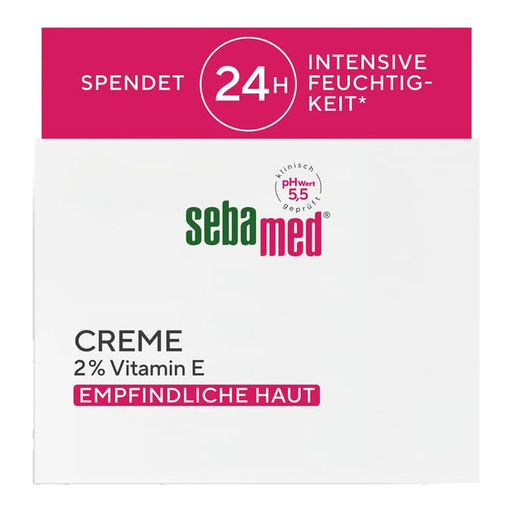
Why it’s suitable: The 75-ml size is ideal for straightforward daily facial skincare. According to the product description, the cream contains 2% vitamin E and is formulated to a pH value of 5.5.
The straightforward product positioning makes it easier to get started without having to combine several active products. However, the current INCI list should still be checked.
75 ml content, glycerin and a vitamin E derivative; according to the supplier, free from silicones, PEG and microplastics.
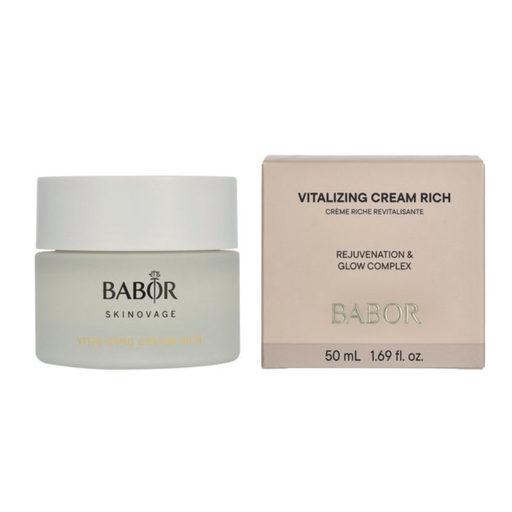
Why it’s suitable: The rich texture is aimed at people who prefer nourishing skincare for dry or more mature skin.
The focus on a rich cream makes the texture clearer before purchase. If you are sensitive to fragrance, note that the formula contains Parfum.
The stated INCI list includes shea butter, glycerin, plant oils and panthenol.
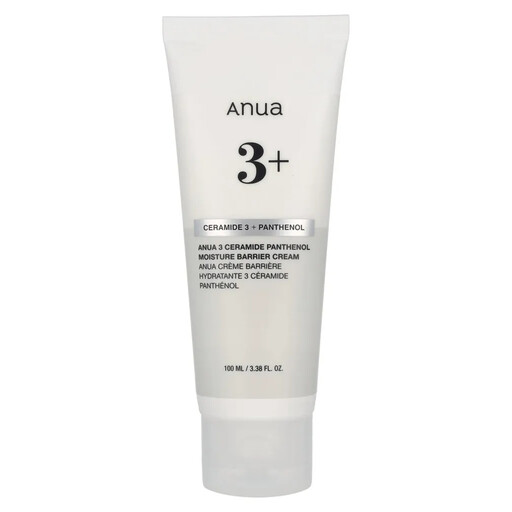
Why it’s suitable: If you are looking for a ceramide cream for dry, sensitive or normal skin, this large-size option is well suited to a daily routine.
The formula lists three types of ceramide and panthenol. A patch test is still advisable for sensitive skin, as compatibility varies from person to person.
100 ml content, Ceramides NP/AP/EOP according to the product details, plus panthenol, hyaluronic acid and squalane.
For a Korean facial cream containing ceramides and Centella asiatica ingredients, options include the SKIN1004 Madagascar Centella Probio-Cica Enrich Cream, Purito Seoul Wonder Releaf Centella Cream Unscented and Pyunkang Yul Intensive Repair Cream. If you have dry skin and prefer a rich texture, the Celimax The Real Noni Energy Repair Cream may be worth considering. The product description lists 55% noni fruit extract, 1% noni seed oil and ceramides; it also highlights the presence of rosemary oil and recommends a patch test.
For lighter skincare focused on hydration, consider the Beauty of Joseon Dynasty Cream or the Dr. Althea Reju 5000 Cream. Users interested in an anti-ageing cream can also compare the Neutrogena Retinol Boost Day Cream SPF 15 or the Beauty of Joseon Revive Firming Ginseng + Retinol Moisturizer.
For brand-specific results, the following applies: According to a clinical study by Beauty of Joseon, changes in various elasticity and wrinkle parameters were reported for the Revive formulation after four weeks in 22 people. These findings relate to the stated study and cannot be applied universally to every person.
Browse our full selection to compare facial creams by texture, skin type, ingredients and skincare focus.
A facial cream for dry skin should contain both humectants and skin-conditioning lipids. Glycerin, hyaluronic acid, squalane, shea butter and ceramides are typical ingredients. Texture and personal skin compatibility remain key.
The best-before date and the open-jar symbol showing the recommended period of use after opening on the packaging are the deciding factors. Store the cream in a dry, cool place away from direct sunlight. Changes in smell, colour or consistency indicate that it should be checked carefully or disposed of.
No. The price proves neither a particular effect nor better skin compatibility. Instead, compare the INCI list, active ingredient concentrations, pack size, application instructions and suitability for your skin type.