
Lieferung heute & morgen

Qualitätsgarantie

Willkommens-Angebote freischalten: KOSTENLOSE Lieferung | Bis zu 80 % RABATT | Kostenlose 30-Tage-JoyPlus-Testphase
App herunterladen
The right facial cream should not be selected solely by its packaging, brand name or marketing promises. Skin type, intended use and the ingredients actually included are what matter. Whether you are looking for a face moisturiser, anti-ageing cream, night cream or lightweight gel cream, the formula should suit your skincare routine and lifestyle.
A high concentration may sound convincing at first, but it is not automatically suitable for every skin type. Niacinamide, vitamin C, fruit acids and peptides can have different levels of tolerance depending on the formula. If your skin is sensitive or prone to redness, it is advisable to start gradually with a small amount of product.
A cream containing pigments, illuminating particles or a tightening skin feel can make the complexion appear more even immediately. However, this visual effect should be distinguished from longer-term skincare performance. A facial cream for fine lines should therefore not be judged solely by how the skin feels after the first application.
Even a cream marketed as universal may contain fragrance, essential oils, alcohol or chemical exfoliants. People with sensitive skin should check the complete ingredient list on the packaging. With new products, a patch test on a small area of skin is advisable. If irritation or a rash occurs, discontinue use.
For dry or mature skin, richer formulas containing glycerin, squalane, shea butter, hyaluronic acid or ceramides may be suitable. A cream for sensitive skin should ideally have a streamlined formula and, where appropriate, be fragrance-free.
A lightweight gel cream may feel more comfortable on combination or oily skin. It generally absorbs more quickly and works well under make-up. In cold, dry weather, however, a more protective texture may be the better choice.
A day cream should layer comfortably with sun protection and make-up. If it does not provide clearly stated UV protection, an additional suitable sunscreen is required.
A night cream can have a richer texture. With products containing mandelic acid, gluconolactone or other acids, use should initially be limited to a few evenings per week. Active combinations such as acids and vitamin C derivatives should not be combined in the same routine without first checking how well your skin tolerates them.
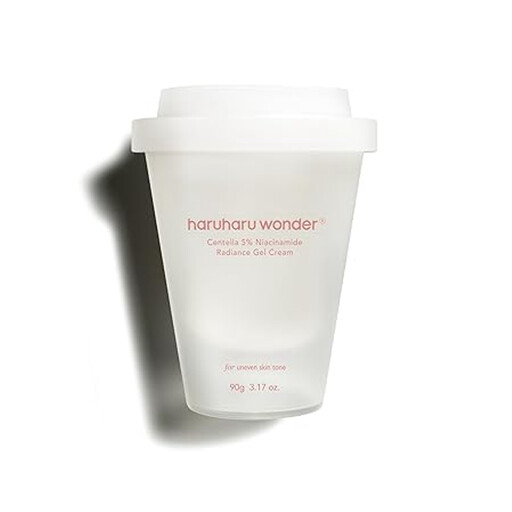
Why This Fits Their Persona: This lightweight gel cream is well suited to people looking for uncomplicated daily hydration with niacinamide who prefer to avoid a heavy texture.
The product information specifies 5% niacinamide, 3.8% Centella asiatica leaf water and 2% squalane. This makes the concentrations easier to assess than generic “glow” claims.
Fragrance-free according to the product description, lightweight gel texture, suitable for morning and evening use.
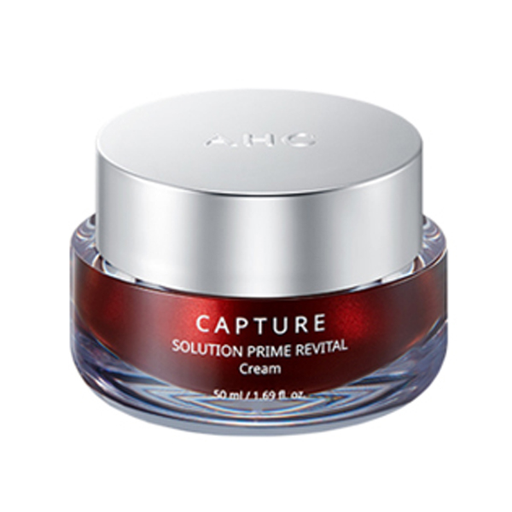
Why This Fits Their Persona: Its rich texture is aimed at people with dry or mature-looking skin who prefer nourishing overnight or evening care.
The INCI list includes glycerin, bifida ferment lysate and hydrolysed collagen, among other ingredients. Nevertheless, people with sensitive skin should first test the formula on a small area.
50 ml format, designed to be used as the final step on the face and neck, rich cream base.
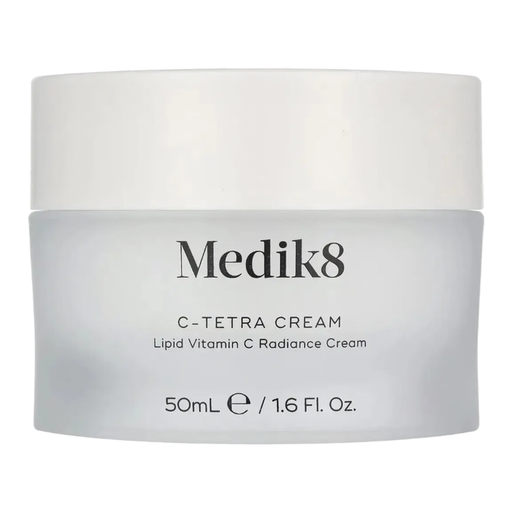
Why This Fits Their Persona: An option for those who want to incorporate a vitamin C cream into their morning routine while enjoying lightweight hydration.
The product identifies the specific vitamin C derivative tetrahexyldecyl ascorbate. It also lists essential oils and fragrance allergens that must be declared, which should be taken into account by those with sensitive skin.
Designed for morning use and also contains glycerin and sodium hyaluronate.
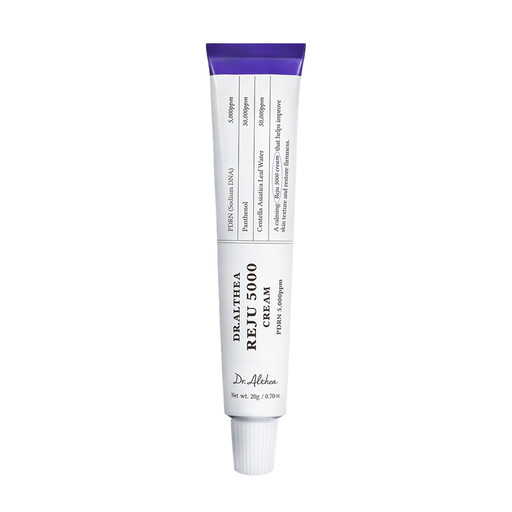
Why This Fits Their Persona: This compact cream suits those looking for a lightweight, non-sticky texture with Centella, panthenol and multiple forms of hyaluronic acid.
The product information lists specific humectants and soothing skincare ingredients such as panthenol and Centella. The ingredient list should still be checked against the packaging before purchase.
20 ml size for a controlled introduction, fast-absorbing texture according to the product description.
We have put together a current selection of products that can be compared by ingredients, application and skin concern.
Apply facial cream to cleansed skin. When using multiple skincare products, cream generally comes after serum or essence. A small amount is often sufficient; applying too much can leave the skin feeling sticky or cause the product to pill under make-up.
Store creams according to the manufacturer’s instructions, ideally in a dry place protected from direct sunlight. Check the best-before date, batch number and PAO symbol. If the product’s scent, colour or consistency changes noticeably, discontinue use.
The PAO symbol on the packaging is the key reference—for example, “12M”. It indicates the recommended period of use after opening. Actual shelf life also depends on storage conditions and hygienic dispensing.
Look for a streamlined, low-irritant formula and check for fragrance, essential oils, alcohol and acids. Even a cream designed for sensitive skin should first be tested on a small area. If skin problems persist, consult a dermatologist.
Yes, unless the facial cream provides clearly stated, sufficient UV protection. A separate broad-spectrum sunscreen is particularly advisable during the day when using products containing AHA, BHA or certain vitamin C formulations.