
Lieferung heute & morgen

Qualitätsgarantie

Willkommens-Angebote freischalten: KOSTENLOSE Lieferung | Bis zu 80 % RABATT | Kostenlose 30-Tage-JoyPlus-Testphase
App herunterladen
A facial cream for wrinkles should not be chosen based solely on packaging claims or the term “anti-ageing”. Mature skin can be dry, sensitive, uneven or prone to a weakened skin barrier at the same time. A rich cream is therefore not automatically suitable for every skin type, while a highly concentrated retinol cream may not be suitable for beginners.
The following criteria can help you distinguish marketing claims from verifiable product features and find suitable care for your own routine.
Retinol is often associated with skin that looks smoother and with the care of fine lines. However, tolerance depends on the concentration, formulation and your previous skincare routine. Anyone starting directly with a strong retinol cream risks feelings of tightness, redness or flaking, particularly with sensitive or dry skin.
For beginners, a lower concentration such as 0.1% retinol may be more suitable. More experienced users may consider products containing 0.3% pure retinol, provided their skin is already accustomed to the active ingredient.
Terms such as “lifting”, “Tox” or “rejuvenation” are often part of a product’s positioning. More meaningful are specific details about ingredients, concentrations, skin type, application and texture. Peptides, adenosine, niacinamide, ceramides and hyaluronic acid can perform different skincare functions. A cream for fine lines should therefore be assessed based on its entire formulation, not a single buzzword.
Facial creams for dry skin often contain oils, shea butter or rich lipids. This can feel pleasant on dry, mature skin, while a lightweight gel cream may be more practical for combination skin or for users in heated indoor environments. A Korean facial cream is not automatically lightweight or gentle, either. The specific INCI list and intended use remain decisive.
The concentration should be clearly stated for a retinol cream. According to the product description, The Retinol 0.1 Cream contains 0.1% retinol and is intended for users who are trying the active ingredient for the first time or using a low concentration. The Retinol 0.3 Cream, on the other hand, states 0.3% pure retinol and, according to the supplier, is aimed at more experienced users.
Retinol products are generally used in the evening. Introducing them gradually – initially on just a few evenings per week – can make your routine easier to manage. If irritation occurs, use should be paused. During the day, sunscreen with a suitable sun protection factor is an important part of your skincare routine.
A moisturising facial cream should not only bind water but also reduce moisture loss from the skin. Glycerine, hyaluronic acid and panthenol are commonly used humectants. Ceramides, squalane, shea butter and plant oils can also support lipid care.
If you want to strengthen your skin barrier, it is especially important to keep your routine manageable. Using several highly active products at the same time – such as retinol, acids and intensely fragranced skincare – can make tolerance more difficult.
A night cream for wrinkles can be richer, while a day cream should absorb more easily under make-up. If you have sensitive skin, it is worth checking for fragrance allergens such as limonene, linalool and citral, which must be declared. Essential oils may also be relevant for some people.
Retinol is sensitive to light and oxidation. Sealed, light-protective packaging and the manufacturer’s storage instructions are therefore important selection criteria. Check the expiry date and batch number on the packaging before use.
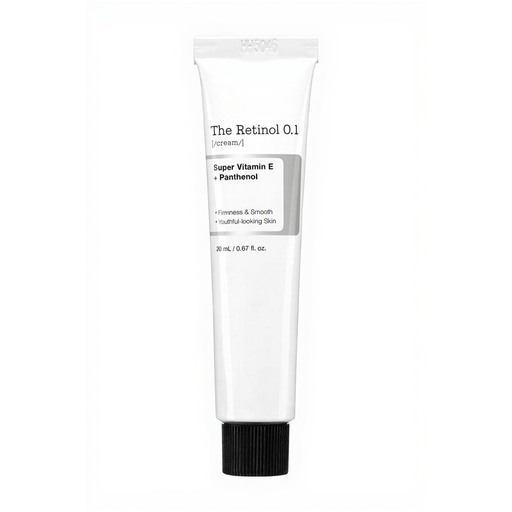
Why this product suits this profile: The stated retinol concentration of 0.1% provides a clear reference point for starting a retinol routine. Panthenol, adenosine and hyaluronic acid complement the formulation.
The concentration is stated transparently. This makes it easier to distinguish the product from those that simply make general anti-ageing claims.
0.1% retinol, several forms of hyaluronic acid and gradual application according to the product information.
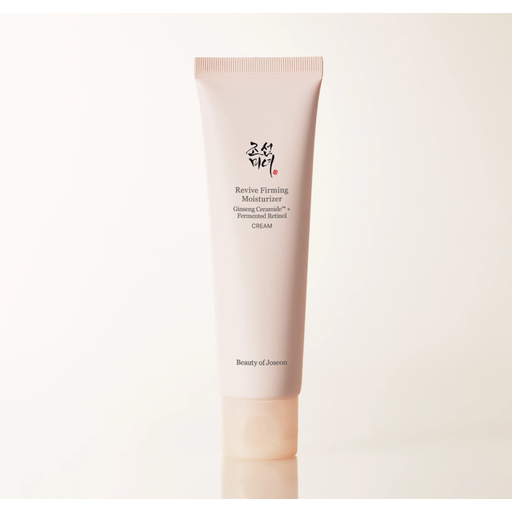
Why this product suits this profile: The gel cream combines fermented retinol with Ginseng Ceramide. According to a clinical study by Beauty of Joseon with the Korea Institute of Dermatological Sciences, specific changes in elasticity, fine lines and skin texture were reported after four weeks in 22 people.
The study details state the number of participants, age range and observation period. They should therefore be understood as brand-specific product information, not as a general guarantee of effectiveness.
Lightweight, non-sticky gel cream; according to the product description, non-comedogenic and intended for various skin types.
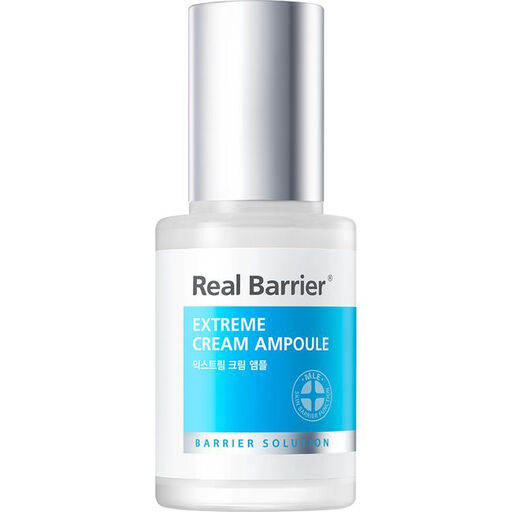
Why this product suits this profile: The concentrated ampoule texture is intended for dry, sensitive or weakened skin and can be used morning and evening underneath a regular facial cream.
Rather than relying on a strong active-ingredient treatment, the formulation uses ceramides, panthenol, madecassoside and hyaluronic acid for daily moisturising care.
MLE technology according to the product description, ceramide NP and a fast-absorbing, non-sticky texture.
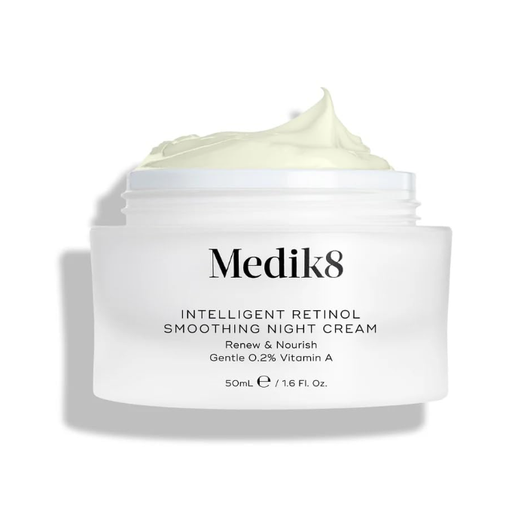
Why this product suits this profile: According to the product information, the night cream contains 0.2% time-release retinol and is intended for a clearly structured evening routine.
The dosage and intended application frequency are stated. Starting slowly can help you monitor your individual tolerance.
0.2% time-release retinol, vitamin E and dragon fruit extract; suitable for evening use only.
We have put together a complete, regularly updated list of products that fully meet these strict selection criteria and the safety regulations applicable in the EU.
A simple routine makes it easier to assess tolerance:
During pregnancy or breastfeeding, products containing vitamin A derivatives should only be used after consulting a healthcare professional. The instructions on the relevant packaging are authoritative.
For dry skin, formulations containing glycerine, hyaluronic acid, ceramides, panthenol, squalane or nourishing oils may be suitable. A rich night cream may feel more comfortable than a lightweight gel cream. If your skin is also sensitive, the number of active products should be limited.
The expiry date and batch number are shown on the packaging. Once opened, you should also observe the stated period of use after opening. Retinol products should be stored away from light and, where applicable, in a cool place, in accordance with the manufacturer’s instructions.
Especially at the beginning, retinol should not be used at the same time as several exfoliants or highly active products. Introducing it gradually alongside simple skin-barrier care makes the routine easier to control. If you have sensitive skin, a tolerance test on a small area of skin is advisable.