
Lieferung heute & morgen

Qualitätsgarantie

Willkommens-Angebote freischalten: KOSTENLOSE Lieferung | Bis zu 80 % RABATT | Kostenlose 30-Tage-JoyPlus-Testphase
App herunterladen
A facial exfoliant promises a radiant complexion and a smoother skin texture. However, the selection is vast, and marketing claims are often confusing. Many products don't deliver on their promises and, in the worst-case scenario, can even irritate the skin. As your Joybuy Product Recommendation Officer, I'll help you avoid the common purchasing pitfalls and make an informed decision that truly suits your skin type.
Before we dive into the details, let's highlight two common issues that often lead to regrettable purchases:
To find the right skin peel, you should understand two fundamental parameters. These will help you correctly interpret product descriptions and separate the effective from the ineffective.
The way a peel removes dead skin cells is the most important factor.
The texture and delivery format of the product influence both the application experience and its suitability for your skin type.
Instead of making a blanket recommendation, we have selected products for specific user profiles. This way, you can find a solution tailored to your individual needs.
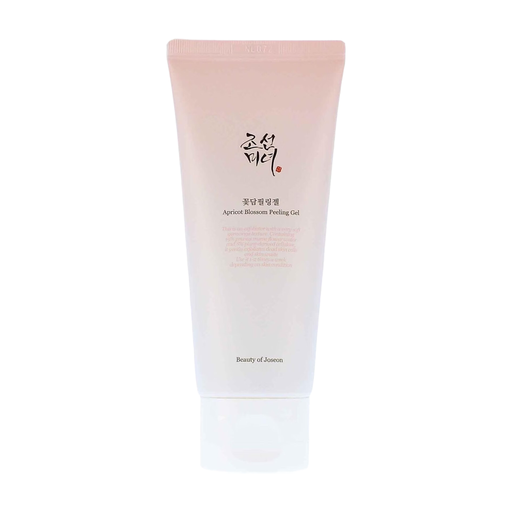
Why This Fits Their Persona: Ideal for those new to the world of exfoliants or who have reactive skin. The gommage texture allows for controlled, gentle exfoliation without the risk of irritation from sharp particles.
This peeling gel avoids the trap of aggressive abrasive particles by relying on plant-based cellulose. When massaged, it forms soft rolls that gently lift away dead skin instead of scrubbing it off.
The formula contains Prunus Mume (apricot blossom) water, which has moisturising and skin-soothing properties. The skin feels soft and hydrated after use, not stripped or dry.
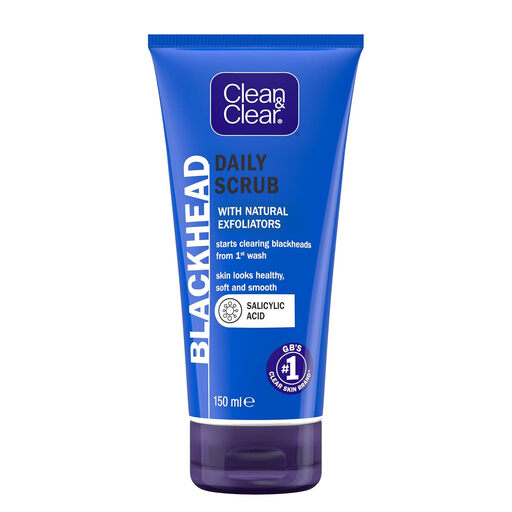
Why This Fits Their Persona: Designed for individuals who want to specifically target blackheads and excess sebum. Its suitability for daily use makes it a straightforward part of a skincare routine for oily skin.
This product debunks the "one-size-fits-all" myth by taking a clear stance: it combines mechanical cleansing with salicylic acid (BHA), a proven active ingredient that works specifically inside the pores.
The oil-free formula effectively removes dead skin cells and excess oil without drying out the skin. The included soothing ingredients like panthenol and chamomile extract help prevent irritation.
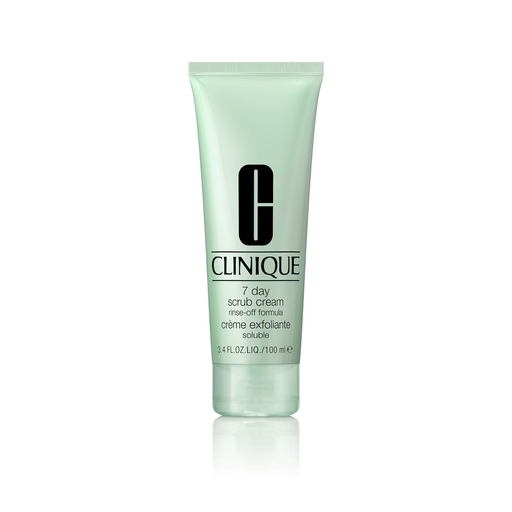
Why This Fits Their Persona: Perfect for users who prefer a nourishing skin feel and are looking for a mechanical exfoliant that is gentle enough for regular use. It optimally prepares the skin for subsequent moisturiser.
This product uses fine, perfectly spherical silica beads. These polish the skin's surface rather than scratching it, thus avoiding the danger of micro-injuries from sharp-edged particles.
The rich cream base ensures a pleasant feel on the skin during application and prevents tightness. As it is fragrance-free and allergy-tested, it is suitable for many skin types.
We've compiled a complete, up-to-date list of products that fully meet these strict selection criteria and current regulations.
The frequency of use depends heavily on the product type and your skin's sensitivity. Very gentle mechanical exfoliants or gels can be used several times a week or even daily, depending on the manufacturer's instructions. Stronger chemical peels, especially those with high acid concentrations, should only be used once or twice a week to avoid overwhelming the skin. Always follow the recommendations on the product packaging.
Combining them is possible but requires caution. It is generally not recommended to use both types of exfoliants on the same day, as this can lead to over-exfoliation, which weakens the skin barrier. A possible routine would be to alternate between a gentle mechanical and a chemical exfoliant on different days of the week. Always listen to your skin's signals.
A face scrub is a classic mechanical exfoliant that contains solid abrasive particles to smooth the skin through friction. A peeling gel, especially a gommage-style peel, often works more gently. The gel is applied to dry skin, and through massaging, small rolls of cellulose, product residue, and dead skin cells are formed. This method is considered particularly gentle as it creates less abrasive friction.