
Lieferung heute & morgen

Qualitätsgarantie

Willkommens-Angebote freischalten: KOSTENLOSE Lieferung | Bis zu 80 % RABATT | Kostenlose 30-Tage-JoyPlus-Testphase
App herunterladen
A facial exfoliant promises a refined skin texture, clearer pores, and a radiant complexion. However, the market is overwhelming, and many products don't deliver on their promises. When used incorrectly, an exfoliant can even damage the skin. As your Joybuy Product Recommendation Officer, I'll help you avoid the typical purchasing pitfalls and make an informed decision based on objective criteria.
Before you invest, you should be aware of the most common marketing myths that often lead to regrettable purchases.
To find the right product, you should focus on three core parameters. These will help you objectively assess an exfoliant's suitability for your individual needs.
The type of exfoliation is the most important factor. Each method has specific advantages and disadvantages.
A good exfoliant contains more than just one exfoliating active ingredient. Pay attention to the entire formulation:
The application method determines how the product fits into your skincare routine.
Here are some product recommendations tailored to different user profiles and their specific requirements.
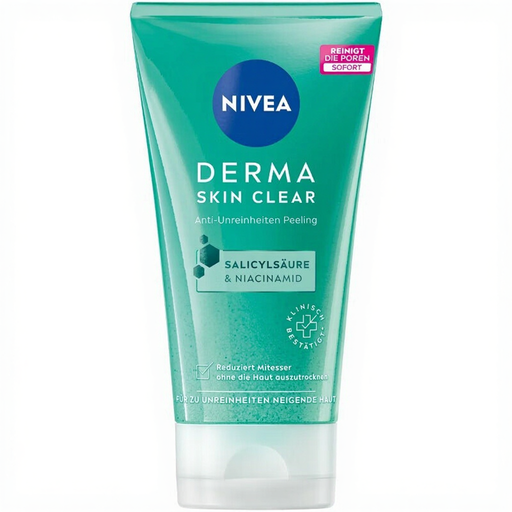
Why This Fits Their Persona: Ideal for individuals seeking an effective and accessible solution for blemishes. The formulation is specifically tailored to the needs of acne-prone skin and is easy to integrate into a weekly routine.
It combines gentle mechanical exfoliation via cellulose particles with a chemical peel (salicylic acid). This prevents irritation from coarse particles while the BHA works targetedly within the pores.
The combination of salicylic acid (BHA) and niacinamide effectively combats blemishes and clogged pores while simultaneously supporting the skin barrier.
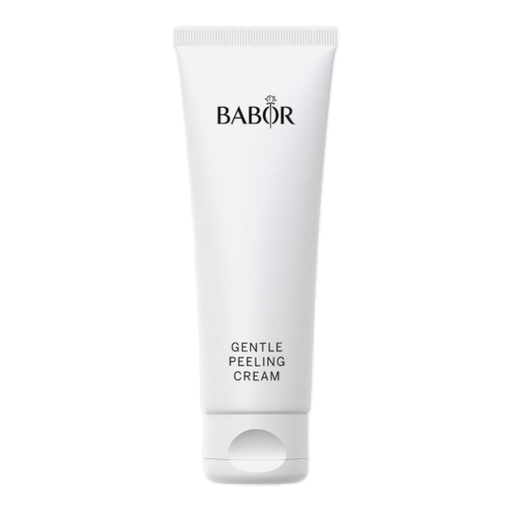
Why This Fits Their Persona: Perfect for users seeking a gentle method to remove dead skin cells without stressing the sensitive skin barrier. The creamy texture nourishes the skin during application.
It bypasses the trap of aggressive "natural" particles by using rounded exfoliating beads made from jojoba wax and cellulose, which polish the skin's surface without scratching it.
The formula is enriched with shea butter, almond oil, and Vitamin E to preserve the skin's hydro-lipid film and keep it supple.
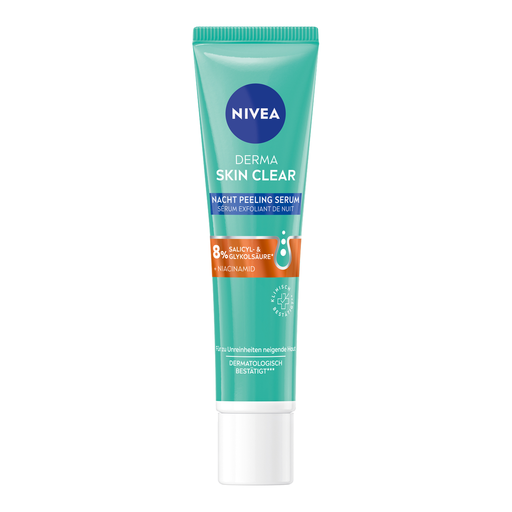
Why This Fits Their Persona: Suitable for experienced users looking for an intensive treatment for skin renewal. As a leave-on overnight serum, it works while the skin regenerates, aiming for a visibly improved complexion.
Instead of a short-lived "instant effect," this serum focuses on continuous improvement. According to the brand, the formulation supports the skin's own renewal process for sustainable results.
The highly concentrated formula with 8% salicylic and glycolic acid plus niacinamide offers a powerful combination for skin renewal, pore refinement, and combating impurities.
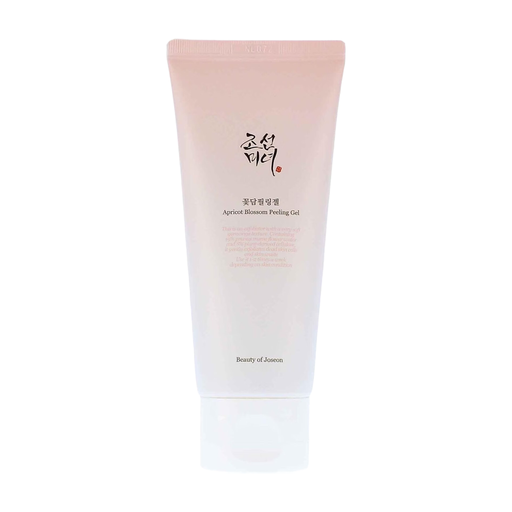
Why This Fits Their Persona: For anyone who prefers a very gentle yet visible exfoliating experience. This gel is ideal for skin types that are sensitive to acids or mechanical scrubs but still want to achieve a smooth skin texture.
It avoids both abrasive particles and acids. Exfoliation occurs through plant-derived cellulose that binds with dead skin cells and gently rolls them away without irritating the skin.
The gommage texture minimises skin irritation and is formulated with 19% Prunus Mume (apricot blossom) water, which moisturises and soothes the skin during application.
We have compiled a complete, up-to-date list of products that fully meet these strict selection criteria and current regulations.
1. How often should you use a facial exfoliant? The frequency heavily depends on the chosen product and your skin type. Gentle enzyme or PHA peels can be used 2–3 times a week. For stronger acid peels (AHA/BHA), it's advisable to start with one application per week and slowly increase the frequency. Mechanical scrubs should not be used more than 1–2 times a week to avoid over-stressing the skin. Always follow the manufacturer's instructions.
2. Do I need to use sunscreen after a fruit acid peel? Yes, this is essential. Acids, especially AHAs, increase the skin's sensitivity to light (photosensitivity). To prevent sun damage, premature ageing, and the development of dark spots, daily use of a broad-spectrum sunscreen with at least SPF 30 is mandatory on the day after application and for the following week.
3. Can I use a facial exfoliant on active acne? If you have severely inflamed, active acne, you should avoid mechanical exfoliants (scrubs). The friction can worsen inflammation and spread bacteria. However, a gentle chemical peel with salicylic acid (BHA) can be beneficial, as it has anti-inflammatory properties and penetrates deep into the pores to dissolve blockages. For severe forms of acne or if you are unsure, consulting a dermatologist is advisable.