
Lieferung heute & morgen

Qualitätsgarantie

Willkommens-Angebote freischalten: KOSTENLOSE Lieferung | Bis zu 80 % RABATT | Kostenlose 30-Tage-JoyPlus-Testphase
App herunterladen
A clear, refined complexion is a common skincare goal. A facial exfoliant can be an effective tool for removing dead skin cells, refining pores, and improving skin texture. However, the market is saturated with products whose marketing claims often create more confusion than clarity. Incorrectly chosen or applied exfoliants can even weaken the skin barrier. This guide will help you understand the key criteria and avoid common purchasing pitfalls.
Before you make a decision, it's important to be aware of two widespread misconceptions that often lead to unsuitable purchases.
To find the right facial exfoliant, you should understand two fundamental factors: the exfoliation method and the type of formulation.
The way an exfoliant works is the most important distinguishing factor.
Mechanical Exfoliants (Scrubs): These products contain fine abrasive particles that physically slough off dead cells through gentle, circular motions on the skin. They are suitable for non-sensitive, normal to oily skin to achieve immediate surface smoothing. Pay attention to the type of particles: rounded beads are preferable to sharp-edged, natural fragments.
Chemical Exfoliants: These work without mechanical friction. They contain acids that dissolve the bonds between dead skin cells on the surface, allowing them to be shed more easily. This is often a more targeted method to improve the complexion. There are three main types of acids:
Chemical exfoliants come in various formats that differ in application and intensity.
Here are some recommendations tailored to different needs and skin types.
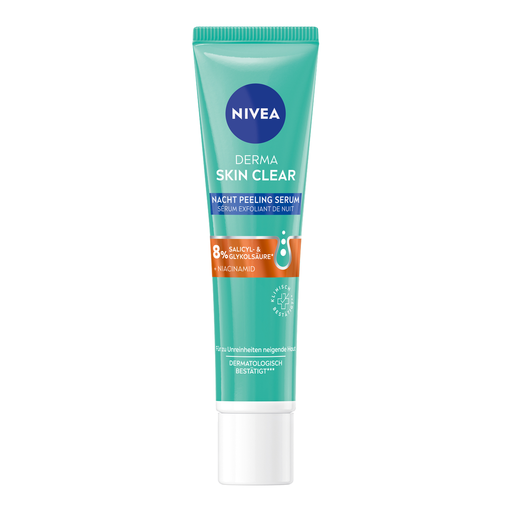
Why it's a good fit: This serum is designed for those who want to specifically target skin blemishes. The overnight application is straightforward and easy to integrate into an existing skincare routine. It's an approachable option for starting with a chemical exfoliant.
The product avoids the "stronger is better" fallacy with a formulated 8% acid concentration (salicylic & glycolic acid) developed for regular use on blemish-prone skin without being overly aggressive.
Combines BHA (salicylic acid) for pore cleansing with AHA (glycolic acid) for surface renewal. Also contains niacinamide, known for its soothing and pore-refining properties.
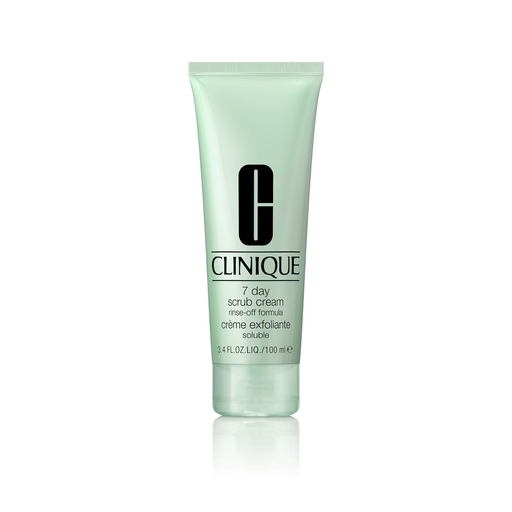
Why it's a good fit: Ideal for users who prefer the feel of a classic facial scrub but value a skin-friendly formula. The creamy texture provides a pleasant feel and optimally prepares the skin for subsequent moisturiser.
This product avoids the "natural is always gentler" trap by using fine, perfectly spherical silica particles. These polish the skin without the sharp edges found in many natural abrasives that can lead to micro-injuries.
The dermatologist-developed formula is fragrance-free and allergy-tested. The creamy base prevents the skin from drying out during exfoliation and leaves it feeling soft and smooth.
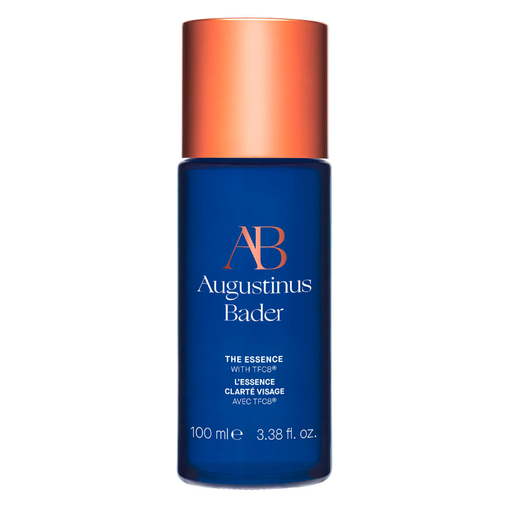
Why it's a good fit: For experienced skincare users seeking a science-backed, multifunctional solution. This product combines exfoliation, toning, and hydration in one step, aiming to support the skin's own regenerative processes.
Although positioned as a 3-in-1 product, its efficacy is based on a specific, patented technology (TFC8) and a thoughtful combination of AHA, BHA, and PHA. It is not a compromised all-in-one solution, but a synergistic formulation.
Contains the patented TFC8 complex, which the manufacturer claims supports the skin's natural renewal processes. The formula gently exfoliates without compromising the moisture barrier and prepares the skin for subsequent skincare products.
We have compiled a complete, up-to-date list of products that fully meet these strict selection criteria and all applicable safety regulations.
1. How often should you use a facial exfoliant? The frequency of use depends heavily on the product type and your skin condition. For gentle mechanical exfoliants or low-concentration chemical toners, using them 2-3 times a week may be appropriate. Higher-concentration products like an exfoliating serum or mask should be used less frequently, about 1-2 times a week, and preferably in the evening. Always start with a lower frequency and observe your skin's reaction. Using sunscreen the day after applying a chemical exfoliant is essential.
2. Can I combine a BHA exfoliant and an AHA (fruit acid) exfoliant? Yes, combining them is possible and can be beneficial for certain skin types, but it requires caution. Some products already contain a blend of both acid types. If you are using separate products, it is advisable to use them on alternate days (e.g., AHA on Mondays, BHA on Wednesdays) rather than one after the other, to minimise the risk of irritation.
3. What is the difference between an exfoliating serum and a facial scrub? A facial scrub is a mechanical exfoliant. It removes dead skin cells through the physical friction of small particles on the skin. An exfoliating serum is a chemical exfoliant. It contains acids (like AHA or BHA) that dissolve the cellular bonds biochemically, without the need for mechanical friction. Chemical exfoliants can often work in a more targeted way, for example, to refine pores, as the active ingredients can penetrate more deeply.