
Lieferung heute & morgen

Qualitätsgarantie

Willkommens-Angebote freischalten: KOSTENLOSE Lieferung | Bis zu 80 % RABATT | Kostenlose 30-Tage-JoyPlus-Testphase
App herunterladen
Exfoliation can be an essential step to refine your skin's texture and help restore its natural radiance. However, the market is saturated with products whose promises often create more confusion than clarity. Choosing the wrong product not only leads to disappointing results but can even weaken the skin barrier. As your Joybuy Product Recommendation Officer, I'll help you identify the key features and avoid common purchasing pitfalls.
Many users invest in products that are unsuitable for their skin type. This is often due to widespread misconceptions and clever marketing. Here are the three most common pitfalls you should be aware of:
To find the right product, you shouldn't be guided by marketing messages, but rather focus on objective criteria. These three parameters are crucial for your selection.
The most fundamental distinction lies in the method used to remove dead skin cells.
An exfoliant should always be tailored to the individual needs of your skin. Pay attention to the combination of active ingredients:
Based on these objective criteria, we have curated a selection of products for different needs and skin types.
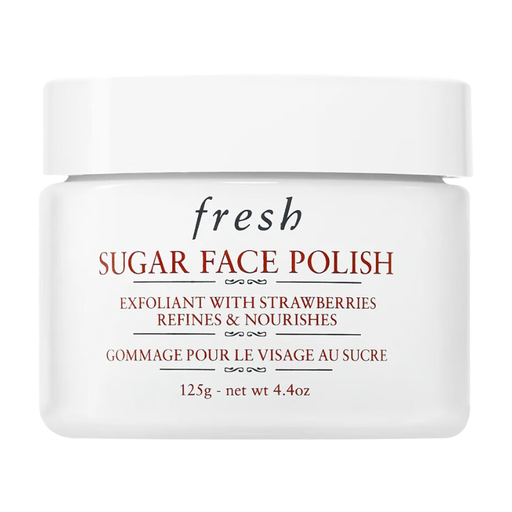
Why This Fits Their Persona: Ideal for those who prefer an effective yet gentle exfoliation. The sugar crystals exfoliate the skin and slowly dissolve with water, preventing over-scrubbing. The formula is suitable for all skin types.
This product debunks the "stronger is better" myth. It shows that an exfoliant can be gentle and nourishing at the same time, rather than just stripping the skin. The included oils counteract dryness.
Self-dissolving exfoliating particles: Real sugar crystals provide a controlled exfoliation. Nourishing formula: Contains meadowfoam and grapeseed oil for hydration.
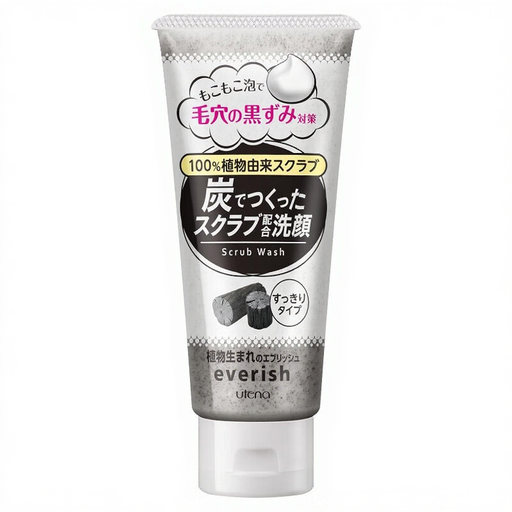
Why This Fits Their Persona: Designed for individuals with oily skin and enlarged pores. The combination of mechanical exfoliation (walnut shell powder) and absorbent ingredients (activated charcoal, kaolin) targets deep cleansing.
This product avoids the "one-size-fits-all" approach. It is clearly targeted at the needs of oily skin and combines multiple mechanisms of action to specifically combat excess sebum and impurities.
Deep-cleansing activated charcoal: Draws dirt and oil from the pores. Oil-absorbing kaolin: Helps to mattify shine and clarify the skin.
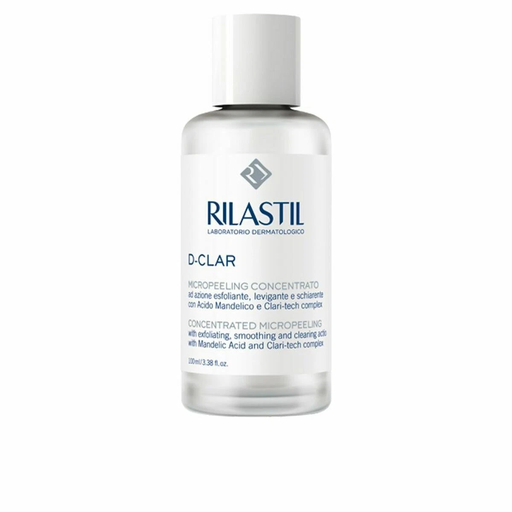
Why This Fits Their Persona: For users who want to specifically target dark spots and an uneven skin tone. This concentrated, leave-on chemical peel combines mandelic acid with brightening agents like niacinamide and vitamin C.
This product demonstrates that a chemical peel doesn't have to be aggressive. The formula is suitable for sensitive skin and works in a targeted manner instead of irritating the entire skin surface. It is an example of a thoughtful, modern formulation.
Targeted action: Formulated to reduce the appearance of dark spots. Gentle acid: Mandelic acid is a mild AHA that is also suitable for more sensitive skin types.
Choosing the right exfoliant is especially crucial for dry skin types. We have compiled a selection of products specifically tailored to the needs of dry skin.
The frequency of use depends heavily on the product and your skin type. For most mechanical exfoliants and stronger chemical peels, using them one to two times per week is a common guideline. Some very mild chemical lotions are designed for daily use. Always follow the manufacturer's recommendations on the packaging and monitor your skin's reaction to avoid over-exfoliation.
Yes, but choosing the right product is crucial. Specifically look for an exfoliant for sensitive skin. Formulations with Poly-Hydroxy Acids (PHAs) or enzymes are often a good choice. With mechanical exfoliants, the abrasive particles should be very fine and rounded. It is advisable to test a new product on an inconspicuous area first, such as your forearm (a patch test).
A wash-off scrub is a mechanical exfoliant. It removes dead skin flakes through the friction of small particles on the skin's surface. A fruit acid peel is a chemical exfoliant. It uses acids (like AHAs or BHAs) to dissolve the cellular bonds, allowing the old skin cells to shed more easily. This process occurs without any mechanical friction.