Joybuy Insights

Facial Exfoliant Guide: How to Choose the Right Product

A clear, smooth complexion is a common skincare goal. A facial exfoliant can be an effective tool for removing dead skin cells, clearing pores, and restoring radiance to your complexion. However, the market offers an overwhelming selection, and not every product delivers on its promises. Certain formulations can even do more harm than good.

This guide will help you navigate the common pitfalls of buying an exfoliant and find a product that is precisely tailored to your skin's needs.

The 3 Most Common Mistakes When Buying a Facial Exfoliant

Before you make a decision, it's important to understand the most common marketing traps and product flaws that can lead to unsatisfying results or skin irritation.

  1. The Aggressive Abrasive Particle Trap: Many mechanical exfoliants, especially in the budget-friendly category, use coarse, sharp-edged particles like crushed nutshells or apricot kernels. These can cause micro-tears on the skin's surface, which weaken the skin barrier and lead to redness, dryness, and increased susceptibility to blemishes.
  2. Misleading "Natural" Claims: The term "natural" is not a legally protected term in cosmetics. A product can be marketed as natural yet still contain ingredients unsuitable for sensitive skin types, such as high concentrations of essential oils or alcohol. Efficacy depends on the specific formulation and ingredients, not the "natural" label.
  3. The Wrong Exfoliant Type for Your Skin: Using an unsuitable type of exfoliant is a common mistake. A strong fruit acid peel can cause irritation on very sensitive skin, while a coarse facial scrub can exacerbate inflammation in cases of active acne. The choice between a mechanical and a chemical exfoliant should always be based on your individual skin condition.

What Really Matters: The Decisive Selection Criteria

To find the right product, focus on objective, verifiable parameters rather than marketing promises. The following two factors are crucial.

1. Exfoliation Method: Mechanical vs. Chemical

The method of exfoliation is the most important factor. Both methods have their place but are suited for different skin types and needs.

  • Mechanical Exfoliant (Facial Scrub): These products remove dead skin cells through physical friction. Abrasive agents include substances like sugar crystals, salt, silica, or fine jojoba wax beads.
    • Look for: Finely ground, rounded particles. These gently polish the skin instead of scratching it. Mechanical exfoliants are well-suited for normal to oily skin without active inflammation to quickly achieve a smoother skin feel.
  • Chemical Exfoliant (e.g., Fruit Acid Peel): These products work using ingredients that dissolve the bonds between skin cells. These include acids or enzymes.
    • Alpha Hydroxy Acids (AHAs), like glycolic acid, are water-soluble and work on the skin's surface. They are a great choice for an anti-ageing peel, as they can stimulate cell renewal and reduce fine lines.
    • Beta Hydroxy Acids (BHAs), like salicylic acid, are oil-soluble. They can penetrate deep into the pores, making them ideal as an exfoliant for blemish-prone skin and as an exfoliant for blackheads.
    • Polyhydroxy Acids (PHAs) have larger molecules and penetrate the skin more slowly. They are considered particularly gentle and are a good option for an exfoliant for sensitive skin.

2. Ingredients and Concentration

A look at the ingredients list reveals more than any product description. Look for active ingredients that match your skin goals and avoid known irritants.

  • For a pore-refining exfoliant: Look for Salicylic Acid (BHA) or Niacinamide. These ingredients help to clear excess sebum from pores and refine their appearance.
  • For sensitive skin: Products with soothing additives like Aloe Vera, Panthenol, Allantoin, or Bisabolol are beneficial. Avoid high concentrations of denatured alcohol and potentially irritating fragrances.
  • For dry skin: Look for moisturising ingredients like Glycerin, Hyaluronic Acid, or a creamy base that nourishes the skin during exfoliation and protects it from drying out.

Product Picks for Different Users

Based on the criteria above, we have compiled a selection of products suitable for specific user profiles and their needs.
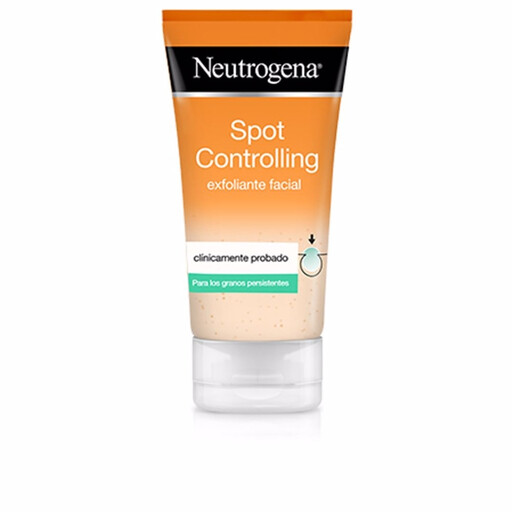
MATCH FOR: Users with Blemish-Prone Skin
Odol-med3 GRANITOS PERSISTENTES facial exfoliant 150 ml

Odol-med3 GRANITOS PERSISTENTES facial exfoliant 150 ml

Why This Fits Their Persona: This exfoliating gel was specially developed for blemish-prone skin. It combines an exfoliating effect with a formula that aims to deeply cleanse pores and combat existing skin blemishes.

How It Avoids the Trap

Instead of relying solely on mechanical friction, it uses a formulation with salicylic acid. According to the manufacturer, the ClearDefend technology respects the skin's own protective barrier, thus avoiding excessive drying.

Key Advantage & Pros

Contains salicylic acid for targeted pore cleansing. The formula is designed to support skin renewal and promote a smoother complexion.
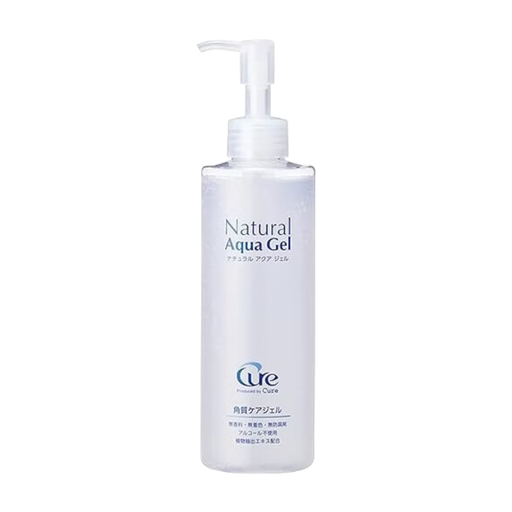
MATCH FOR: Sensitive Skin Types
Curel Natural Aqua Gel Exfoliator 250g

Curel Natural Aqua Gel Exfoliator 250g

Why This Fits Their Persona: Ideal for those seeking an extremely gentle exfoliation. This gel exfoliant contains no mechanical abrasive particles and is designed for all skin types, including very sensitive skin.

How It Avoids the Trap

It completely bypasses the trap of aggressive exfoliants. The formula is based on 90% water and works through a mild reaction that binds and removes dead skin cells without irritating the living skin.

Key Advantage & Pros

Free of fragrances, colourants, parabens, and alcohol. The minimalist formula significantly reduces the risk of irritation.
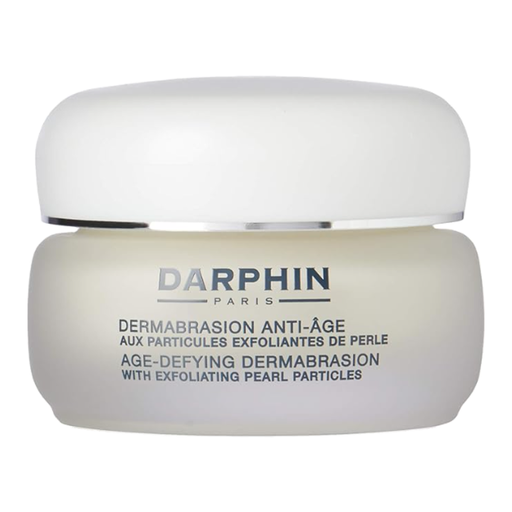
MATCH FOR: Users with an Anti-Ageing Focus
Darphin Age-Defying Dermabrasion 50 ml

Darphin Age-Defying Dermabrasion 50 ml

Why This Fits Their Persona: This product is designed for users seeking a refining and polishing treatment to smooth skin texture and reduce the appearance of fine lines and signs of ageing.

How It Avoids the Trap

It avoids coarse abrasive particles, instead using fine, natural exfoliants like silica, pearl powder, and lava powder. The creamy texture ensures a gentle application that polishes the skin rather than damaging it.

Key Advantage & Pros

Combines mechanical exfoliation with nourishing ingredients like shea butter and bisabolol to keep the skin supple during application.

Looking for More Options?

We have compiled a complete, up-to-date list of products that fully meet these strict selection criteria and current regulations.

Frequently Asked Questions About Facial Exfoliants

How often should you use a facial exfoliant?

The frequency of use depends heavily on your skin type and the product's formulation. As a general guideline:

  • Oily, resilient skin: 1 to 2 times per week.
  • Normal to combination skin: Once a week.
  • Dry or sensitive skin: Once every 7 to 14 days. Always follow the manufacturer's instructions. Over-exfoliation can damage the skin barrier and should be avoided.

Can an exfoliant help with blackheads and blemishes?

Yes, especially chemical exfoliants with Salicylic Acid (BHA) are well-suited for this. Because salicylic acid is oil-soluble, it can penetrate into the pores and dissolve the accumulated sebum and dead skin cells that are the main cause of blackheads. A pore-refining exfoliant can thus contribute to a clearer complexion in the long run.

What is the difference between a mechanical and a chemical skin exfoliant?

A mechanical skin exfoliant (or facial scrub) removes dead skin cells through physical friction using small particles. A chemical skin exfoliant, on the other hand, uses acids (like AHA, BHA) or enzymes to dissolve the cellular bonds, allowing the top layer of skin to shed gently. Chemical exfoliants often provide a more even and controlled exfoliation.


Written by the Joybuy Product Recommendation Officer