
Lieferung heute & morgen

Qualitätsgarantie

Willkommens-Angebote freischalten: KOSTENLOSE Lieferung | Bis zu 80 % RABATT | Kostenlose 30-Tage-JoyPlus-Testphase
App herunterladen
A facial exfoliant promises to renew the skin, refine pores, and deliver a radiant complexion. However, the market is saturated with products whose marketing claims often create more confusion than clarity. Many users choose the wrong product, risking skin irritation or a weakened skin barrier. Before you make a decision, it's crucial to understand the most common pitfalls.
A widespread misconception is the "suitable for all skin types" claim. An intensive fruit acid peel that yields great results for oily skin can cause redness and dryness on sensitive skin. Another pitfall is the aggressive promotion of daily use. Over-exfoliation can damage the skin's natural protective barrier, making it more vulnerable to environmental stressors. This guide will help you navigate these challenges and make an informed choice.
To find the right facial exfoliant, an understanding of the basic mechanisms and active ingredients is essential. The choice largely depends on your skin type and desired outcome.
The method by which dead skin cells are removed is the key differentiator.
With chemical exfoliants, the type of active ingredient is crucial for both effect and tolerability.
The choice of an exfoliant should always be tailored to the individual needs of your skin. Here are some product recommendations designed for different user profiles.
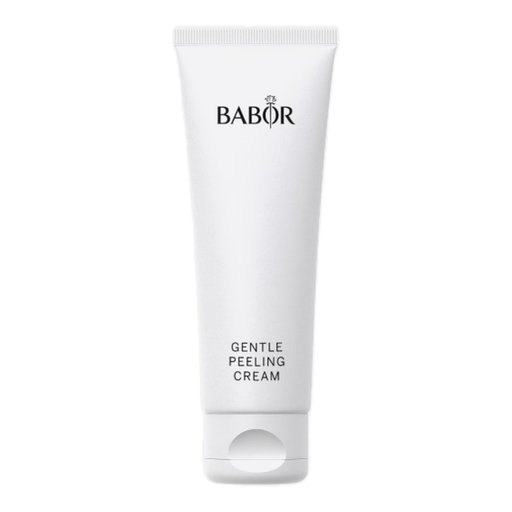
Why This Fits Their Persona: Individuals with sensitive or dry skin need an exfoliant that doesn't further stress the skin barrier. This cream was specifically developed for this skin type and combines gentle exfoliating particles with nourishing ingredients.
This product bypasses the 'one-size-fits-all' trap by specifically targeting the needs of sensitive skin. Instead of sharp-edged particles, it uses natural exfoliating particles from jojoba wax and cellulose that gently exfoliate without causing irritation.
The formula contains shea butter, almond oil, and probiotics, which preserve the skin's hydro-lipid film and support the microbiome. The skin is nourished and hydrated during the exfoliation process.
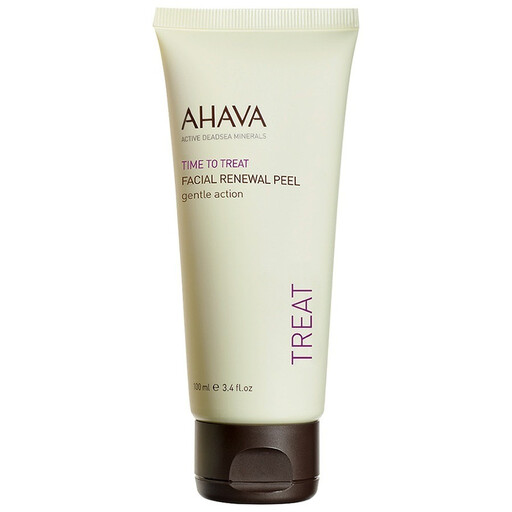
Why This Fits Their Persona: Users who want to specifically target blemishes, a dull complexion, and uneven texture will benefit from a combined acid formula. This peel works both on the surface and within the pores.
Instead of relying on aggressive marketing, the manufacturer transparently educates about the necessity of sun protection when using acids. This directly addresses the risk of increased sun sensitivity, an often-overlooked side effect of AHA peels.
The formula combines AHA (glycolic acid, lactic acid) and BHA (salicylic acid). This blend enables comprehensive skin renewal: AHAs smooth the surface, while BHA deep-cleanses the pores. The Osmoter complex, made from Dead Sea minerals, helps maintain hydration.
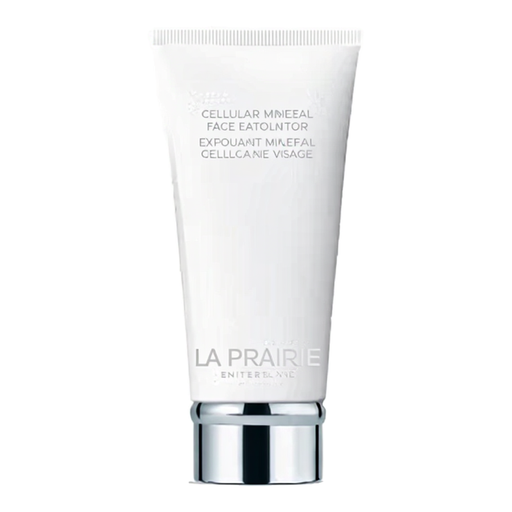
Why This Fits Their Persona: For users who view skincare as a self-care ritual and value high-quality formulations and a luxurious application experience. This exfoliant combines effective exfoliation with a rich, silky texture.
This product avoids exaggerated efficacy claims, focusing instead on the quality of its ingredients and the gentleness of the application. It relies on a combination of mechanical exfoliation and nourishing components rather than promoting an aggressive action.
The formula contains a blend of mineral-rich gemstone powders (diamond, tourmaline) for a gentle yet effective polishing of the skin. The brand's exclusive Cellular Complex supports skin functions and leaves the skin feeling hydrated and supple after use.
We have compiled a complete, up-to-date list of products that fully meet these strict selection criteria.
1. How often should you use a facial exfoliant? The frequency of use depends heavily on the product and your skin type. As a general guideline, start with one application per week. Observe how your skin reacts. Resilient, oily skin might tolerate two applications per week, while for dry and sensitive skin, one application every 7 to 14 days is often sufficient. Always follow the manufacturer's recommendations.
2. What is the difference between a chemical exfoliant and a facial scrub? A facial scrub works mechanically through friction. Small particles physically remove dead skin cells. A chemical exfoliant, on the other hand, works via ingredients like acids (AHA/BHA) or enzymes, which soften and dissolve the cellular bonds, allowing the dead skin cells to shed on their own. Chemical exfoliants can more specifically target skin concerns like pigmentation or blemishes.
3. Can I use a facial exfoliant on sensitive skin? Yes, exfoliation is possible even with sensitive skin, but choosing the right product is critical. A gentle enzyme peel or a mechanical exfoliant with very fine, rounded particles (e.g., jojoba wax) is often a good choice. Products with a low concentration of lactic acid (AHA) or polyhydroxy acids (PHAs) can also be well-tolerated. It is advisable to patch-test the product on an inconspicuous area first.