
Lieferung heute & morgen

Qualitätsgarantie

Willkommens-Angebote freischalten: KOSTENLOSE Lieferung | Bis zu 80 % RABATT | Kostenlose 30-Tage-JoyPlus-Testphase
App herunterladen
Sensitive skin often reacts to external factors—especially intensive skincare products—with redness, tightness, or irritation. Finding an exfoliant that is both effective and gentle on the skin can therefore be a challenge. The ideal product should remove dead skin cells, refine skin texture, and promote a brighter complexion without compromising the delicate skin barrier.
This article presents a selection of facial exfoliants specially formulated for the needs of sensitive skin. You will also find practical tips to help you choose the right product.
The right choice depends on the ingredients, the exfoliation method, and your individual skin condition. Two to three criteria are particularly important.
Facial exfoliants can be broadly divided into two categories:
A good facial exfoliant for sensitive skin is distinguished not only by its exfoliating properties but also by its soothing and nourishing components. Look for ingredients such as:
Formulations without alcohol, fragrances, and harsh surfactants are often better tolerated by sensitive skin.
Here is a selection of products that stand out for their formulations tailored to sensitive skin.
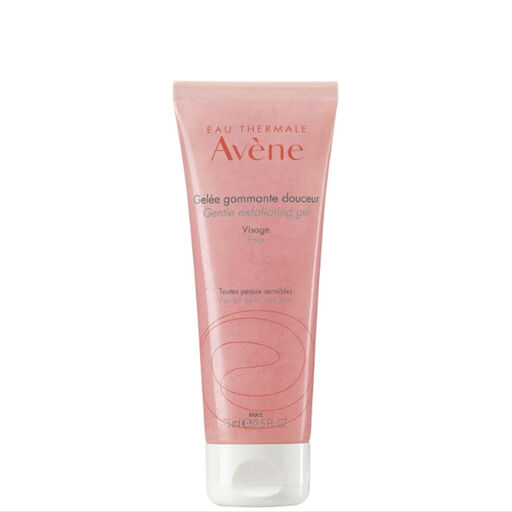
Why it stands out: This exfoliating gel for sensitive skin combines mechanical and mild chemical exfoliation. It leverages Avène's dermatological expertise to deliver a thorough yet very gentle cleanse. The formula is designed to renew the skin without drying it out or causing irritation.
Benefits:
Best for: Ideal for users with sensitive skin who are looking for an effective but gentle solution to remove dead skin cells and refine their complexion.
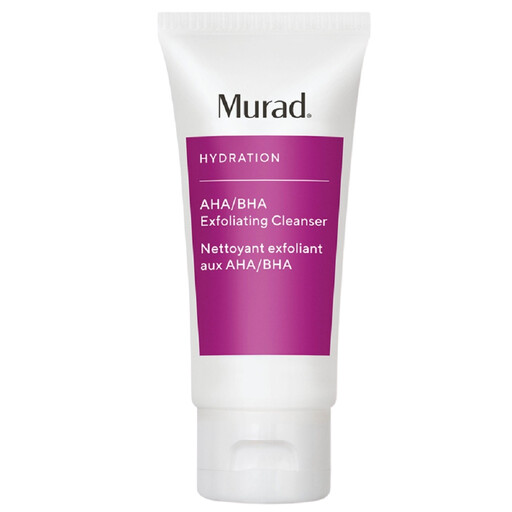
Why it stands out: This cleanser offers an intensive triple-action effect by combining chemical and mechanical exfoliating components. The dermatologist-developed formula aims to revitalise dull skin and stimulate cell renewal, while moisturising ingredients keep the skin supple.
Benefits:
Best for: All skin types, including less-reactive sensitive skin, seeking a high-performance exfoliating treatment to improve skin tone and texture. Due to the acids, use is recommended two to three times per week.
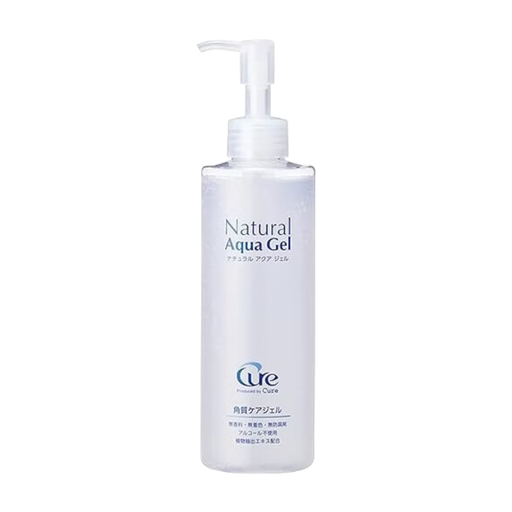
Why it stands out: This Japanese-made exfoliating gel is based on a minimalist formula that, according to the manufacturer, consists of 90% activated hydrogen water. It removes dead skin cells in a uniquely gentle way, as the gel reacts upon contact with the skin to lift away keratinised cells without mechanical friction or harsh acids.
Benefits:
Best for: Perfect for very sensitive and reactive skin types who prefer an extremely gentle facial exfoliant without abrasive particles or acids.
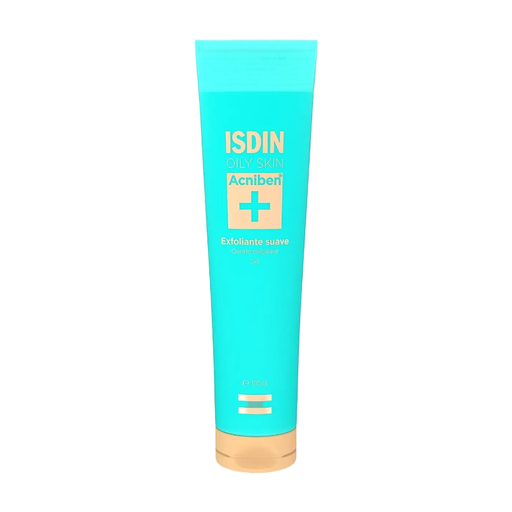
Why it stands out: This exfoliating gel was specifically developed for the needs of sensitive skin prone to blemishes and shine. It combines gentle mechanical exfoliation with sebum-regulating active ingredients to unclog pores and clarify the complexion.
Benefits:
Best for: Individuals with sensitive, oily, or acne-prone skin who are looking for an exfoliant that clears pores while remaining gentle on the skin.
The range of skincare products is vast, and individual skin needs vary. If you'd like to explore more options that specifically feature a gel-like texture, you might find the right product in our broader selection.
Discover more options in our Facial Exfoliating Gels category.
For sensitive skin, it is generally recommended to use a facial exfoliant no more than one to two times per week. Pay close attention to your skin's reaction. If you notice signs of irritation or dryness, reduce the frequency of use.
For this skin condition, a combination of gentleness and efficacy is key. A chemical exfoliant for sensitive skin with BHA (salicylic acid) can be a good choice, as it is oil-soluble and can penetrate pores to cleanse them from within. Alternatively, mechanical exfoliants with very fine particles and sebum-regulating ingredients like Zinc PCA are suitable.
An unsuitable or overly aggressive exfoliant can increase redness in sensitive skin. Therefore, choosing a product with soothing ingredients (e.g., thermal spring water, niacinamide) and a gentle exfoliation method (e.g., PHAs, fine cellulose particles) is crucial. Before the first full-face application, perform a patch test on an inconspicuous area to check for compatibility.