
Lieferung heute & morgen

Qualitätsgarantie

Willkommens-Angebote freischalten: KOSTENLOSE Lieferung | Bis zu 80 % RABATT | Kostenlose 30-Tage-JoyPlus-Testphase
App herunterladen
Facial exfoliating pads combine the use of a toner with controlled exfoliation. They can be a practical option for blemish-prone, oily, combination or sensitive skin, particularly if dead skin cells, excess sebum or rough texture are a focus of your skincare routine. What matters, though, is not the product’s eye-catching name, but the combination of active ingredients, acid concentration, pad texture and frequency of use.
The term “mild” doesn’t describe a uniform, legally defined level of performance. AHA, BHA and PHA acids differ in their function and how well they’re tolerated. Fragrances, essential oils and textured cotton pads may also be a consideration for some skin types.
So, check the full INCI list on the packaging. If you have sensitive skin, facial pads formulated for sensitive skin with a straightforward combination of active ingredients and as few additional potential irritants as possible are often easier to assess.
Products that claim to “refine pores” may temporarily make uneven or oily-looking skin appear better cared for. However, a cosmetic product can’t permanently change the size of your pores. Look for clear information instead, such as the type of acid used, the number of pads and the recommended frequency of use.
Some facial toner pads containing acids are marketed for daily use. That doesn’t automatically mean daily use is right for you. If you’re starting a new routine, it’s best to begin by using them less frequently. Using retinol, vitamin C or other exfoliants as well can increase the overall risk of irritation.
AHA BHA PHA pads combine several types of acid. This can address a range of skincare goals, but it makes it especially important to check the specific formula and directions for use. Avoid exfoliating over inflamed, broken or severely irritated skin.
Many facial exfoliating pads have two sides:
More texture doesn’t automatically mean better skincare. If you have sensitive skin or are prone to redness, use the pads without applying pressure and initially limit use to specific areas of your face. Sheet-mask pads or larger, softer pads may be suitable for brief, targeted application, provided the product instructions allow for it.
Don’t compare price alone: also check the number of pads, the contents in grams or millilitres, and the recommended frequency of use. A jar of 70 pads may last longer if you use them several times a week rather than daily. Close the lid tightly after each use to prevent the pads from drying out.
Also check the best-before date, batch number and period after opening. Ingredient lists can change between production batches, so the information on the packaging you receive is the one to rely on.
The products below vary in acid type, number of pads and intended use. Product details are based on the manufacturer and packaging information provided.
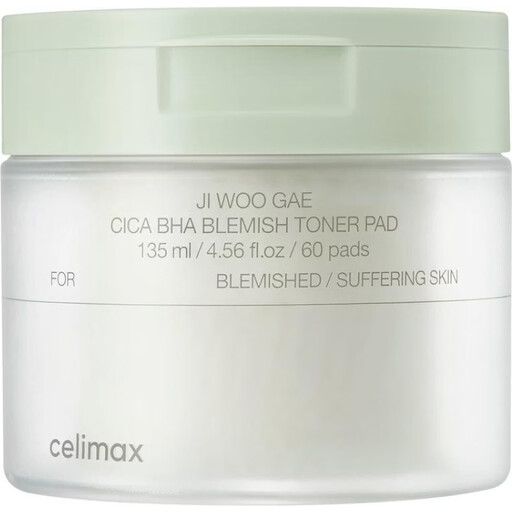
Why this product suits this profile: With 60 pads, this is a compact toner pad pack for beginners who want to add BHA, Centella Asiatica and panthenol to their routine.
The product description clearly states that it contains BHA and explains how often to use it. Even so, check the current INCI list before buying, as formulas can change.
60 pads, a soft pad texture, plus Centella Asiatica and BHA, according to the product details.
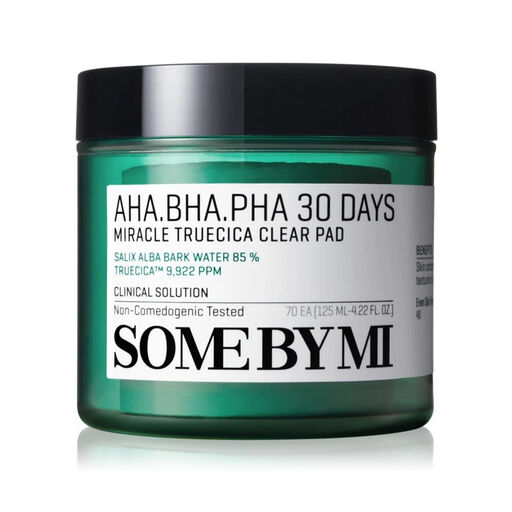
Why this product suits this profile: The combination of AHA, BHA and PHA will appeal to fans of Korean skincare who want to compare different approaches to exfoliation in one product.
The product description lists the types of acid, the two sides of the pads and the recommended use. Claims about a “healing” effect shouldn’t be taken as medical promises.
70 pads, a textured side and a smooth side, plus Truecica and an acid complex, according to the manufacturer.
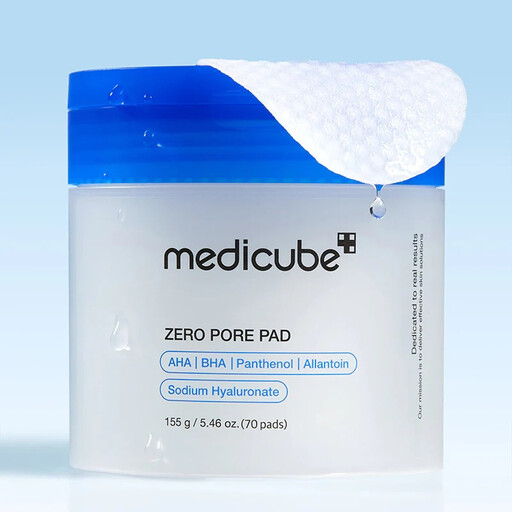
Why this product suits this profile: The PHA formula is designed for gentler exfoliation and, according to the product description, is offered for sensitive, combination and mature skin.
Rather than listing a broad combination of acids, the product identifies PHA as its key active ingredient. A patch test is still a good idea if your skin is very sensitive.
70 pads, a dual texture, PHA, plus panthenol and purslane extract, according to the product description.
Start by using the pads once or twice a week and see how your skin responds. Stop using them if you experience burning, swelling, persistent redness or itching. If you have significant skin concerns, it’s better to seek advice from a dermatologist than to intensify your exfoliation on your own.
We’ve put together a complete, regularly updated list of products that meet these strict selection criteria and fully comply with the safety regulations in force in the EU.
It depends on the active ingredient, its concentration, the pad texture and your skin’s condition. If you’re new to exfoliating pads, start by using them once or twice a week. Only use them daily if this is specifically recommended and your skin tolerates it well.
Some products, such as PHA exfoliating pads, are designed for gentler exfoliation. However, there’s no guarantee that they’ll suit your skin. Check the INCI list, do a patch test and don’t use pads on broken or severely irritated skin.
Check the period-after-opening symbol on the packaging. Some products state that they last for six months after opening. Always close the lid tightly to stop the soaked pads from drying out.