
Lieferung heute & morgen

Qualitätsgarantie

Willkommens-Angebote freischalten: KOSTENLOSE Lieferung | Bis zu 80 % RABATT | Kostenlose 30-Tage-JoyPlus-Testphase
App herunterladen
A facial exfoliator can remove dead skin cells, leave the skin’s surface looking smoother and prepare it for subsequent skincare. The choice ranges from physical exfoliators with jojoba wax or silica particles to leave-on formulations containing fruit acids. This variety is exactly what makes buying a challenge: a product that seems suitable for oily skin may be too intensive for dry or sensitive skin.
The term “gentle” does not describe a legally defined ingredient standard. Despite containing small particles, a physical exfoliator can irritate the skin if too much pressure is applied. A chemical facial exfoliator containing acids may work more evenly when used correctly, but it is not automatically suitable for every skin type either.
The key factors are:
Claims such as “professional facial exfoliator”, “clinically developed” or “for all skin types” should not be assessed in isolation. Instead, check the ingredients list on the packaging. Formulations can change; the current labelling of the individual product is what matters.
Specific brand claims must be clearly attributed: According to a Murad clinical study, accelerated cell renewal is cited for one product. This information refers to the manufacturer’s details and does not represent a general guarantee of efficacy for every skin type.
Using a product more frequently does not automatically lead to a more even-looking complexion. Expectations should remain realistic, particularly with an exfoliator for blemish-prone skin or an exfoliator for acne scars: a cosmetic product can affect the appearance of the skin’s surface, but it is not a substitute for a dermatological assessment. Avoid exfoliating if you have active inflammation, open areas or persistent irritation.
Physical products may contain jojoba wax, cellulose, sugar, silica or other particles. They are generally applied to damp skin and then rinsed off. Keep the pressure light. This option is suitable for people who prefer a short application and a texture that can be washed off immediately.
A chemical facial exfoliator often uses AHA, BHA, PHA or fruit acids. Glycolic acid and lactic acid are among the commonly used AHAs, while salicylic acid is a BHA. Gluconolactone is classed as a PHA and is often used in formulations designed for gentler application. With acid-based products, contact time, frequency of use and sun protection are particularly important.
An enzyme facial exfoliator uses enzymatic ingredients or enzymes and is often applied as a mask or cream. Depending on the product, the formulation is rinsed off after a few minutes. This option may be appealing if you want to avoid coarse particles. Even with an enzyme exfoliator, sensitive or irritated skin should be approached with caution, and the product should first be tested on a small area.
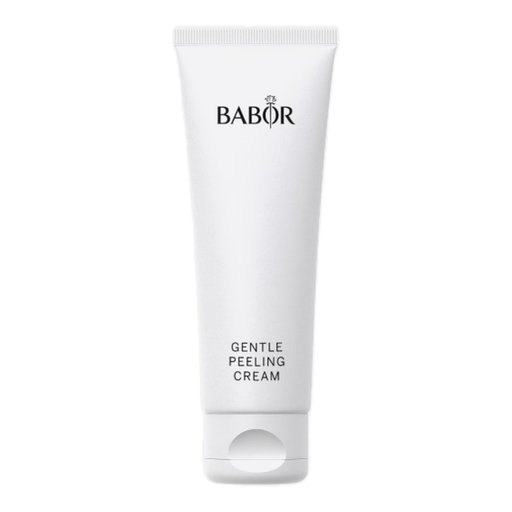
Why this product suits the profile: Apply the cream to dry, cleansed skin once or twice a week, then rinse it off. Jojoba wax and cellulose provide the physical exfoliation.
The recommended frequency and massage time of two to five minutes are clearly specified. This makes it easier to get started in a controlled way.
Indicated for dry and sensitive skin; contains jojoba wax, cellulose, vitamin E, shea butter and almond oil.
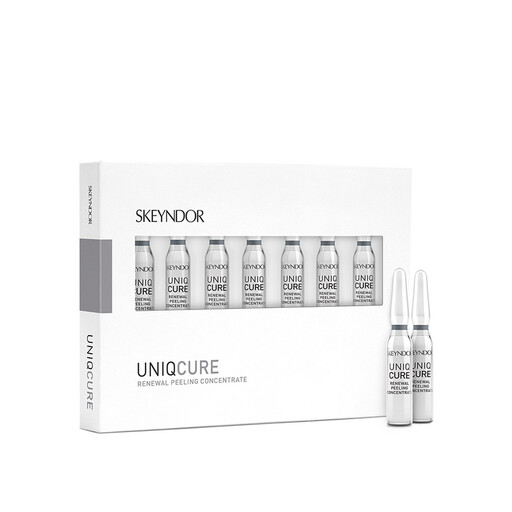
Why this product suits the profile: According to the product description, this leave-on concentrate combines 15% glycolic acid, gluconolactone and phytic acid. Apply it to the face, neck and décolleté using the applicator.
The types of acids and their concentration are clearly stated. This makes it easier to compare the formulation with your existing routine.
Leave-on format with applicator; designed for skin that looks dull and feels rough.
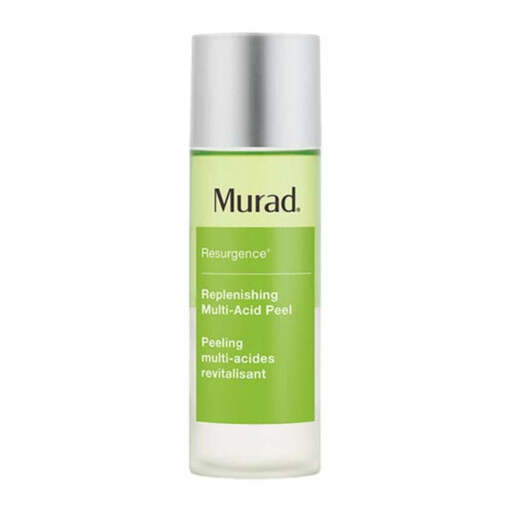
Why this product suits the profile: Shake this two-phase product, apply it in the evening and leave it on without rinsing. According to the manufacturer, it combines AHA, BHA, tranexamic acid and nourishing oils.
The instructions specify evening use, application with a cotton pad and subsequent skincare. The sun protection recommendation highlights the increased photosensitivity associated with AHA.
100 ml contents; combines several types of acid with glycerin, sodium hyaluronate and nourishing oils.
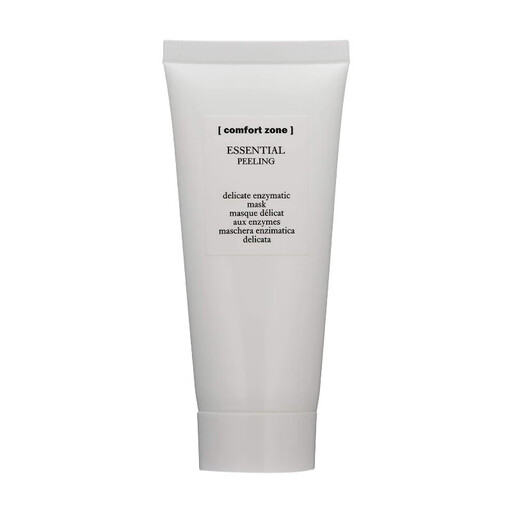
Why this product suits the profile: According to the product information, use this enzymatic mask less frequently on sensitive skin: approximately once every two weeks. For normal skin, it is intended for use once or twice a week.
The lower frequency recommended for sensitive skin reduces the risk of turning a skincare product into an overly intensive routine.
Enzymatic mask texture; according to the product description, contains betaine, panthenol and glycerin.
We have put together a complete, regularly updated list of products that fully meet these strict selection criteria and the safety regulations applicable in the EU.
Only apply a facial exfoliator to cleansed skin, never to injured, sunburnt or severely irritated areas. Avoid the eye and lip areas. Test a new product on a small area of skin first. Stop using it if you experience burning, redness, itching or persistent discomfort.
Shelf life is determined by the best-before date and the period-after-opening symbol on the packaging. Close tubes and bottles after every use and store them in a cool, dry place away from direct sunlight. An exfoliator should not automatically be used every day; follow the product instructions and pay attention to how your skin reacts.
This depends on the formulation and your skin type. Physical or enzymatic products are often used once or twice a week. If you have sensitive skin, leaving a longer gap between applications may be advisable. Acid-based leave-on products should be used strictly according to the relevant instructions.
Pay attention to the type of exfoliator and any BHA ingredients such as salicylic acid. Clogged pores can be treated cosmetically at the surface; if you have inflammatory or recurring skin problems, dermatological advice is recommended. Vigorous rubbing can irritate the skin further.
Cosmetic exfoliators can temporarily affect the appearance of skin texture and discolouration. This does not mean they provide a permanent treatment for scars or deeper skin changes. If you have pronounced acne scars, discuss the appropriate approach with a doctor.