
Lieferung heute & morgen

Qualitätsgarantie

Willkommens-Angebote freischalten: KOSTENLOSE Lieferung | Bis zu 80 % RABATT | Kostenlose 30-Tage-JoyPlus-Testphase
App herunterladen
A facial exfoliator can help remove dead skin cells and leave the skin’s surface feeling smoother. Choosing the right one can be tricky, though. Chemical, enzymatic and mechanical formulas differ considerably in their ingredients, application times, recommended frequency of use and suitability for different skin types.
If you focus only on terms such as ‘Radiance’, ‘Clear Skin’ or ‘Anti-Aging’, you could miss important details. The tips below will help you assess marketing claims and choose an exfoliator to suit your skin type.
A high acid content, coarse exfoliating particles or a long application time can put more strain on your skin. Using a facial exfoliator for sensitive skin, dry skin or skin with visible redness calls for a particularly gentle approach.
For example, a chemical facial exfoliator may contain AHA, BHA or PHA acids. An AHA facial exfoliator with glycolic or lactic acid is used differently from a mechanical exfoliator containing silica, jojoba wax or cellulose.
A general suitability claim tells you little about how your skin will respond. Check the INCI list, especially for:
An enzymatic exfoliator may also contain mechanical particles. The product description alone doesn’t always tell you everything about how it works.
Recommended frequency varies by product, from once every two weeks to several times a week. Daily use isn’t automatically a good idea. Always follow the manufacturer’s instructions, particularly when using a glycolic acid exfoliator or a combination of AHA, BHA and PHA.
Acid-based products can make your skin more sensitive to the sun. Using a suitable sunscreen during the day is therefore an important part of your skincare routine.
Chemical exfoliators use acids to loosen dead skin cells. AHA acids such as glycolic or lactic acid are often used for skin that looks uneven or dull, or has dry, flaky patches. BHA, usually salicylic acid, is often used for skin with pores that appear clogged and blemishes. PHA, such as gluconolactone, is another group of acids with a different molecular structure.
Enzymatic exfoliators use enzymes such as papain. They’re often sold as creams or masks and usually need to be left on for a set amount of time. If you’re looking for an exfoliator for radiant skin, check the conditioning ingredients as well as the word ‘Radiance’.
Mechanical exfoliators contain abrasive particles. Fine, even particles and a gentle massage are generally easier to control on sensitive skin than coarse grains. Avoid rubbing skin with active blemishes, irritation or damage.
A product designed for weekly use will have different instructions from an overnight product. Check whether you need to rinse the exfoliator off, how long to leave it on, and whether it should be applied to dry or damp skin.
The products in this selection range from 30 to 150 ml. A smaller pack can be a good choice if you’re new to exfoliators, while larger tubes may offer better value if you use them regularly. It depends on the recommended amount and frequency of use.
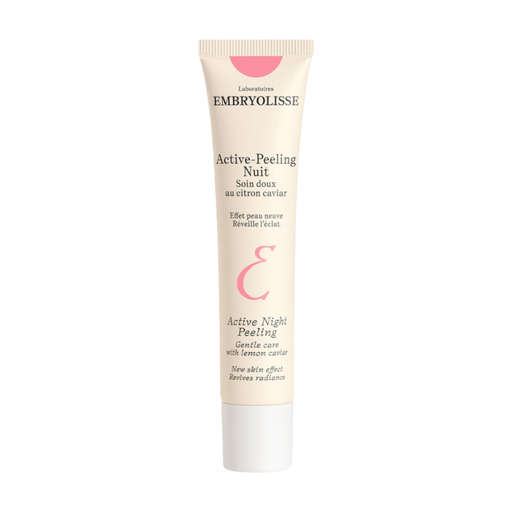
Why it suits this profile: This creamy night-time treatment may appeal if you’re looking for an exfoliator that doesn’t need to be rinsed off separately. According to the product description, the formula contains fruit acid from caviar lime extract, as well as plant oils and butters.
It’s described as part of an evening routine. Still, check the instructions and the current packaging rather than assuming it’s suitable for daily use.
40 ml, a creamy texture, fruit acid and conditioning lipids in the listed formula.
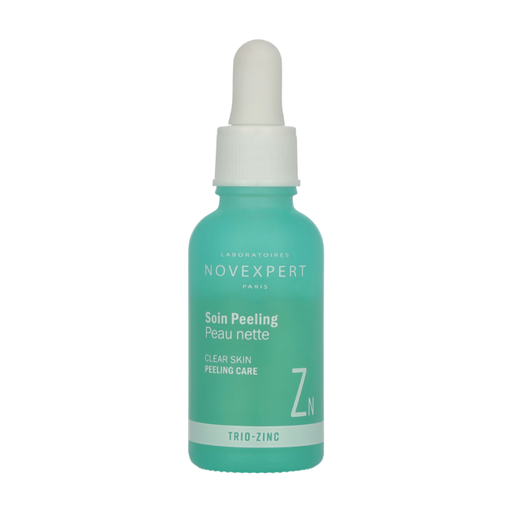
Why it suits this profile: A good choice for shoppers who prefer a short, clearly defined course of treatment. The listed ingredients include lactic acid, gluconolactone, zinc compounds, glycerin and sodium hyaluronate.
The description recommends evening use over the course of a month and highlights the need for sun protection. This makes it easier to plan than an unclear ‘as needed’ dosage.
30 ml, a COSMOS Organic claim according to the product description, and several humectants.
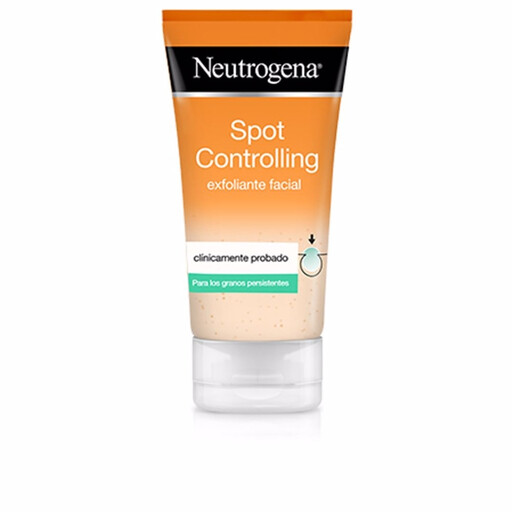
Why it suits this profile: The 150 ml size is aimed at people who want to use an exfoliator regularly for blemish-prone skin or skin prone to clogged pores.
The product description mentions an exfoliating gel texture and use for blemishes. Avoid rubbing over inflamed or irritated areas.
150 ml and a product description focused on blemish-prone skin.
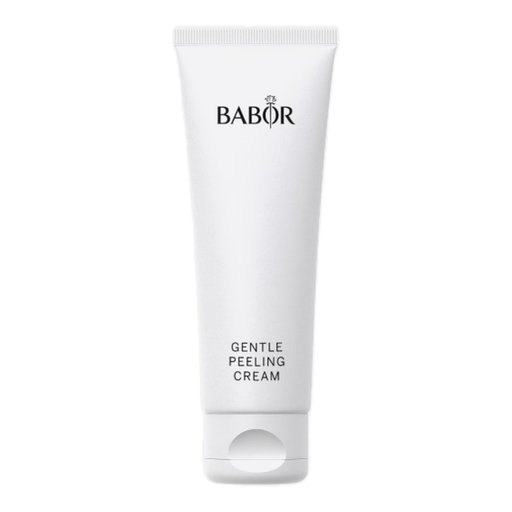
Why it suits this profile: According to the product description, the cream contains jojoba wax, cellulose, vitamin E, almond oil, shea butter and a probiotic ingredient.
Use is listed as once or twice a week, with a longer interval recommended for sensitive skin. This helps prevent overuse by default.
50 ml, described as vegan, with mechanical exfoliating particles made from jojoba wax and cellulose.
If burning, itching, a rash or severe redness persists, rinse the product off and stop using it. If you have recurring skin problems, it may be worth seeking advice from a dermatologist. A professional facial peel should only be carried out following an individual assessment by a qualified practitioner.
We’ve put together a complete, regularly updated list of products that meet these strict selection criteria and fully comply with the safety regulations in force in the EU.
It depends on the active ingredients, texture and your skin type. Many products are intended for use once or twice a week. If you have sensitive or dry skin, leaving a longer gap between applications may be a good idea. Always follow the instructions on the packaging.
There’s no one-size-fits-all answer. A mildly formulated product with a short application time may be suitable, while highly concentrated acids or using several active ingredients at once may cause more irritation. It’s a good idea to do a patch test and introduce the product gradually.
Not all blemish-prone skin tolerates mechanical rubbing. Check whether the product contains BHA, AHA, PHA or abrasive particles, and avoid applying it to inflamed or damaged areas. If blemishes are severe or persistent, seek advice from a dermatologist.