
Lieferung heute & morgen

Qualitätsgarantie

Willkommens-Angebote freischalten: KOSTENLOSE Lieferung | Bis zu 80 % RABATT | Kostenlose 30-Tage-JoyPlus-Testphase
App herunterladen
A facial exfoliator can help lift away dead skin cells and leave the skin’s surface looking smoother. But choosing one can be tricky: a product with strong acids won’t suit every skin type, and using an exfoliator every day isn’t always a good idea. If you focus only on claims such as “glow”, “resurfacing” or “anti-ageing”, you may miss important details about concentration, how long to leave it on and how well your skin is likely to tolerate it.
AHA, BHA and PHA exfoliators differ in their chemical structure and how they’re used. A strong chemical exfoliator may suit robust, non-sensitive skin, while a PHA exfoliator is often chosen as a gentler option. However, you should always check the full INCI list, the exact concentration and the manufacturer’s instructions.
A product description that says “for all skin types” doesn’t guarantee that it will suit your skin. Fragrance, alcohol, several acids or abrasive particles may be problematic for sensitive or irritated skin. When choosing an exfoliator for sensitive skin, consider short contact times, a gentle formula and a patch test.
Retinol, vitamin C, salicylic acid and various AHAs may add extra stress to your skincare routine. Combining several active products increases the risk of dryness, redness or stinging. So, assess an anti-ageing exfoliator as part of your overall facial skincare routine, rather than in isolation.
When choosing a facial exfoliator for pigmentation, it’s also important to distinguish between improving the appearance of your skin and medical treatment. Cosmetic products may target the appearance of uneven skin tone, according to the manufacturer, but they don’t replace a dermatological assessment.
A leave-on product isn’t rinsed off after application, whereas a rinse-off exfoliator is removed after a set time. These instructions aren’t interchangeable. For example, according to its product description, bareMinerals Ageless Phyto-AHA Radiance Facial is left on for 15 to 20 minutes and then rinsed off with lukewarm water. The PHA Resurfacing Glow Peel should be left on for 10 to 15 minutes.
The number of millilitres or pieces in a pack doesn’t tell you much on its own about value for money. A 30 ml concentrate may last longer when used sparingly than a pad product used every day. So check:
When using products containing acids, it’s a good idea to wear sunscreen with an adequate SPF during the day, as AHAs can increase sensitivity to sunlight. Don’t apply products to broken, sunburnt or acutely irritated skin.
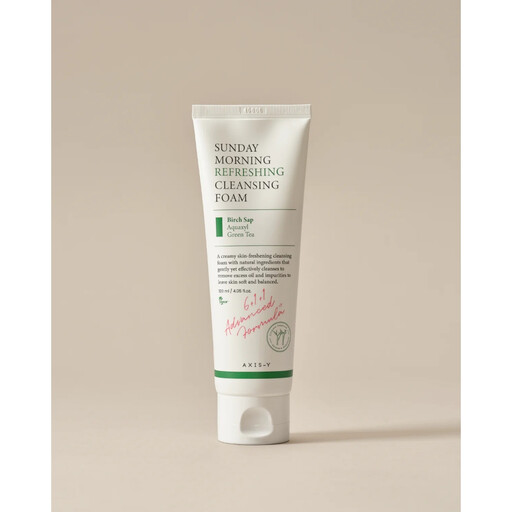
Why this product suits this profile: Its gel-water texture and 10% gluconolactone, according to the product description, offer a clear introduction to PHA exfoliation.
The active ingredient is specified more clearly than a simple “glow” claim. Even so, follow the recommended contact time and carry out a patch test.
10% gluconolactone, 50 ml, rinse off after 10 to 15 minutes according to the product information.
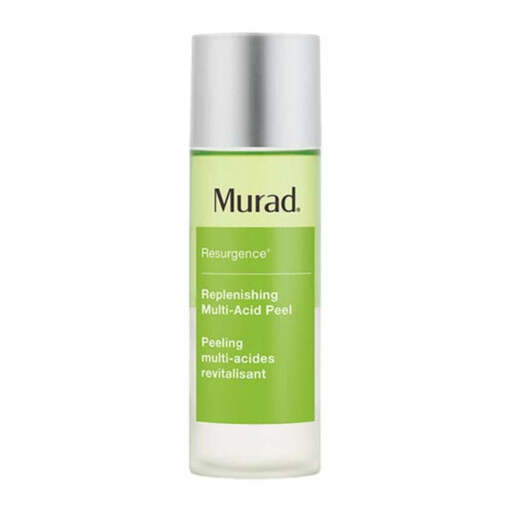
Why this product suits this profile: According to the product description, its two-phase formula combines glycolic, lactic and malic acids with salicylic acid and nourishing oils.
The active ingredient groups and daily evening use are clearly described. If you have sensitive skin, it’s best to introduce it gradually.
Several types of acid in one formula, 100 ml according to the product name, and no need to rinse off according to the directions.
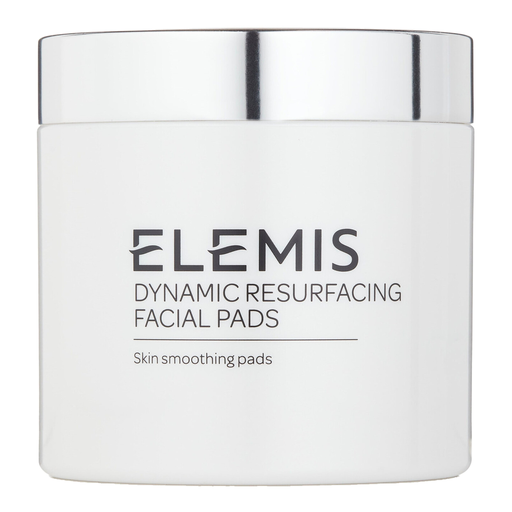
Why this product suits this profile: Individually portioned pads make it easier to control your routine and suit anyone who prefers a quick application without measuring out a dose.
The pre-measured portions reduce the risk of applying too much product. If you use it every day, keep an eye on how your skin responds.
60 pads, lactic acid and enzymes according to the INCI list, and no need to rinse off according to the product description.
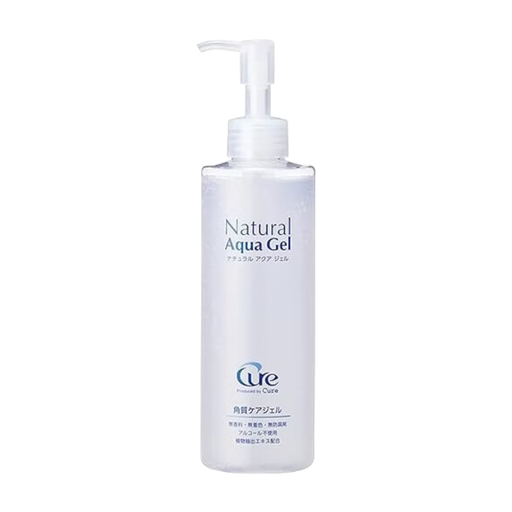
Why this product suits this profile: According to the product description, the gel is free from fragrance, colourants, parabens and alcohol, and can be used without vigorous rubbing.
Its simple ingredient list makes it easier to decide whether it may suit you. An individual reaction is still possible, so stop using it if you experience stinging.
250 g, suitable for face and body according to the product information, and applied to dry skin.
We’ve put together a complete, regularly updated list of products that meet these strict selection criteria and fully comply with the safety regulations in force in the EU.
If redness, swelling, severe stinging or a rash persists, rinse off the product and stop using it. If you’re unsure or have an existing skin condition, seek medical advice.
It depends on the active ingredient, concentration and your skin type. The manufacturer may recommend using a mild product more often, while a stronger AHA exfoliator may be intended for use once or a few times a week. How your skin responds matters more than following a general schedule.
Products containing PHA or a reduced combination of active ingredients may be worth considering. Look for short contact times, no abrasive particles and a manageable INCI list. However, “for sensitive skin” doesn’t guarantee that a product will suit you personally.
According to product descriptions, cosmetic exfoliators can improve the appearance of uneven texture, blemishes or an uneven skin tone. Results depend on your skin’s condition, how you use the product and whether you wear sunscreen. If pigmentation is new, changing or pronounced, seek a dermatological assessment.