
Lieferung heute & morgen

Qualitätsgarantie

Willkommens-Angebote freischalten: KOSTENLOSE Lieferung | Bis zu 80 % RABATT | Kostenlose 30-Tage-JoyPlus-Testphase
App herunterladen
A facial exfoliator can remove dead skin cells and leave your skin feeling smoother. But choosing one isn’t always straightforward: facial exfoliating gels, chemical exfoliants, enzyme exfoliators and exfoliating pads can differ significantly in their ingredients, how you use them and how well your skin tolerates them.
If you focus only on claims such as “glow”, “refined pores” or “gentle deep cleansing”, you could miss some important details. Here are three common pitfalls to watch out for when choosing and using an exfoliator:
A physical facial exfoliator may contain ingredients such as cellulose or microparticles, which you gently move over the skin. An exfoliating gel may visibly roll or clump as you massage it in, but not every visible fibre is necessarily made up of dead skin cells. The gel base can also create this effect.
A chemical exfoliant uses acids. AHA, such as lactic acid, works mainly on the skin’s surface, while BHA, such as salicylic acid, is more often formulated for oily, congested skin. PHA, such as gluconolactone, is a group of larger-molecule acids used in many formulations for gentler exfoliation. However, how well your skin tolerates a product also depends on its concentration, pH and other ingredients.
An enzyme exfoliator uses enzymes such as papain or protease. It usually works without vigorous rubbing, so it may appeal if you want to avoid physical exfoliating particles.
If you have sensitive skin, check for fragrance, denatured alcohol, essential oils and combinations of acids. “Suitable for sensitive skin” is a manufacturer’s claim, not a substitute for checking how your own skin reacts. It may be worth patch-testing the product on a small area before applying it more widely for the first time.
For oily or blemish-prone skin, ingredients such as Zinc PCA, niacinamide, PHA or BHA may be worth looking for. However, they shouldn’t be seen as a guarantee that skin concerns will improve. If you also use retinoids, strong acids or other exfoliating products, plan your routine particularly carefully.
Depending on the product, you may need to apply an exfoliator to dry or damp skin, rinse it off or leave it on as a pad. These differences matter:
The selection below compares products by format, ingredients and typical uses rather than making blanket claims.
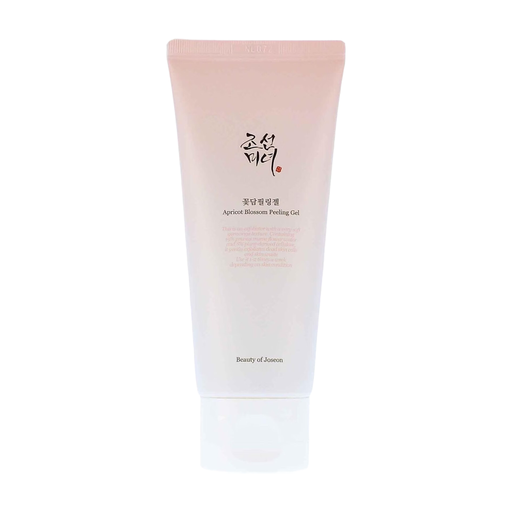
Why this product suits this profile: The gel format is easy to use and doesn’t need to be left on the skin. According to the product description, it contains 19 % Prunus-Mume flower water and 8 % plant-derived cellulose.
The instructions are clear: massage for around 20 seconds, then rinse off. Even so, use only light pressure.
Gel texture, 100 ml size and plant-derived cellulose to help exfoliate the skin physically.
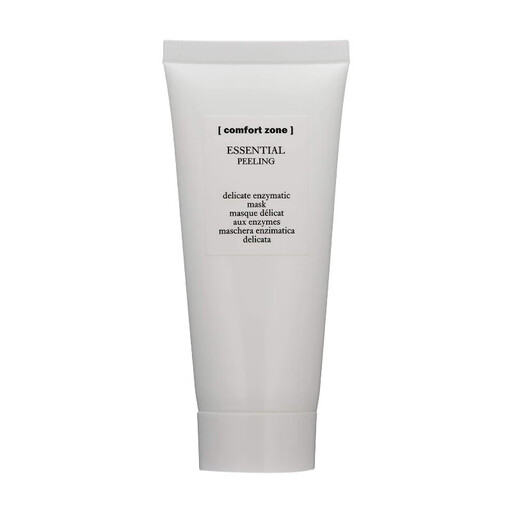
Why this product suits this profile: This enzymatic mask is designed to fit into a more structured weekly skincare routine. According to the product description, it contains 96 % ingredients of natural origin and is vegan.
The recommended frequency varies according to skin type: once or twice a week for normal skin, and less often for sensitive skin.
Enzymatic mask format with betaine, panthenol and glycerin; 60 ml size.
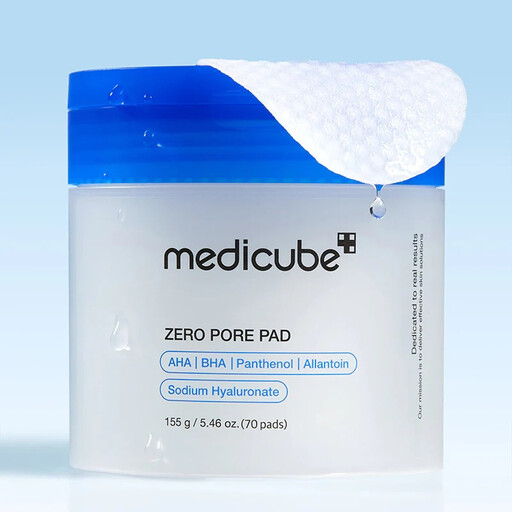
Why this product suits this profile: Pre-soaked pads are handy if you prefer a quick step after cleansing. According to the product description, the mild version is based on PHA and has two differently textured sides.
According to the product information, PHA is used here instead of stronger acids. Still, glide the pad gently over your skin and stop using it if irritation occurs.
70 pads, a PHA formula, and one embossed and one smooth side on each pad.
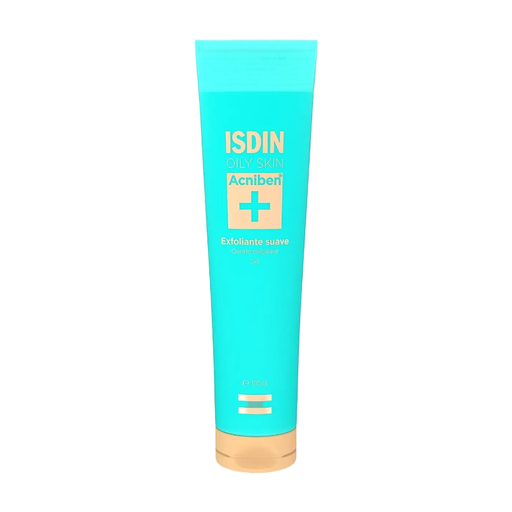
Why this product suits this profile: According to the product information, the gel contains natural microparticles and Zinc PCA. It is described as suitable for sensitive, oily and blemish-prone skin.
The particles are clearly identified, so the product won’t be mistaken for an acid exfoliant. It contains fragrance, which is worth bearing in mind if your skin is sensitive to it.
100 ml gel with natural microparticles and Zinc PCA listed as ingredients.
We’ve put together a complete, regularly updated list of products that meet these strict selection criteria and comply fully with the safety regulations in force in the EU.
It depends on the type of product and how well your skin tolerates it. You may be able to use a mild exfoliator more often, depending on the manufacturer’s instructions, while a chemical exfoliant or enzymatic mask is often best started once or twice a week. If you have sensitive skin, leave a longer gap between uses. Follow the instructions on the packaging and pay attention to how your skin reacts.
There’s no one-size-fits-all answer. PHA products are often positioned as a gentler option, while AHA and BHA can have a more intensive effect depending on their concentration and formulation. Fragrance, alcohol and physical rubbing can also make a difference. If you’re choosing a facial exfoliator for sensitive skin, test it on a small area first.
An exfoliator can remove flakes, excess sebum and surface residue. This may temporarily leave your skin looking more even and make pores less noticeable. However, a cosmetic product can’t permanently change the size of your pores. If you have persistent skin concerns, it’s worth seeking advice from a dermatologist.