
Lieferung heute & morgen

Qualitätsgarantie

Willkommens-Angebote freischalten: KOSTENLOSE Lieferung | Bis zu 80 % RABATT | Kostenlose 30-Tage-JoyPlus-Testphase
App herunterladen
A facial exfoliator can smooth rough patches, remove dead skin cells and complement your skincare routine. The options range from physical exfoliators to a chemical facial exfoliator and enzyme facial exfoliator. That variety can make choosing the right one confusing.
If you focus only on terms such as ‘glow’, ‘deep cleansing’ or ‘anti-ageing’, you can easily overlook important details. Three common buying misconceptions are particularly worth bearing in mind:
A physical exfoliator may contain cellulose, jojoba wax, sugar, rice starch or other particles. Apply it and spread it over the skin using gentle pressure. Avoid rubbing if you have active blemishes, irritated skin or open cuts.
A chemical facial exfoliator uses acids or other exfoliating ingredients:
Always check the full INCI list on the packaging, as formulas can change.
For dry skin, creamy formulas with glycerin, panthenol, oils or skin-conditioning lipids are often more practical than products that strip away too much oil. If you have sensitive skin, choose a facial exfoliator for sensitive skin that avoids harsh scrubbing and can be used at a manageable frequency.
If you’re looking for a facial exfoliator for blemishes, distinguish between individual blemishes, congested pores and widespread redness. An exfoliator is a cosmetic skincare product and isn’t a substitute for a dermatological assessment. Stop using it if your skin is inflamed, broken or very irritated.
Directions vary considerably from one product to another. Some products are rinsed off after a few minutes, while others are left on overnight or used daily. So ‘daily’ in a product description doesn’t automatically mean it’s right for everyone.
AHA and multi-acid products can make your skin more sensitive to the sun. It’s a good idea to use suitable sun protection during the day. Avoid the eye and lip areas, broken skin and areas that have recently become irritated. If you experience burning, persistent redness, itching or a rash, wash the product off and stop using it.
The recommendations below group products according to clear criteria, such as exfoliator type, ingredients, stated skin type and directions for use. They aren’t ranked.
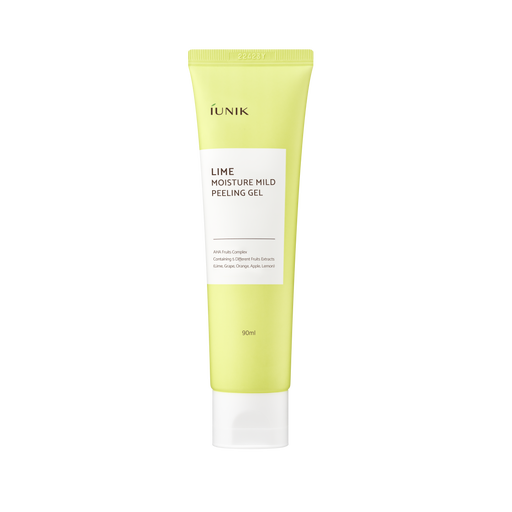
Why this product suits this profile: Apply the gel to dry, cleansed skin, massage gently and rinse off. The recommended use of once or twice a week makes it a manageable choice if you’re just getting started.
The product description highlights a gentle gel texture and advises against use on broken or irritated skin. However, check the INCI list for fragrance and lavender essential oil.
90 ml size, glycerin and Centella asiatica extract; stated as suitable for all skin types in the product information.
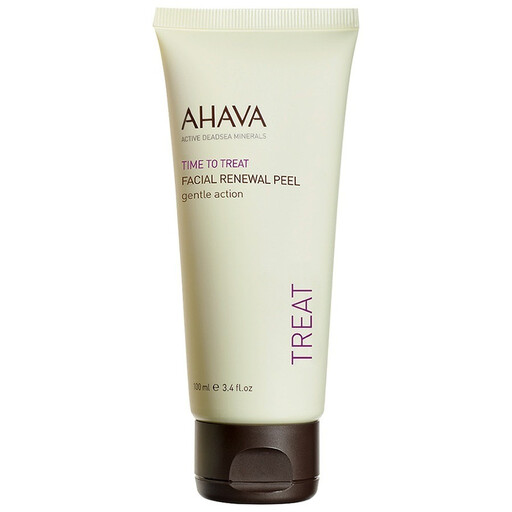
Why this product suits this profile: According to the product information, the formula combines glycolic, lactic and salicylic acids with glycerin, panthenol and allantoin. It’s aimed at shoppers who prefer several exfoliating ingredients in one product.
The instructions recommend leaving it on for five to ten minutes, starting with three minutes, and using it once or twice a week. This helps limit overuse, unlike a blanket recommendation for daily use.
100 ml size and a combination of AHA and BHA acids. The product description specifically mentions sun protection and possible reactions.
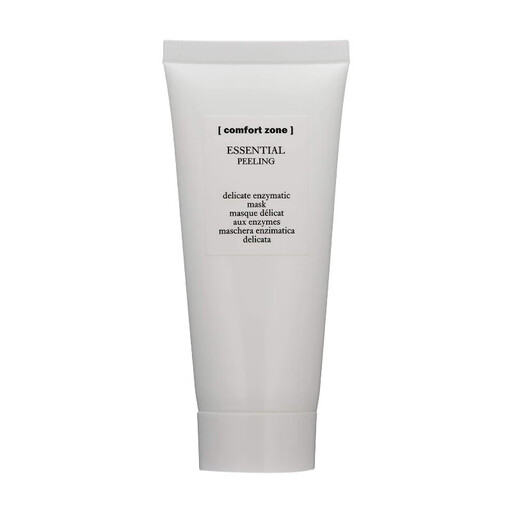
Why this product suits this profile: Apply the enzyme mask to dry skin for around ten minutes. For sensitive skin, the product description recommends using it once every two weeks.
The recommended frequency varies according to skin type. This helps prevent general advice such as ‘regularly’ from being mistaken for daily use.
Enzyme mask format, 60 ml size, plus betaine, panthenol and glycerin according to the product description.
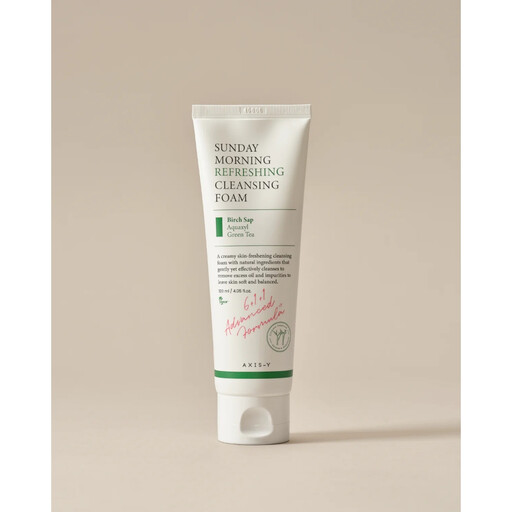
Why this product suits this profile: According to the product information, the gel contains 10% gluconolactone and should be left on dry skin for ten to 15 minutes. It’s worth considering if you’re looking for a clearly defined PHA product.
The concentration and leave-on time are clearly stated. The advice about irritated skin and the eye area still applies, and you should stop using it if a rash develops.
50 ml size, 10% gluconolactone and additional plant extracts, including cucumber and Centella asiatica, according to the INCI list.
We’ve put together a complete, regularly updated list of products that meet these strict selection criteria and fully comply with the safety regulations in force in the EU.
It depends on the type of product and how your skin reacts. Many physical or gentle gel exfoliators are used once or twice a week. If you have sensitive skin, leaving a longer gap between uses may be a good idea. Always follow the manufacturer’s specific instructions.
Creamy formulas containing humectants such as glycerin or panthenol are often a good option for dry skin. AHA products containing lactic acid are often chosen for dry, rough skin. A short leave-on time followed by moisturiser can help keep your routine manageable.
An exfoliator can loosen surface flakes and certain build-ups. For facial exfoliators for clogged pores, BHA is often considered because salicylic acid is oil-soluble. However, don’t treat visible or recurring blemishes aggressively. If the problem persists, seeking advice from a dermatologist is more suitable than stepping up your exfoliating routine.