
Lieferung heute & morgen

Qualitätsgarantie

Willkommens-Angebote freischalten: KOSTENLOSE Lieferung | Bis zu 80 % RABATT | Kostenlose 30-Tage-JoyPlus-Testphase
App herunterladen
A facial gel moisturiser can be a practical alternative to rich creams: its texture is usually easy to spread, often absorbs quickly and may work well under sun cream or make-up. However, not every facial moisturising gel is suitable for every skin type.
When shopping online in particular, eye-catching advertising claims, unclear ingredient information or incorrect skin-type recommendations can quickly lead to disappointing purchases. The following criteria can help you assess marketing claims objectively and choose a suitable hydrating facial gel.
A gel-like texture can feel pleasant and non-greasy. However, this says little about how well the product will be tolerated. Fragrances, essential oils, alcohol or cooling ingredients such as menthol may not be suitable for some skin types. If you have sensitive skin, you should therefore check the complete INCI list and first test new products on a small area of skin.
An oil-free facial gel may be appealing for oily or combination skin, but it still needs to contain enough humectants. Ingredients such as Glycerin, Sodium Hyaluronate, Trehalose or Propanediol bind water in the upper layers of the skin. A matte finish alone does not mean that the skin will remain comfortably moisturised in the long term.
Terms such as “anti-ageing”, “firming” or “energy” often describe how a product is positioned. They should not be taken as a guarantee of a particular result. When choosing an anti-ageing facial gel, it is worth looking for specifically named ingredients such as hyaluronic acid, niacinamide, vitamin E derivatives or ceramides. The effect depends on the formulation, how it is used and your individual skin.
The order of the ingredients provides a rough indication of their proportion in the formulation. For example, glycerin appearing near the beginning of the list suggests that it has a significant role as a humectant. Ceramides, cholesterol and phytosphingosine may be worth looking for when choosing barrier-focused skincare. Plant extracts such as aloe vera, Centella asiatica or chamomile, on the other hand, are not automatically suitable for every sensitive skin type.
If you are looking for an aloe vera gel for the face, you should also check whether it contains aloe juice, aloe extract or a blend with many other ingredients. According to the product information, Dr.Orga contains a high proportion of aloe; before buying, the current packaging information should be checked against the online description.
A 50 ml jar and a 180 g container cannot be compared directly. If necessary, calculate the price per 100 ml or 100 g. A pump dispenser can make measuring out the product easier, while a jar requires hygienic removal. A small amount is usually enough for the face and neck. Applying too much product can encourage pilling under sun cream or make-up.
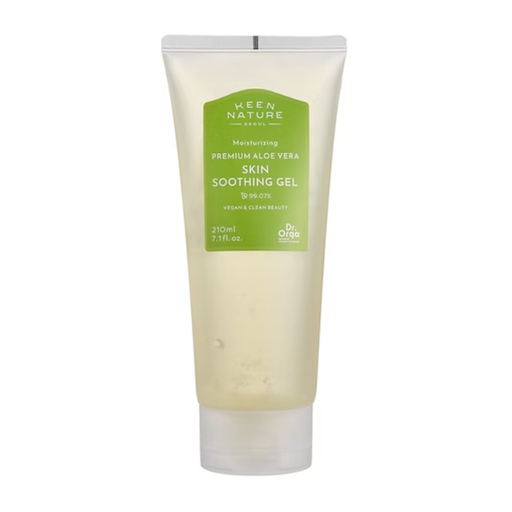
Why this product suits this profile: The larger quantity and gel-like aloe formulation are ideal for people looking for straightforward moisturising care for the face and neck.
The product information lists a high proportion of Aloe Barbadensis leaf juice, along with glycerin and propanediol. Check the current packaging before buying and carry out a patch test if you have sensitive skin.
210 ml contents; Aloe Barbadensis leaf juice, glycerin and several plant extracts according to the product description.
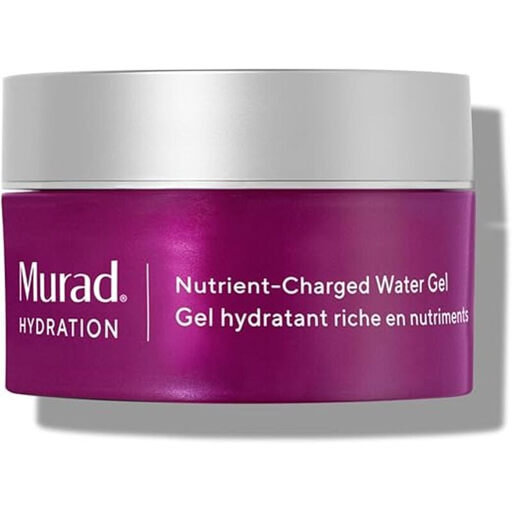
Why this product suits this profile: The formulation is aimed at buyers who want an oil-free water gel with a broader selection of moisturising and barrier-supporting ingredients.
The list includes ceramides, cholesterol, glycerin, sodium hyaluronate and niacinamide, among other ingredients. The fragrance included may be an important consideration for sensitive skin.
Oil-free gel base; combination of humectants, ceramides, peptides and vitamin ingredients according to the INCI list.
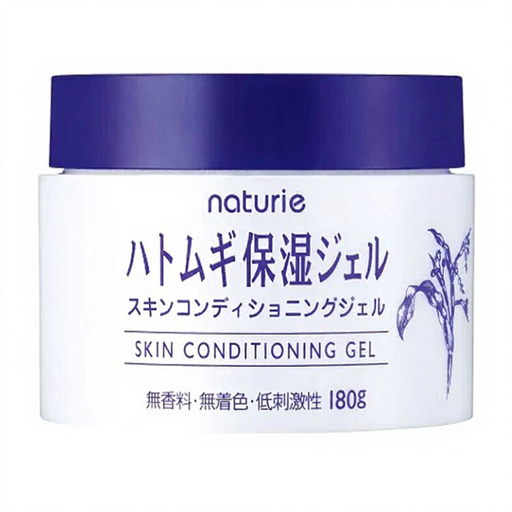
Why this product suits this profile: The generous quantity and intended use on the face and body make this a good choice for frequent users who prefer a versatile moisturising gel.
The product information describes a fragrance-free and colourant-free formulation. If you have known intolerances, you should nevertheless check the current INCI list on the packaging.
180 g contents; according to the product information, suitable for the face and body and usable as a make-up base or moisturising mask.
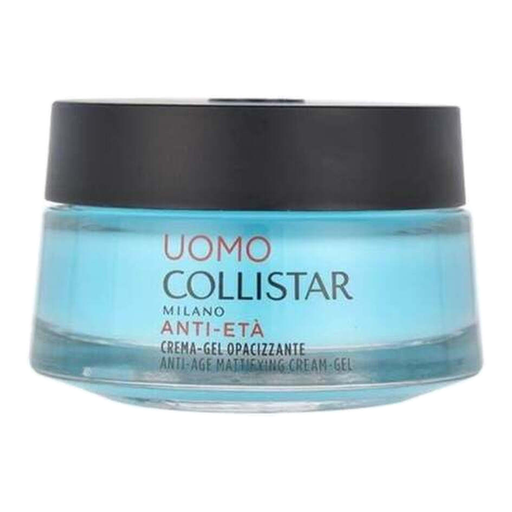
Why this product suits this profile: The combination of a gel-cream texture and mattifying finish is ideal for men who want hydration without a shiny appearance.
The mattifying effect is easier to understand thanks to ingredients such as modified corn starch and silica. Perfume, menthol and salicylic acid require particular consideration if you have sensitive skin.
Gel-cream with a mattifying finish; sodium hyaluronate, glycerin, niacinamide and panthenol in the stated INCI list.
We have put together a complete, regularly updated list of products that fully meet these strict selection criteria and the safety regulations applicable in the EU.
Apply the facial gel moisturiser after cleansing, to slightly dry or still lightly damp skin. A small amount is enough for the face and neck. In the morning, follow with sun cream offering a suitable SPF, as a moisturising gel does not replace UV protection. If you experience shaving irritation, wait until the skin is no longer broken or severely irritated before applying the product.
Yes, provided the formulation contains enough humectants. However, if your skin is particularly dry, a gel may be less rich than a cream. Additional care containing lipids may then be beneficial.
In many cases, yes. Allow the gel to absorb fully, then apply the sun cream evenly. If the products flake or pill, reduce the amount used or try a different combination.
The printed best-before date and the symbol indicating the period after opening, such as “12M”, are the key guides. Keep the product tightly closed, dry and protected from direct sunlight. If its smell, appearance or feel on the skin changes, stop using it.