
Lieferung heute & morgen

Qualitätsgarantie

Willkommens-Angebote freischalten: KOSTENLOSE Lieferung | Bis zu 80 % RABATT | Kostenlose 30-Tage-JoyPlus-Testphase
App herunterladen
The use of light therapy for the face has evolved from a niche treatment in dermatology clinics to an established method for at-home use. An LED mask promises to address various skin conditions, from wrinkle reduction to clearing up blemishes. However, the market is filled with devices whose marketing promises often outweigh their actual performance.
As your Joybuy Product Recommendation Officer, I'm here to help you identify the key features and avoid common purchasing traps. Before you invest in an at-home anti-ageing device, you should be aware of the three most common pitfalls that lead to disappointment.
To make an informed decision, focus on objective, technical features instead of marketing buzzwords. These three parameters are essential for selecting an effective device for facial light therapy.
The colour of the light is directly linked to its wavelength, which determines how deeply it can penetrate the skin. Look for precise specifications from the manufacturer:
red light therapy for the face. It is frequently used in skin rejuvenation devices as it reaches the deeper layers of the skin. An anti-wrinkle LED mask should have a documented red light mode within this spectrum.acne LED mask).A high-quality skin rejuvenation device will list these values transparently on its product data sheet.
The density of the light sources is crucial for an even treatment. A higher number of LEDs placed closely together ensures gapless coverage of the face.
At the same time, the material plays a significant role in both effectiveness and comfort.
A cordless design with a rechargeable battery offers maximum flexibility. You can use the device conveniently without being tied to one location. Check the battery life and charging time to ensure the device fits into your daily routine.
Instead of making a one-size-fits-all recommendation, we have identified products tailored to different needs and use cases.
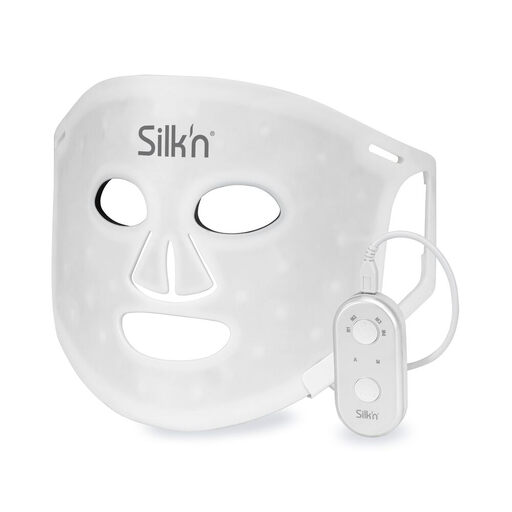
Why This Fits Their Persona: Ideal for users seeking a pure and straightforward light therapy experience. This device focuses exclusively on LED treatment without additional features, making it a streamlined choice for targeted skincare.
The product specifies the wavelengths for all four light colours (e.g., Red: 622 nm, Blue: 463 nm). With 100 LEDs and a soft silicone design, it avoids the pitfalls of vague specifications, poor coverage, and an uncomfortable fit.
Four-in-one light therapy with documented wavelengths; flexible silicone material for high comfort and a good fit; cordless operation.
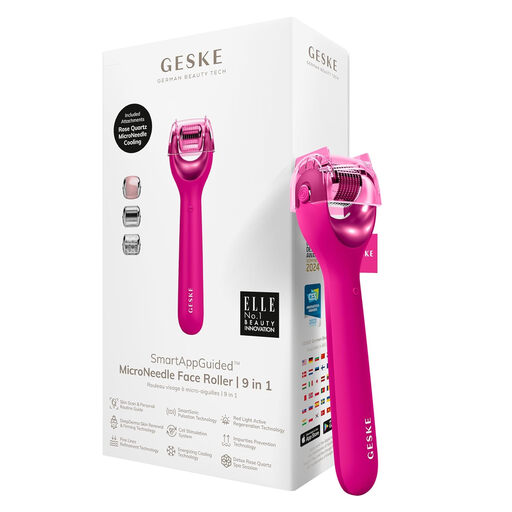
Why This Fits Their Persona: Perfect for users who want an all-in-one device. It combines microneedling technology with red light therapy, making it suitable for those looking to address multiple skincare goals with a single tool.
Instead of being a vague add-on, the "Red Light Active Regeneration Technology" is a clearly defined component of the device. The combination with an app for personalised routines ensures a structured and targeted application.
Combination of microneedling treatment and red light technology; app-guided, personalised routines; versatile with interchangeable attachments.
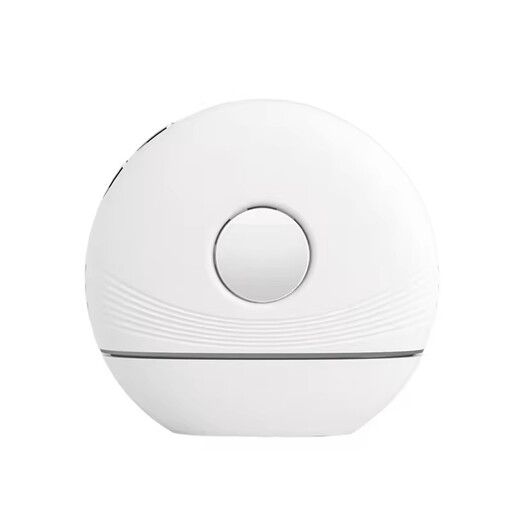
Why This Fits Their Persona: For users who view their skincare routine as a relaxing ritual. This device combines light therapy with heat, cooling, and EMS microcurrent for a comprehensive massage experience that goes beyond a simple LED treatment.
The device clearly defines its three light modes in combination with other functions (Red Light with Heat, Blue Light with Cooling). The ergonomic 85° wave design is engineered for comfort and ease of use, thus avoiding the trap of impractical devices.
Integrates heat and cold therapy with light modes; ergonomic design for face and neck; three adjustable intensity levels for customisation.
We have compiled a complete, up-to-date list of products that fully meet these strict selection criteria and safety regulations.
The recommended frequency of use varies by device. Typically, manufacturers advise three to five sessions per week, each lasting 10 to 20 minutes. It is crucial to follow the specific manufacturer's instructions precisely. Consistency is key to achieving visible results.
Generally, LED masks are suitable for most skin types. However, individuals with known photosensitivity, epilepsy, or those taking photosensitising medications should consult a doctor before use. For very sensitive skin, it is recommended to perform a patch test on a small area of skin before the first full application.
Look for transparent technical specifications such as the wavelength in nanometres (nm) and the number of LEDs. Favour devices made from flexible, skin-friendly materials like medical-grade silicone. A cordless design significantly enhances the comfort of use. Additionally, check if the product has relevant safety certifications and provides contact details for a responsible representative within the EU.