
Lieferung heute & morgen

Qualitätsgarantie

Willkommens-Angebote freischalten: KOSTENLOSE Lieferung | Bis zu 80 % RABATT | Kostenlose 30-Tage-JoyPlus-Testphase
App herunterladen
A facial lotion can be used as a facial toner, toner or preparatory step in your skincare routine. The names aren’t always used consistently, though: some products focus mainly on hydration, while others contain acids for gentle exfoliation or are designed to be used after shaving. So the name of the product matters less than how its ingredients, intended use and suitability match your skin type.
A lotion labelled for all skin types won’t necessarily suit every skin concern. Alcohol, fragrance, menthol or exfoliating acids can feel uncomfortable on dry, sensitive or redness-prone skin. Conversely, a very rich, hydrating facial lotion may leave oily skin feeling heavy.
So check the full INCI list and pay attention to where relevant ingredients appear. Glycerin, Butylene Glycol and Sodium Hyaluronate are often used to help retain moisture. Salicylic acid, lactic acid or glycolic acid, on the other hand, point to an exfoliating or clarifying formula.
Menthol can give a cooling sensation, while alcohol may initially feel light and fresh. But how a product feels on your skin at first says little about how well it will suit you over time. If your skin is dry or sensitive, check products containing Alcohol Denat., fragrance and essential oils particularly carefully.
A product described as an anti-ageing facial lotion or “firming lotion” should also be judged on specific information: which ingredients does it contain, how should it be used, and what safety advice does the manufacturer provide? Cosmetic product descriptions aren’t a substitute for medical advice.
Using more product or applying it more often won’t automatically give you better results. With a peeling lotion or a facial toner containing salicylic acid, it’s sensible to follow the manufacturer’s instructions to start with. Don’t use it on sensitive or damaged skin. A patch test on a small area of skin can help you cautiously assess how well you tolerate it.
First, decide what you want your facial lotion to do:
Before buying, read the product information and pay particular attention to:
Always check the current packaging, as formulas and safety advice may change.
A larger bottle may be better value if you use the lotion every morning and evening. If you’re trying a product for the first time or travel frequently, a 30 to 150 ml size may give you more flexibility. Also check whether the lotion should be applied with a cotton pad, poured into your hands or rinsed off after use. The recommended amount affects how quickly you’ll use it more than the number of millilitres alone.
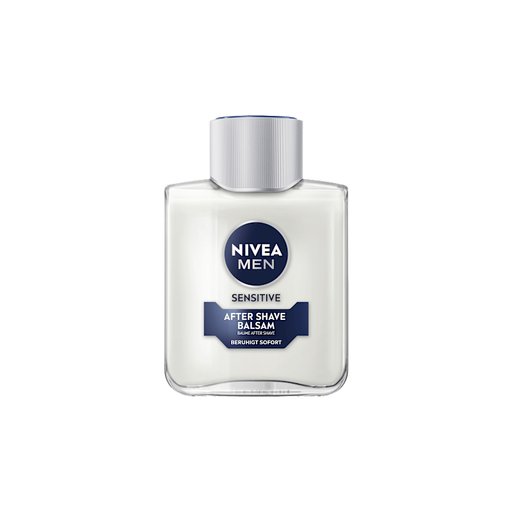
Why it suits this profile: The 100 ml size is manageable, and the product is clearly intended for skincare after shaving. According to the product description, it’s alcohol-free and contains glycerin, panthenol, chamomile extract and witch hazel extract.
Its positioning as an aftershave lotion makes its intended use clear. That helps you avoid accidentally choosing an exfoliating or heavily fragranced facial lotion for everyday basic skincare.
Described as alcohol-free; intended for use on the face and neck after shaving.
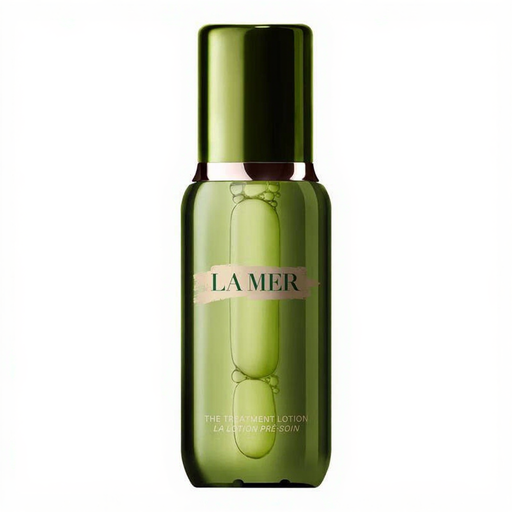
Why it suits this profile: This lotion is intended as a hydrating step after cleansing. The product description mentions seaweed extract, glycerin, mineral compounds and a lightweight texture.
The product information clearly explains when to use it: after cleansing and before serum or cream. This makes it less likely you’ll mistake a lotion for a finishing cream.
150 ml; described as a hydrating lotion and skin conditioner.
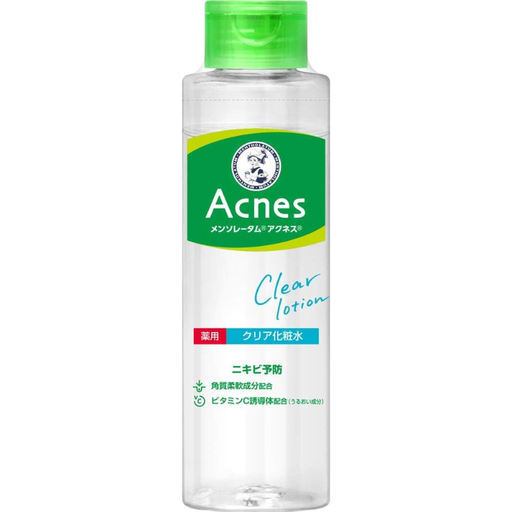
Why it suits this profile: This product is positioned for oily, blemish-prone skincare routines and, according to the description, can be applied with a cotton pad. At 180 ml, it’s designed for regular use.
The product information explicitly lists the acids and alcohol it contains. This lets you check in advance whether this type of formula is right for your skin.
Described as oil-free; apply with a cotton pad after cleansing.
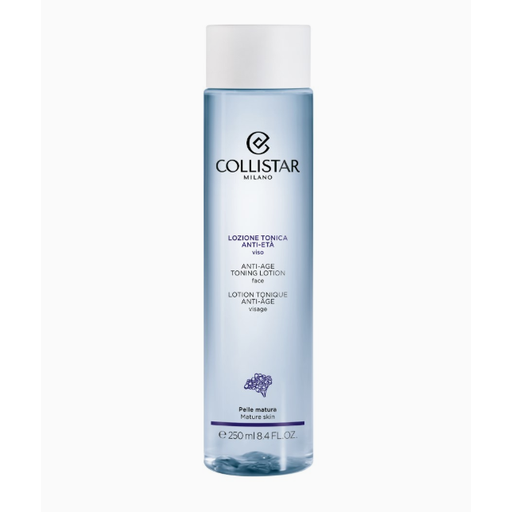
Why it suits this profile: The 250 ml bottle is well suited to a regular toner routine. The stated INCI list includes glycerin, inulin, green tea extract and Sodium Hyaluronate.
The product information covers how to use it, its contents and safety advice. This includes avoiding use on damaged, reddened or eczema-prone skin.
250 ml; intended for use morning and evening after cleansing.
We’ve put together a complete, regularly updated list of products that meet these strict selection criteria and fully comply with the safety regulations in force in the EU.
Stop using the product if you experience burning, persistent redness, itching or a rash. Products containing acids, alcohol or fragrance aren’t intended for damaged or inflamed skin unless the packaging says otherwise.
The terms are sometimes used interchangeably by retailers. A facial toner may provide additional cleansing, hydration or prepare your skin for the next steps in your skincare routine. Check the product description and INCI list to find out what it’s designed to do.
Check the best-before date and the PAO symbol on the packaging, such as “12M” for twelve months after opening. Close the bottle after each use and store it somewhere cool and dry, away from direct sunlight.
It depends on the formula. Hydrating lotions are often designed for daily use. If you’re using a clarifying or peeling lotion, follow the manufacturer’s instructions and, if you have sensitive skin, start by testing it carefully.