
Lieferung heute & morgen

Qualitätsgarantie

Willkommens-Angebote freischalten: KOSTENLOSE Lieferung | Bis zu 80 % RABATT | Kostenlose 30-Tage-JoyPlus-Testphase
App herunterladen
A facial moisturising gel can feel lighter than a classic cream, making it appealing for many skin types. However, the wide range of options does not automatically make it easy to find the right product. A fresh skin feel, terms such as “barrier protection” or “oil-free”, and eye-catching active ingredients alone reveal little about whether a face gel is suitable for your skin.
The following criteria help you assess marketing claims and choose suitable gel-based facial care for dry, sensitive, blemish-prone, oily or redness-prone skin.
A watery gel texture may absorb quickly while still containing alcohol, fragrance, essential oils or several active ingredients. If your skin is sensitive or prone to redness, it is therefore worth checking the complete INCI list. Fragrance ingredients such as Linalool, Citronellol or Benzyl Salicylate may be relevant for some individuals, even when the product is described as lightweight or soothing.
An oil-free moisturising gel can feel comfortable on oily or blemish-prone skin. Very dry skin, however, may also need lipid-based ingredients depending on its condition, such as ceramides, squalane or certain botanical oils. A gel-cream facial product can offer a useful middle ground by combining a lightweight texture with more nourishing ingredients.
Salicylic acid, retinoids, niacinamide, vitamin C derivatives and various botanical extracts can address different skincare goals. However, combining several active ingredients can make a routine more demanding. When using a moisturising gel for blemish-prone skin or a product containing acids, introduce it gradually. If burning, itching or persistent redness occurs, discontinue use and seek dermatological advice if necessary.
Glycerin and hyaluronic acid support moisture retention at the skin’s surface. Panthenol is frequently used in products designed for stressed skin. Ceramides and phytosphingosine may be particularly interesting for routines focused on supporting the skin barrier.
When using salicylic acid, retinol or retinal, pay close attention to the application instructions. Wearing suitable sunscreen during the day is generally advisable, particularly when active skincare may make the skin more sensitive. Products containing fragrance, alcohol or essential oils are not automatically unsuitable, but they may require closer consideration if your skin is sensitive.
A pump dispenser or a well-sealed tube can reduce contact with air and fingers. If the product comes in a jar, make sure the lid is closed securely and kept clean. According to the product information, the expiry date and batch number are shown on the packaging. New products should initially be used sparingly and not introduced at the same time as several other active products.
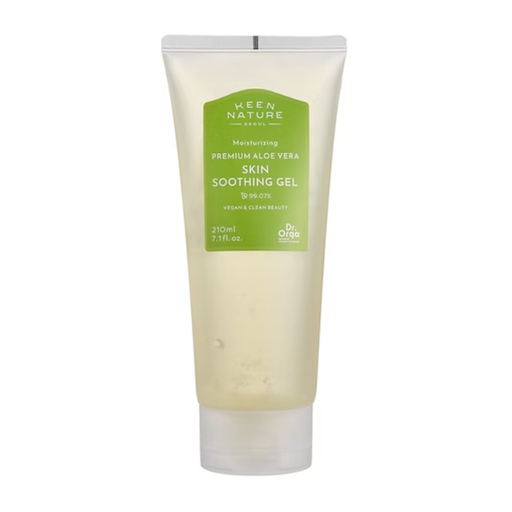
Why it suits this profile: The generous 210 ml size is ideal for those who want to use a simple facial gel regularly and, when needed, on other areas of the body as well.
The INCI list is comparatively straightforward. However, the product contains several botanical extracts, so a tolerance test should be carried out beforehand if your skin is sensitive.
According to the product information, the formula contains aloe vera leaf extract, glycerin and propanediol; no fragrance ingredients are listed in the stated INCI list.
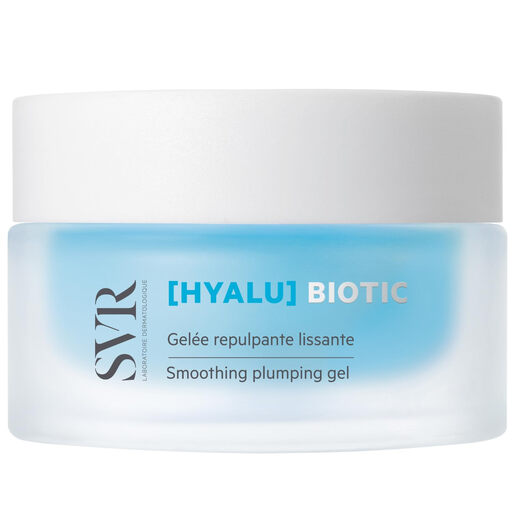
Why it suits this profile: The gel texture is designed for dehydrated, sensitive, normal and dry skin and can be used in the morning or evening.
The product information names specific ingredients and target skin types. The included fragrance component should be taken into account if you are sensitive to fragrance.
According to the product description, the formula contains hyaluronic acid, glycerin, a vitamin C derivative and a fermented ingredient.
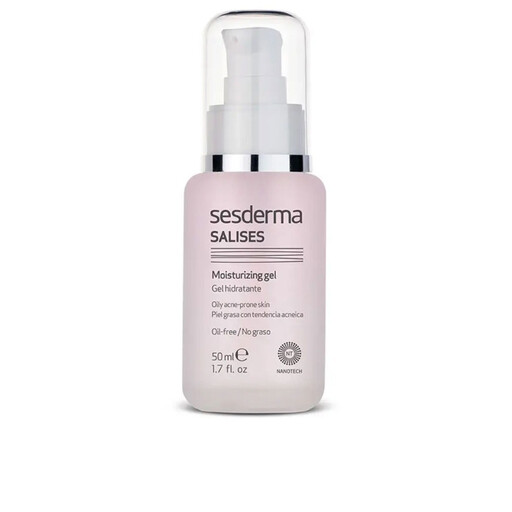
Why it suits this profile: According to the product description, this fluid gel-cream is designed for normal, combination and blemish-prone skin and can be used in the morning and evening.
Salicylic acid and denatured alcohol appear in the INCI list. This makes a gradual introduction and careful monitoring advisable for sensitive or irritated skin.
According to the product information, the formula contains salicylic acid, niacinamide, aloe vera juice and zinc compounds and has a lightweight gel texture.
The category features an regularly updated selection of gels designed to support the skin barrier, allowing you to compare texture, skin type, ingredients and product size at a glance.
A soothing facial gel is not a substitute for dermatological treatment. In the event of inflammatory skin changes, persistent symptoms or severe acne, the underlying cause should be assessed medically.
That depends on the formula. A gel containing a small number of well-known ingredients and no perfume may be an option. Even a product labelled “hypoallergenic” is no guarantee of individual tolerance. The current INCI list and a patch test remain essential.
Yes, a lightweight facial gel-cream can feel comfortable on oily or combination skin. Consider the formula as a whole and avoid applying too many rich layers. Products containing salicylic acid or retinoids should be introduced gradually.
How long the product lasts depends on its size, frequency of use and packaging. The expiry date shown on the packaging and, where applicable, the symbol indicating the period of use after opening are the key references. Protect the product from heat, direct sunlight and contamination, and discontinue use if its scent, colour or consistency changes noticeably.