
Lieferung heute & morgen

Qualitätsgarantie

Willkommens-Angebote freischalten: KOSTENLOSE Lieferung | Bis zu 80 % RABATT | Kostenlose 30-Tage-JoyPlus-Testphase
App herunterladen
Tightness, rough patches or uncomfortable-feeling skin after cleansing are common reasons to look for a suitable facial moisturiser. But a cream labelled “Hydration”, “Barrier Care” or “Repair” won’t necessarily suit your skin type.
Three common buying mistakes often lead to the wrong choice:
Several ingredient groups are relevant to a moisturising skincare routine:
The INCI list on the packaging is the best guide, as formulas can change. If you have sensitive skin, it’s also worth checking for fragrance ingredients such as limonene, linalool or parfum.
A moisturiser for sensitive skin should feel comfortable to apply and contain as few potential irritants as possible. Gel-creams are often lightweight and suit combination skin or warm rooms. Creams containing oils, waxes or richer lipids may be a better choice for dry skin and during the heating season.
If you want to moisturise both your face and body, check the stated area of use. A body lotion isn’t automatically formulated for the face. Conversely, using a small tube of face cream for daily body care may not be cost-effective.
Moisturiser is generally applied after cleansing and after any serum. A hydrating serum can be used under a cream; if you have dry skin, follow it with a moisturiser that not only adds hydration but also helps support the skin with emollient ingredients.
In the morning, use a separate sunscreen as the next step. Test a new formula on a small area of skin first. Stop using it if you experience stinging, redness, swelling or itching. Don’t apply products to open wounds or severely irritated skin.
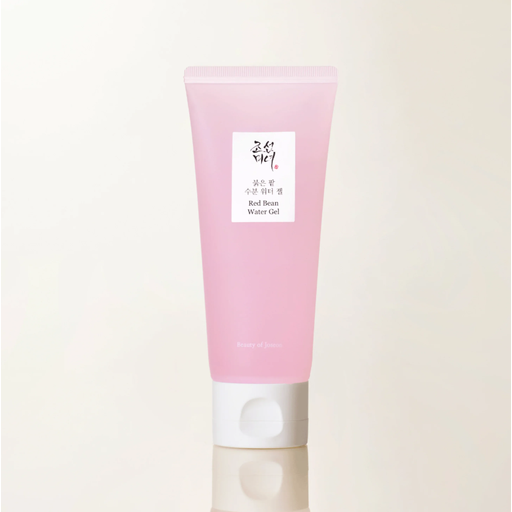
Why it suits this profile: The lightweight gel-cream texture is a good option if you want hydration without a greasy feel and are looking to build a simple Korean skincare routine.
The product description specifically mentions a lightweight, non-greasy texture. This makes it easier to choose than relying on vague claims about “intensive” care.
100 ml; adzuki bean extract, glycerin, panthenol and allantoin, according to the listed INCI ingredients.
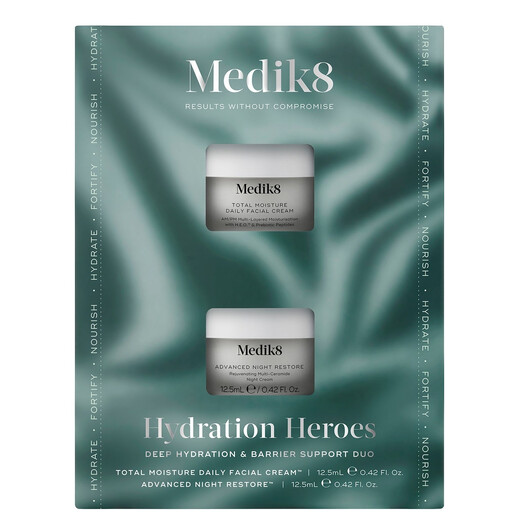
Why it suits this profile: This set includes separate day and night creams, making it a good choice if you want to tailor your routine to different times of day.
The different textures mean you don’t have to use the same cream for both your morning and evening skincare needs.
Day cream with hyaluronic acid and ceramide NP; night cream with several ceramides and lipids, according to the product information.
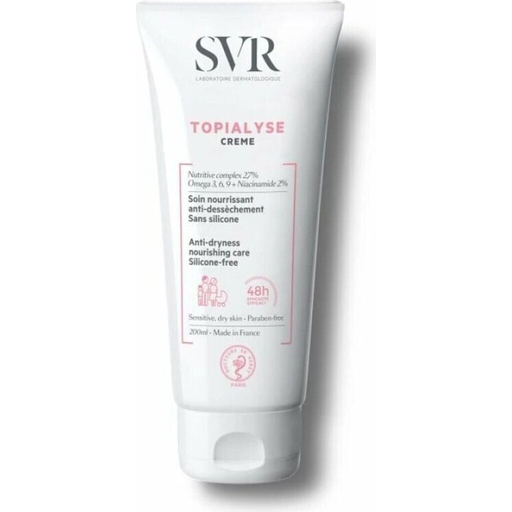
Why it suits this profile: The 200 ml size and stated use on both the face and body make it a practical choice for households with regular skincare needs.
The product information states the intended areas of use and the size, so it’s easier to tell whether the cream is designed for the face, body or both.
200 ml; 27% emollient phase according to the product description; suitable for use on the face and body.
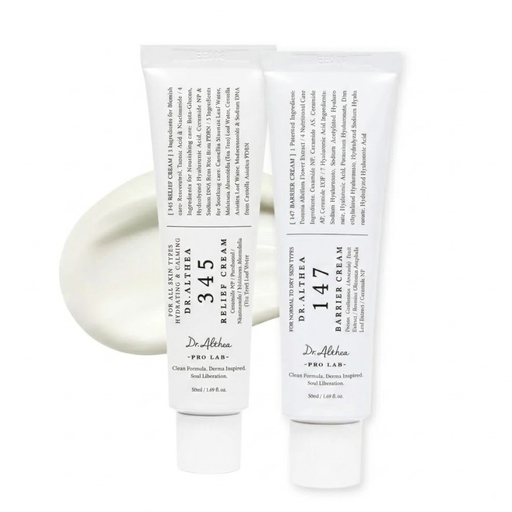
Why it suits this profile: The two 50 ml creams can be used separately depending on how your skin feels, or layered together as needed.
The set offers different skincare options rather than assuming one all-purpose formula will suit every skin need.
Two moisturisers in one set; according to the listed ingredients, the 345 Relief Cream contains panthenol, sodium hyaluronate and ceramide NP, among others.
When choosing a soothing face cream, think about how you’ll use it every day. If you’ll be wearing it under make-up, a fast-absorbing gel-cream is often more practical. For night-time care for dry skin, a richer texture may be a good option.
Sets are also worth checking carefully. A facial skincare set with a cleanser, toner, emulsion and cream can simplify your routine, but it introduces several new formulas at once. If you have sensitive skin, it’s a good idea to introduce the products one at a time. The same applies to multi-step Korean skincare routines.
We’ve put together a complete, regularly updated list of products that meet these strict selection criteria and fully comply with the safety regulations in force in the EU.
It’s usual to apply moisturiser morning and evening after cleansing. If you have dry skin, you may want to apply it to specific areas more often, provided your skin tolerates the product well. Always follow the instructions on the packaging.
A serum is usually lighter in texture and often focuses on humectants such as glycerin or hyaluronic acid. Depending on its formula, a face cream complements this care with lipids, oils or film-forming ingredients. You can use both products together, but you don’t have to.
Shelf life depends on the best-before date, batch information and the period-after-opening symbol. Close the product after each use and store it in a cool, dry place. If its smell, colour or consistency changes noticeably, stop using the cream.