
Lieferung heute & morgen

Qualitätsgarantie

Willkommens-Angebote freischalten: KOSTENLOSE Lieferung | Bis zu 80 % RABATT | Kostenlose 30-Tage-JoyPlus-Testphase
App herunterladen
A facial moisturiser should hydrate the skin, feel comfortable and fit easily into your daily skincare routine. However, choosing the right one is not always straightforward: marketing terms such as “glow”, “lifting” or “24-hour hydration” reveal little about whether a face cream is suitable for your skin.
Three common pitfalls in particular can lead to disappointing purchases:
For dry skin, creamier formulations containing glycerine, squalane, oils, ceramides or shea butter are often suitable. A facial moisturiser for dry skin should not only add moisture, but also help reduce moisture loss.
For combination and oily skin, lightweight textures such as a facial gel cream are often more practical. They can be applied in a thin layer and may feel more comfortable under sun cream or make-up. If you are looking for a face cream for sensitive skin, you should also look for a relatively short INCI list and avoid fragrance wherever possible.
No single ingredient determines a product’s quality. The overall formulation, the concentration – where stated – and your personal tolerance are all important.
Pay attention to the stated net quantity, the best-before date or the shelf life after opening, as well as the information on the packaging. A jar may have more contact with air and fingers during frequent use than a pump dispenser or tube.
If you have sensitive skin, we recommend carrying out a patch test on a small area of skin before applying the product over a larger area. Do not introduce a large number of new active ingredients at the same time. If you experience burning, redness, itching or swelling, stop using the product. Cosmetic creams are not intended to treat skin conditions.
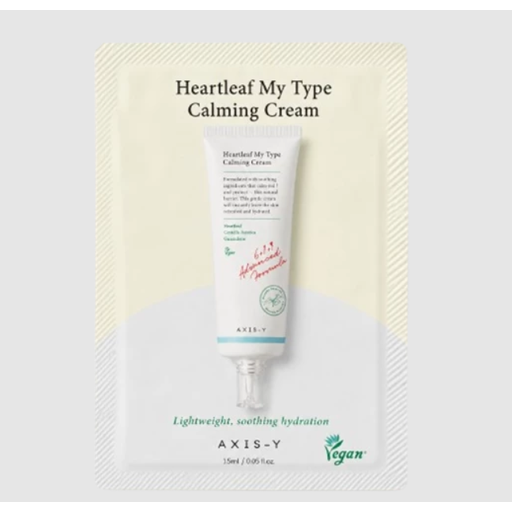
Why this product matches the profile: The sample size lets you introduce a lightweight facial moisturiser for sensitive-looking skin into your routine first, without committing to a larger quantity.
The small quantity reduces the risk of having to use up an unsuitable texture over a long period.
Lightweight gel cream with Heartleaf, Centella asiatica, hyaluronic acid, allantoin and Guaiazulene, according to the product description.
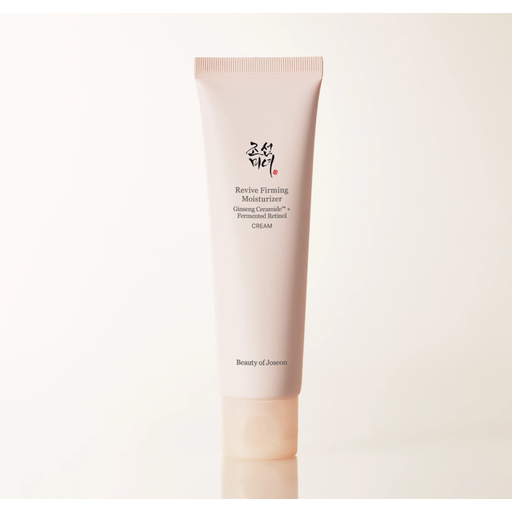
Why this product matches the profile: This Korean face cream combines a lightweight gel cream texture with ginseng, retinol and a ceramide complex for a structured skincare routine.
The product description states that it has a non-greasy texture and is suitable for different skin types; retinol should nevertheless be introduced gradually.
Lightweight cream with fermented retinol and Ginseng-Ceramide according to the brand. Use sun protection during the day when using retinol.
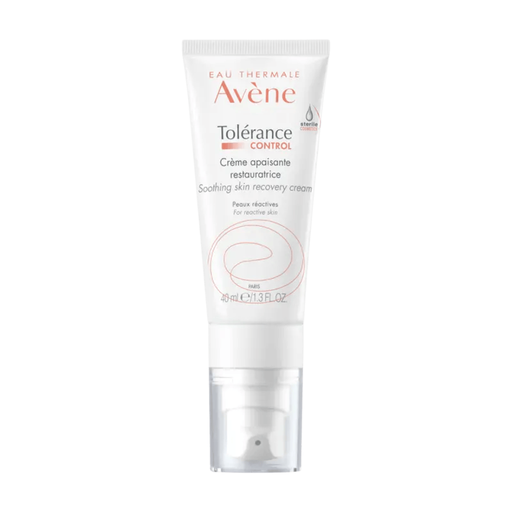
Why this product matches the profile: The fragrance-free and preservative-free formulation is designed for hypersensitive, reactive and intolerant skin, making it suitable for a simplified skincare routine.
Avoiding fragrances and preservatives removes some common triggers of unnecessary product complexity.
Airless packaging, fragrance-free formulation and D-Sensinose according to the product information.
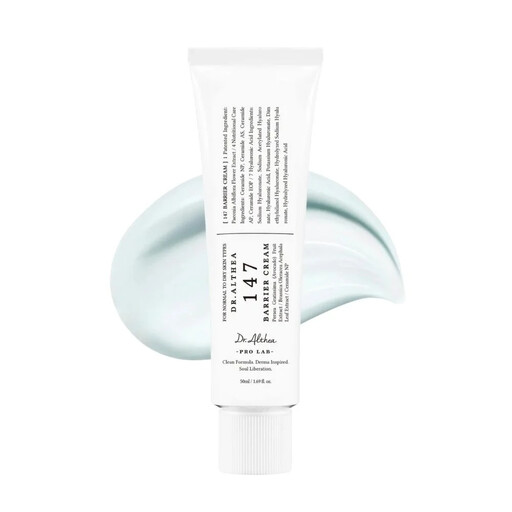
Why this product matches the profile: This richer cream, which is nevertheless described as leaving no residue, is aimed at people who want to combine hydration and barrier support in their daily facial skincare.
The INCI list includes ceramides, cholesterol and several forms of hyaluronic acid, allowing you to assess the choice based on specific ingredients rather than advertising claims alone.
Ceramide NP, several types of ceramides and different forms of hyaluronic acid according to the product information.
We have put together a complete, regularly updated list of products that fully meet these strict selection criteria and the safety regulations applicable in the EU.
Apply the cream after cleansing, to skin that is slightly dry or still minimally damp. A small amount is usually enough for your face and neck. If you have dry skin, applying a second thin layer to particularly stressed areas may be helpful. In the morning, follow with sun protection unless the face cream provides suitable UV protection in a sufficient amount.
For products containing retinol or light-sensitive active ingredients, follow the manufacturer’s directions for use. An anti-ageing cream is not a substitute for medical treatment and should not be used independently if skin problems persist.
As a rule, use it morning and evening after cleansing. If you have very dry skin, an additional application as needed may be beneficial. What matters is whether your skin feels comfortable and tolerates the formulation well.
The PAO symbol on the packaging is the key reference, for example “12M”. It indicates how many months the product should be used for after opening. A change in colour, smell or consistency may indicate that the product is no longer suitable for use.
A face cream for sensitive skin should be formulated to minimise the risk of irritation wherever possible. Look for information such as fragrance-free, a short INCI list and suitable packaging. Test new products on a small area first and stop using them if you experience a reaction.