
Lieferung heute & morgen

Qualitätsgarantie

Willkommens-Angebote freischalten: KOSTENLOSE Lieferung | Bis zu 80 % RABATT | Kostenlose 30-Tage-JoyPlus-Testphase
App herunterladen
A facial moisturiser is part of many people’s daily skincare routine. Even so, choosing the right product is not always straightforward: gel, lotion, cream, “100-hour hydration” and hyaluronic acid may sound compelling, but on their own they reveal little about whether a product is suitable for dry, sensitive or blemish-prone skin.
As a Joybuy Product Recommendation Officer, I filter the most important purchasing criteria from product specifications. This makes it easier to assess which facial cream for dry skin, lightweight moisturiser or barrier-supporting cream best matches your individual needs.
Claims such as “72 hours” or “100 hours” generally come from manufacturer communications and refer to specific application conditions. They do not mean that a single application will replace every other skincare step in everyday life. Cleansing, weather, heated indoor air, perspiration and frequent washing all affect how the skin feels.
An intensive moisturiser should therefore fit your personal routine above all else. For everyday use, texture, skin compatibility and effortless application may matter more than the highest possible number of hours.
A facial cream with hyaluronic acid may contain ingredients that help bind moisture. However, replenishing and protective components are also important for a comfortable skin feel. These include glycerin, urea, lipids, ceramides, fatty acids and silicones, for example.
For very dry skin, a lightweight gel cream may therefore be less suitable than a richer formulation. Conversely, a heavy cream may feel uncomfortable on oily or blemish-prone skin.
A universal product claim is no guarantee of individual skin compatibility. Fragrances, essential oils, preservatives and certain plant extracts may be relevant for some people. For sensitive skin, a fragrance-free facial cream is often a sensible starting point, but the complete ingredient list on the packaging should still be checked.
Discontinue use if redness, burning or itching occurs. Cosmetic products are not intended to treat skin diseases.
Humectants such as glycerin, Sodium Hyaluronate or urea help bind water in the outer layer of the skin. Lipids, ceramides and plant oils can complement care for a stressed skin barrier. A product containing several types of ceramides may be particularly interesting for anyone specifically looking for a cream to strengthen the skin barrier.
The order of ingredients in the INCI list provides a general indication of the quantities present, but it does not allow for a complete assessment of product performance. Ingredient lists may change. The information on the packaging delivered with the product is therefore decisive.
For everyday use in Germany, hygienic dispensing, a securely sealable jar or pump dispenser and suitable storage are important. Products should be protected from direct sunlight and heat. Before first use, a patch test on a small area of skin may be advisable, particularly for sensitive or allergy-prone skin.
In the morning, apply a moisturiser after cleansing and before sunscreen. In the evening, it can be the final step in your routine. More product does not automatically mean more care: a thin, even layer is usually sufficient.
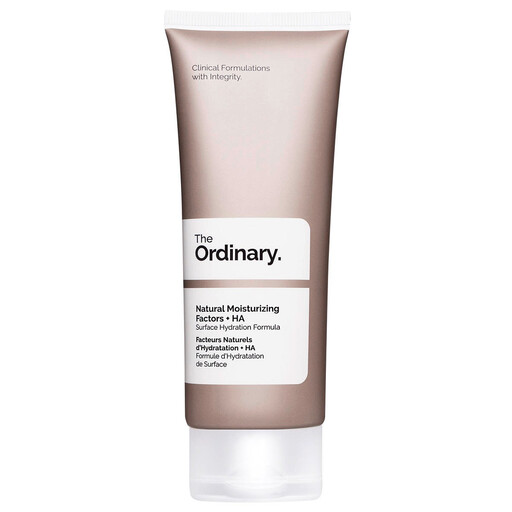
Why it fits: An uncomplicated option for beginners looking for a daily facial moisturiser without added fragrance.
The product details describe a non-greasy, fragrance-free formulation with Sodium Hyaluronate, amino acids and fatty acids. The INCI list should nevertheless be checked before purchase.
100 ml size; contains glycerin, Sodium Hyaluronate, urea and allantoin.
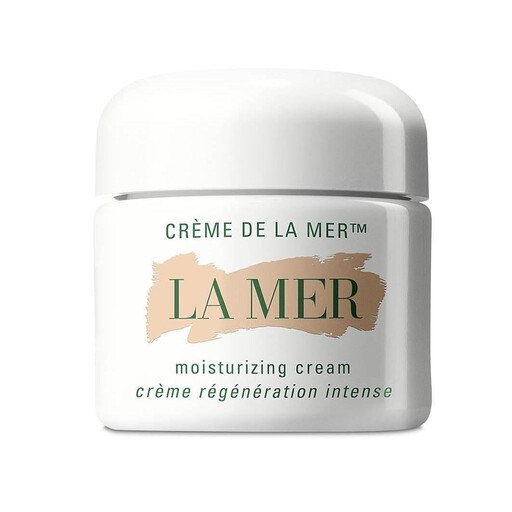
Why it fits: For shoppers who want to incorporate a rich texture and premium skincare product into their evening routine.
The INCI list contains fragrances, essential oils and lanolin alcohol. Anyone looking for a fragrance-free facial cream or prone to sensitivity should take this into account beforehand.
Rich cream base; contains algae extract, glycerin and panthenol.
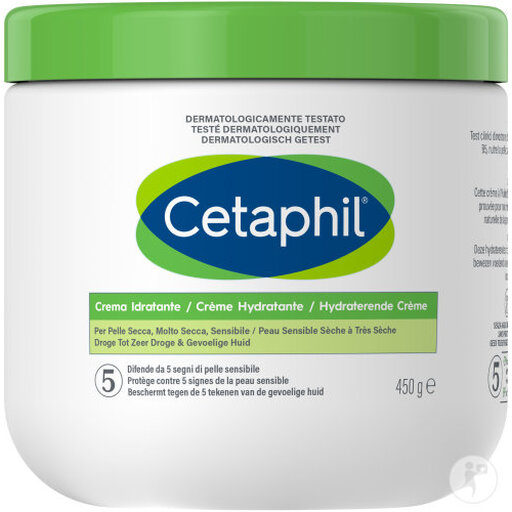
Why it fits: The generous pack size is suitable for regular use on dry skin, for example when caring for the face as well as particularly dry areas of the body.
The large pack reduces the need for frequent repurchasing. At the same time, the rich base may not feel comfortable on every combination skin type; start by applying it sparingly.
450 g size; fragrance-free; contains glycerin, panthenol, niacinamide and petrolatum.
The full selection includes a range of products organised by texture, skin type and ingredients for personalised comparison.
Most products are designed for use in the morning and evening. The manufacturer’s instructions are the deciding factor. An additional thin layer may be helpful in dry heated air or after cleansing. During the day, apply a suitable sunscreen if you will be spending time outdoors.
The best-before date and the period-after-opening symbol on the packaging are decisive. Dispensing, storage and contact with the product all affect its usable life. If the smell, appearance or consistency changes, discontinue use.
A moisturiser for sensitive skin should contain as few potentially irritating ingredients as possible. Fragrance-free formulas can be a useful selection criterion, but they do not replace checking the complete INCI list. Test new products on a small area of skin first and discontinue use if any reaction occurs.