
Lieferung heute & morgen

Qualitätsgarantie

Willkommens-Angebote freischalten: KOSTENLOSE Lieferung | Bis zu 80 % RABATT | Kostenlose 30-Tage-JoyPlus-Testphase
App herunterladen
A facial moisturiser is designed to leave dry skin feeling softer, reduce tightness and complement your daily skincare routine. The choice ranges from lightweight gel creams and rich barrier repair creams to products for children and the whole body. However, not every formula is suitable for every skin type.
If you focus only on marketing claims such as “intensive regeneration”, “glass skin” or a particularly high number of active ingredients, you may overlook important details. The full INCI list, texture, pack size and application instructions are all crucial.
Hyaluronic acid, ceramides, PDRN, niacinamide and plant extracts are often prominently advertised. However, simply mentioning them says little about how suitable a product will be for your individual skin. For sensitive skin, fragrances, essential oils or a very rich texture may be more relevant than a long list of ingredients.
A hyaluronic acid cream can help bind moisture in the uppermost layer of the skin. For a comfortable skin feel, it is also worth choosing a suitable moisturising base containing humectants, oils or film-forming ingredients.
The description moisturiser for sensitive skin does not automatically indicate an identical composition or a legally standardised level of performance. Check whether the product is, for example, fragrance-free, which preservatives it contains and whether the manufacturer provides specific application instructions.
If your skin is reactive or irritated, test new products on a small area of skin first. Cosmetic cream should only be applied to open, damaged or severely irritated skin in accordance with the manufacturer’s instructions.
A large jar is not necessarily more economical. Facial skincare usually requires smaller amounts than body care. A 20-ml product may be sufficient for a targeted routine, while 450 g or 110 g products may be intended for the face and body or for regular family use. So compare the price per 100 ml or 100 g, rather than just the final price.
Ceramides and cholesterol are ingredients used in formulations designed to support the skin barrier. A ceramide cream may therefore be worth considering for dry or rough skin. The listed INCI ingredients for Dr. Althea 147 Barrier Repair Cream include Ceramides NP, AP, AS, NG, NS and EOP, among others.
Panthenol, glycerine and beta-glucan are often used in soothing facial creams. They help leave the skin feeling cared for and moisturised. The specific effect depends on the complete formula and your individual skin.
PDRN creams contain Sodium DNA or polydesoxyribonucleotides, depending on the product. This description should not be equated with a medical treatment. Check the current packaging information for PDRN products, as INCI lists may change.
Apply the cream after cleansing. When using several skincare steps, a richer cream is generally applied as the final or penultimate step. In the morning, sunscreen should be added to your routine. Avoid direct contact with the eyes and follow the instructions on the packaging and product page.
If you are using a jar, make sure your hands are clean. Tubes or airtight packaging may be more hygienic for everyday use and more convenient when travelling. Store products in a cool, dry place away from direct sunlight and high temperatures. The best-before date, batch number and period-after-opening information can be found on the packaging.
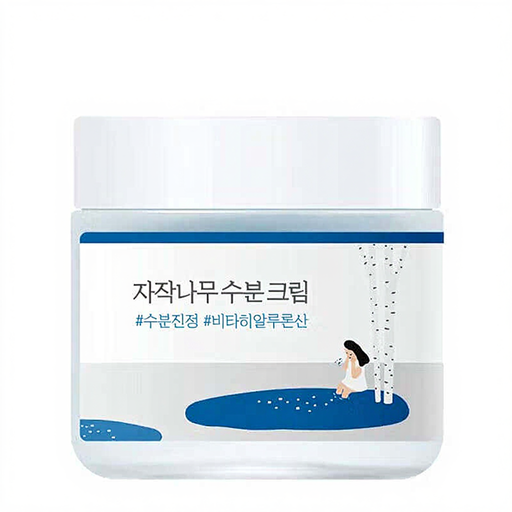
Why this product suits this profile: The 80-ml size is suitable for a simple daily facial skincare routine. The listed formula contains glycerine, panthenol, Betula Platyphylla Japonica sap and Sodium Hyaluronate.
The ingredient list and application instructions are clearly provided. Before buying, you can check whether the lightweight to medium moisturising base suits your own routine.
80 ml contents, glycerine, panthenol and hyaluronate according to the product information.

Why this product suits this profile: This Korean facial cream combines several ceramides with a comprehensive hyaluronic acid blend and is intended for the final or penultimate skincare step.
Rather than promoting just one active ingredient, the INCI list specifies Ceramides NP, AP, AS, NG, NS and EOP, along with several forms of hyaluronic acid.
50 ml contents; ceramides and seven listed types of hyaluronic acid according to the product description.
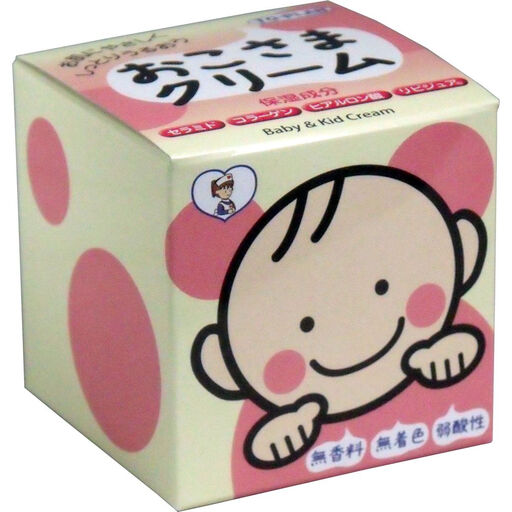
Why this product suits this profile: According to the product information, this fragrance- and colour-free cream is intended for the face and body, making it suitable for families with dry or sensitive skin.
Its suitability for several areas of the body means you do not need to buy separate products for the face and body. The 110-g size is designed for regular use.
110 g contents; Ceramides NP, AP and EOP, hyaluronate, and a fragrance- and colour-free formula according to the product description.
We have put together a complete, regularly updated list of products that fully meet these strict selection criteria and the safety regulations applicable in the EU.
For very sensitive, reactive skin, Avène Tolerance Control Soothing Repair Cream may be worth considering. According to the product description, it is formulated without fragrance or preservatives and comes in airtight packaging. The 40-ml size is suitable for targeted facial skincare.
If you need a larger quantity for dry skin, Cetaphil Moisturizing Cream 450 g is a rich option. The listed formula contains glycerine, petrolatum, dimethicone, panthenol and niacinamide. For a lightweight texture suitable for combination skin, consider options such as Beauty Of Joseon Red Bean Hydrating Gel Cream 100 ml or Dr. Althea Face Care 345 Relief Cream 50 ml.
Look for glycerine, panthenol, ceramides, shea butter or nourishing oils. A richer texture may feel more comfortable on dry skin than a very lightweight gel. What matters most is whether the cream leaves your skin feeling persistently tight or uncomfortably greasy after application.
Many products are intended for use in the morning and evening. A small, evenly distributed amount is usually sufficient. For very dry areas, you can apply an additional thin layer in accordance with the manufacturer’s instructions.
The printed best-before date, batch number and period-after-opening symbol are the key points of reference. Changes in smell, colour or consistency are reasons to stop using the product. If you have sensitive skin, it is also advisable to introduce new products into your routine one at a time.