
Lieferung heute & morgen

Qualitätsgarantie

Willkommens-Angebote freischalten: KOSTENLOSE Lieferung | Bis zu 80 % RABATT | Kostenlose 30-Tage-JoyPlus-Testphase
App herunterladen
A facial moisturiser should hydrate your skin throughout the day and fit comfortably into your skincare routine. However, choosing the right one is not always easy: gels, lotions, creams, ceramides, hyaluronic acid and retinol are often promoted with sweeping promises. What really matters is the actual formulation, the texture and how well it suits your skin type.
Hyaluronic acid binds water and is found in many formulations. However, this does not automatically mean that every hyaluronic acid cream provides sufficient care for very dry skin. Humectants such as glycerin, replenishing lipids and the cream base as a whole also contribute to how comfortable the skin feels.
A ceramide cream is not automatically suitable for every need simply because ceramides are mentioned on the packaging. Other relevant factors include how it is combined with additional lipids, its texture and individual tolerance.
A facial moisturiser for all skin types can be practical, but it says little about how it will feel on your own skin. Dry skin often needs a richer base, while a lightweight moisturiser may feel more comfortable on combination or oily skin.
If you have sensitive skin, check the complete INCI list. Fragrances, essential oils or certain plant extracts may not be suitable for everyone, even when the product is generally described as gentle.
A non-comedogenic facial cream is positioned as being less likely to clog pores. This is a useful guide, but it is not a guarantee for every skin type. New products should initially be applied in a small amount and, where possible, to a limited area of skin.
Read the INCI list on the product packaging, as formulations can change. For a skin barrier cream, ceramides, cholesterol, fatty acids, panthenol and humectants are useful points of reference. However, simply naming one active ingredient does not provide a complete assessment of the formulation.
Korean skincare products often combine several hydrating ingredients. This means a Korean facial cream may have a lightweight, gel-like or rich formulation. Its origin and trend label do not replace looking at the texture and ingredients.
The pack size should match how you plan to use the product. For example, a 20-ml product is suitable for trying something new or for a targeted routine, while 100 ml may last longer with daily use. A rich cream can be useful in the evening, whereas a lightweight lotion may work well in the morning under sun protection or make-up.
Facial cream is generally applied after cleansing and any other lightweight skincare products. During the day, suitable sun protection should be applied as a separate step. Retinol products should be introduced particularly carefully and used in accordance with the manufacturer's instructions.
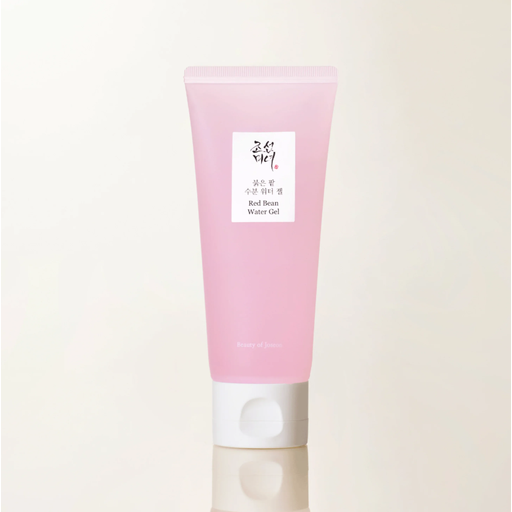
Why this product suits this profile: The lightweight gel cream comes in a 100-ml size and is suitable for anyone looking for simple daily hydration that absorbs quickly.
The product description highlights a lightweight, non-greasy texture. This helps you avoid choosing a rich cream when your skin needs a lighter level of care.
100 ml; glycerin, panthenol, betaine and beta-glucan are listed in the stated INCI list.
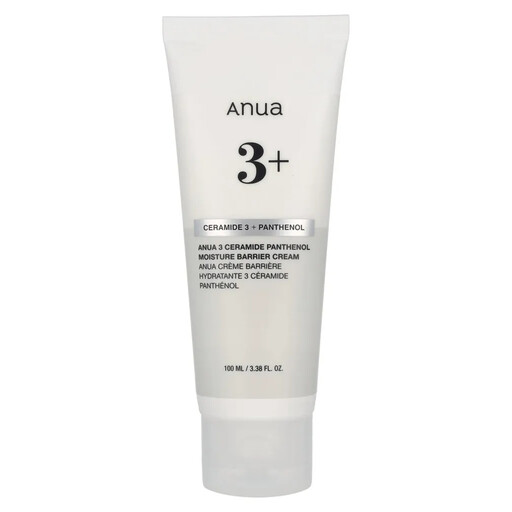
Why this product suits this profile: The combination of several ceramides, panthenol and hydrating ingredients will appeal to shoppers looking for targeted skin barrier care for dry, sensitive or normal skin.
According to the stated formulation, it goes beyond a single humectant. The product description lists three types of ceramide and panthenol; check the current packaging before buying.
100 ml; ceramides NP, AP and EOP, along with hyaluronic acid, squalane and Centella asiatica, are listed in the provided ingredients list.
We have put together a complete, regularly updated list of products that fully meet these strict selection criteria and the safety regulations applicable in the EU.
Apply the moisturiser after cleansing, either to slightly damp skin or after a serum. Start with a small amount. If you have sensitive skin, a patch test on an inconspicuous area is recommended. If redness, burning, itching or persistent irritation occurs, stop using the product.
With retinol products such as an anti-ageing facial cream containing retinol, it is sensible to introduce them gradually. Initially, use them at wider intervals in accordance with the manufacturer's instructions, and apply sun protection during the day. Retinol is not suitable for every skincare routine; if you are unsure, seeking dermatological advice may be advisable.
A facial cream for dry skin often contains a combination of glycerin, panthenol, squalane, oils or ceramides. It is also important that the texture feels comfortable in everyday use and does not leave your skin feeling tight. If your skin is severely or persistently dry, the cause should be medically assessed.
Hyaluronic acid is often used to hydrate the skin. However, whether a moisturiser for sensitive skin is suitable depends on the formulation as a whole. Therefore, also check for fragrances, preservatives and other plant extracts, and test the product on a small area of skin first.
The best-before date or the open-jar symbol indicating the period of use after opening on the packaging is decisive. Keep jars and tubes clean and store them in accordance with the manufacturer's instructions. If the smell, colour or consistency changes, stop using the product.