
Lieferung heute & morgen

Qualitätsgarantie

Willkommens-Angebote freischalten: KOSTENLOSE Lieferung | Bis zu 80 % RABATT | Kostenlose 30-Tage-JoyPlus-Testphase
App herunterladen
A facial moisturiser for sensitive skin should hydrate without making your skincare routine unnecessarily complicated. Yet attention-grabbing marketing claims, incomplete product information and unsuitable textures often lead to disappointing purchases. As a Joybuy Product Recommendation Officer, I’ve identified the key things to look for and grouped suitable products by common needs.
A high proportion of natural ingredients alone says little about whether a formula will suit your skin. Plant extracts and essential oils can also be unsuitable for reactive skin. What matters is the complete INCI list, not just the front of the packaging.
A very rich barrier cream can be useful for dry patches. However, it may feel too heavy on combination skin or an oilier T-zone. In that case, a lightweight moisturiser for sensitive skin that absorbs more quickly is often more practical.
Terms such as “soothing facial cream” or “strengthens the skin barrier” often describe how a product is positioned. They don’t replace details about ingredients, fragrance, use, skin type and warnings. If your skin is irritated or has changed noticeably, you should also seek medical advice, as cosmetics are not a substitute for treatment.
Facial moisturisers for dry skin commonly contain humectants such as glycerin, panthenol, hyaluronic acid or betaine. Ceramides, cholesterol and skin-identical lipids are often used in ceramide creams and facial barrier creams. They can help care for the skin’s surface, but this shouldn’t be taken as a medical claim.
If you don’t tolerate fragrance well, look for a fragrance-free facial moisturiser and check the INCI list for fragrance ingredients such as limonene, linalool or citral. The term “unscented” can be helpful, but you should still check the product packaging.
If your skin is irritated, start by applying a small amount of facial moisturiser. Testing it on a small, inconspicuous area can help you assess how your skin reacts. Stop using it if you experience stinging, itching, a rash or increasing redness.
Look for the pack size, country of origin, responsible person in the EU, shelf life and storage instructions. Product information and INCI lists for Korean skincare and imported products can vary between batches. Always use the packaging for your final check.
For a straightforward routine, gentle cleansing, moisturiser and suitable sun protection during the day are usually enough. A cream doesn’t need to contain as many active ingredients as possible to be suitable for sensitive skin.
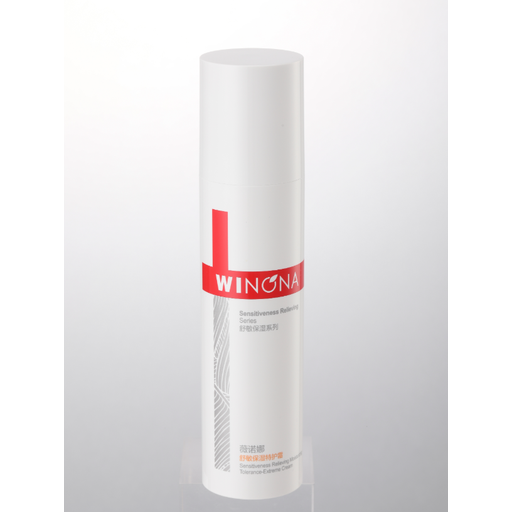
Why it suits this profile: Its stated lightweight, non-greasy texture and morning and evening directions make it a good fit if you’re looking for a simple everyday moisturiser.
The description gives details about skin type, texture and use, and advises you to stop if irritation occurs. This makes it easier to assess the product before buying.
Glycerin and several other humectants appear near the top of the stated INCI list; the formula is described as lightly fragranced.
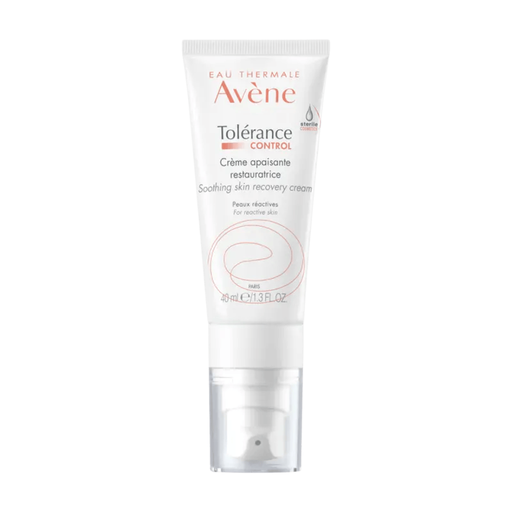
Why it suits this profile: The product information describes a fragrance-free, preservative-free formula in airtight packaging for hypersensitive skin.
The pared-back ingredients list and clear warnings can help you avoid unnecessary combinations of fragrances or ingredients.
The stated formula contains glycerin and squalane; the cream is intended for use morning and evening.
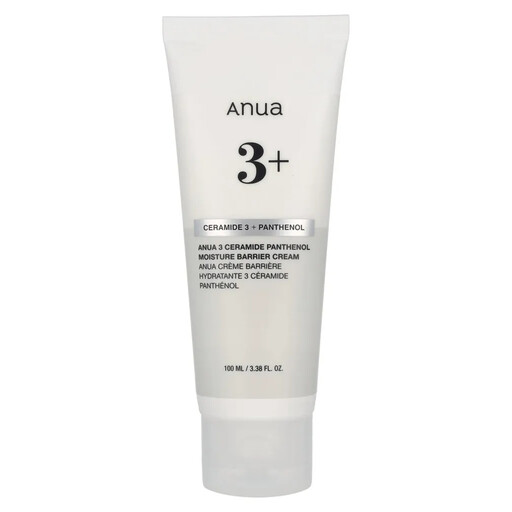
Why it suits this profile: The 100 ml size and stated lightweight texture make it a good fit for regular use as part of a Korean skincare routine.
The product description names three types of ceramide, panthenol and centella, as well as a non-sticky texture. This gives you specific features to consider when choosing your skincare.
Ceramides NP, AP and EOP, along with panthenol, appear in the stated ingredients list; the cream is recommended as the final step in your skincare routine.
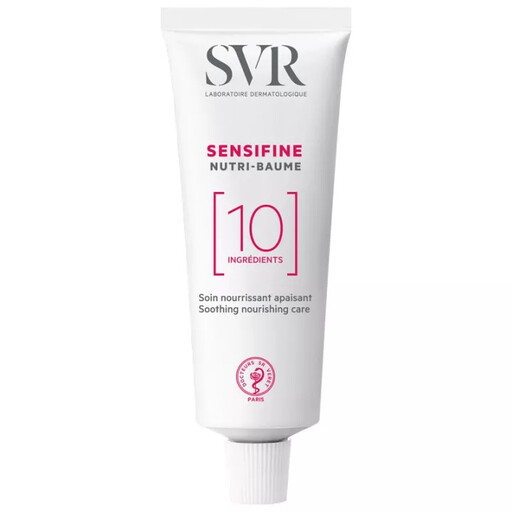
Why it suits this profile: According to the product information, this balm is fragrance-free and made for very sensitive skin. Its rich texture may suit dry patches or an evening skincare routine.
The product description states that it has a short formula with ten essential ingredients and, according to the supplier, contains no fragrance.
Shea butter, squalane and panthenol are listed as ingredients; the product is intended for the face and neck, as well as dry patches.
We’ve put together a complete, regularly updated list of products that meet these strict selection criteria and the safety regulations in force in the EU.
Apply the cream after cleansing, to skin that is still slightly damp or dry, depending on the product directions. A small amount is usually enough for the face. With very rich balms, it may be better to apply a little to dry patches rather than use a thick layer over your whole face.
Follow the printed best-before date or the period-after-opening symbol to check how long the product will keep. If its smell, colour or consistency changes, stop using it. Ongoing costs depend mainly on the pack size, how much you apply and how often you use it.
It depends on the texture you prefer and how your skin responds. Rich balms with shea butter or squalane are better suited to dry patches. Lighter formulas with glycerin, panthenol or hyaluronic acid may be more practical for everyday use and combination skin. Check the INCI list before buying.
Ceramides are often used in products designed to care for the skin barrier. A ceramide cream may therefore be worth considering if your skin feels dry. Whether it’s right for you depends on the complete formula and how your skin responds.
Follow the product directions and, if your skin is reactive, start with a small amount. Many creams are intended for use morning and evening, but not every skin type needs the same frequency. If irritation persists or gets worse, stop using the product and seek medical advice if needed.