
Lieferung heute & morgen

Qualitätsgarantie

Willkommens-Angebote freischalten: KOSTENLOSE Lieferung | Bis zu 80 % RABATT | Kostenlose 30-Tage-JoyPlus-Testphase
App herunterladen
A facial moisturiser should keep your skin comfortably hydrated throughout the day without leaving it feeling tight, overly shiny or sticky. The choice ranges from rich creams and lightweight moisturising lotions to oil-free hydration gels. This variety is precisely what can make choosing the right product so challenging.
Many products are marketed with terms such as “intensive hydration”, “barrier protection” or “suitable for all skin types”. However, such claims are no substitute for checking the ingredients, texture and directions for use. If you buy based solely on marketing promises, you can quickly end up with a cream that is too rich, too lightweight or unsuitable for your skin.
Dry skin often needs more nourishing ingredients than oily or blemish-prone skin. However, a very rich formulation can feel heavy or sit poorly under make-up. A lightweight moisturiser may be more suitable during the day, while a richer facial cream can be used in the evening.
An oil-free moisturiser may be worth considering for combination or oily skin. However, the entire formulation is what matters. Humectants such as glycerin, hyaluronic acid or beta-glucan can also help care for the skin. The term “oil-free” describes only one aspect of the formulation and is not a general mark of quality.
A day cream with SPF can be practical, for example when you are only making short journeys during the day. For longer periods of sun exposure, you should follow the sun protection factor stated on the product, apply the recommended amount and reapply as necessary. A moisturiser without SPF does not offer stated UV protection.
Hyaluronic acid binds water within the cosmetic formulation. In a facial cream containing hyaluronic acid, it is often combined with glycerin, betaine or amino acids. Ceramides, cholesterol, phytosphingosine and fatty acids are also worth considering for barrier-supporting skincare.
Important: The mere mention of an active ingredient says nothing about its concentration, tolerability or the results it will produce for every individual. Check the full ingredients list and bear in mind that formulations can change.
A 30ml tube is suitable for trying a product or taking it with you when travelling. A 75ml or 100ml product may be more economical for daily use if you use the texture regularly. With jars, hygienic removal is important; pump bottles and tubes often allow more controlled dispensing.
After cleansing, apply a small amount to your face and neck. If you have sensitive skin, a patch test on a small area of skin is recommended before using the product fully for the first time. Stop using the product if you experience redness, burning, itching or any other reaction.
The following products differ in texture, size and stated ingredients. These classifications are based on the individual product information and do not represent an overall quality ranking.
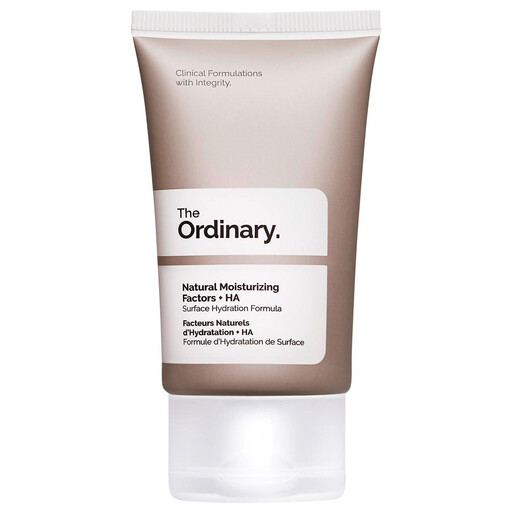
Why this product suits this profile: The 30ml size is suitable for trying the product and for shoppers looking for a straightforward, fragrance-free facial cream.
The ingredients list includes glycerin, Sodium Hyaluronate, amino acids, urea and fatty acids, among others. This makes it possible to assess the choice more specifically than by relying on the term “hydration” alone.
Fragrance-free product information, 30ml of product and a cream texture for the face and neck.
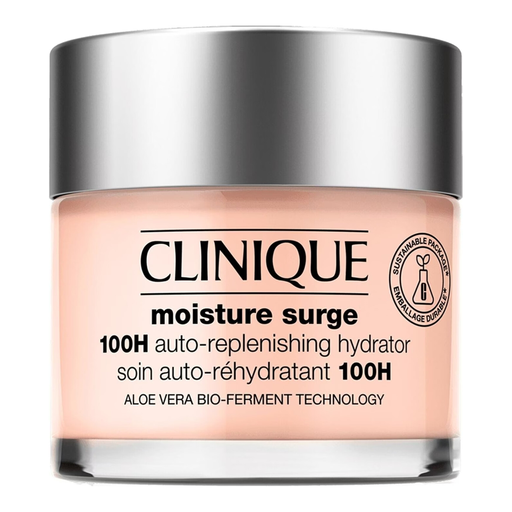
Why this product suits this profile: This oil-free gel cream may appeal to users who prefer a fast-absorbing texture in the morning and evening.
The “oil-free” claim is supported by the stated gel-cream texture and ingredients such as glycerin, Sodium Hyaluronate and aloe vera components.
75ml of product, an oil-free gel cream and, according to the product information, a non-acnegenic formulation.
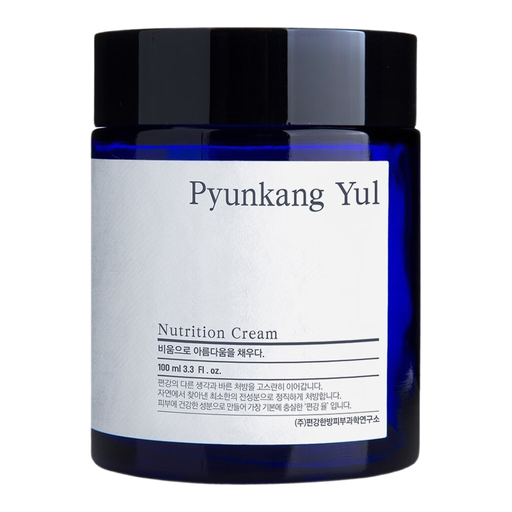
Why this product suits this profile: This rich cream is intended for dry, mature or sensitive skin and can be applied to the face and neck in the morning and evening.
The product information explicitly states that it contains no fragrances, silicones or preservatives. Nevertheless, the ingredients list should be checked against the packaging before purchase.
100ml of product, plus Sodium Hyaluronate, shea butter, macadamia oil and beeswax in the stated formulation.
We have put together a complete, regularly updated list of products that fully meet these strict selection criteria and the safety regulations applicable in the EU.
A moisturiser is normally applied after cleansing, when the skin is slightly dry. If you follow several skincare steps, the cream usually comes after a serum or hydrating gel. During the day, apply a separate sun protection product if needed. The right amount depends on the texture and how the product feels on your skin; a thin, even layer is often sufficient.
Shelf life depends on the best-before date printed on the packaging, the open-jar symbol and storage conditions. Direct sunlight, heat and frequent touching can affect product quality. Stop using the cream if its smell, colour or consistency changes.
A facial cream for dry skin can combine hydrating and replenishing ingredients, such as glycerin, urea, hyaluronic acid, ceramides or plant oils. What matters is how it feels on your skin and how well you tolerate it. A lightweight lotion may be sufficient during the day, while a richer cream may feel more comfortable in the evening.
Hyaluronic acid is a common ingredient in cosmetic hydrating skincare. However, whether a formulation is suitable for sensitive skin depends on the complete INCI list. Pay particular attention to fragrances and carry out a patch test before first use.
The open-jar symbol on the packaging indicates the recommended period of use after opening, such as 6M or 12M. You should also follow the stated best-before date and storage instructions. The actual period of use also depends on how often the product is opened and dispensed.