
Lieferung heute & morgen

Qualitätsgarantie

Willkommens-Angebote freischalten: KOSTENLOSE Lieferung | Bis zu 80 % RABATT | Kostenlose 30-Tage-JoyPlus-Testphase
App herunterladen
A facial moisturiser should hydrate your skin every day, apply comfortably and suit your individual skin type. However, attention-grabbing marketing claims do not automatically lead to the right purchase decision. Terms such as ‘barrier protection’, ‘anti-ageing’ or ‘24-hour hydration’ often describe just one product feature and are no substitute for checking the full product information.
A very rich cream is not suitable for every skin type. For combination or blemish-prone skin, a highly occlusive texture may feel uncomfortable. Conversely, a lightweight gel cream may not be enough for very dry skin. The key factors are therefore how your skin feels, the formulation and your personal skincare routine – not simply the word ‘intensive’.
Ceramides, panthenol, glycerine and hyaluronic acid can perform different roles in a formulation. Simply naming an active ingredient says little about whether a product will suit you personally. If you have sensitive skin, you should also check the INCI list for parfum, alcohol denat. and essential oils.
A day cream with SPF can simplify your morning routine. However, for longer periods outdoors, sports activities or strong sunlight, you should check the stated sun protection factor, apply a sufficient amount and reapply regularly. A standard moisturiser without UV filters does not protect your face from the sun.
Glycerine, panthenol and hyaluronic acid are often used to help bind moisture. A hyaluronic acid face cream can therefore create a smoother-feeling complexion, but that does not automatically make it suitable for every skin condition.
A ceramide cream, also known as a skin barrier cream, contains lipid components that are often used when caring for dry or stressed skin. According to the product information, Anua includes three types of ceramide and panthenol. Ceramides are also listed in the stated INCI ingredients for Dr. Althea and Haruharu Wonder. The exact formulation may change, so the ingredients list on the packaging is the definitive source.
For products with SPF, you should distinguish between SPF 15, SPF 30 and SPF 50+. The factor refers to the stated UVB protection; information such as UVA or PA++++ provides additional details about the product labelling. For everyday use, a day cream with SPF can be practical. For prolonged sun exposure, a dedicated product is recommended, with reapplication after sweating, swimming or drying yourself.
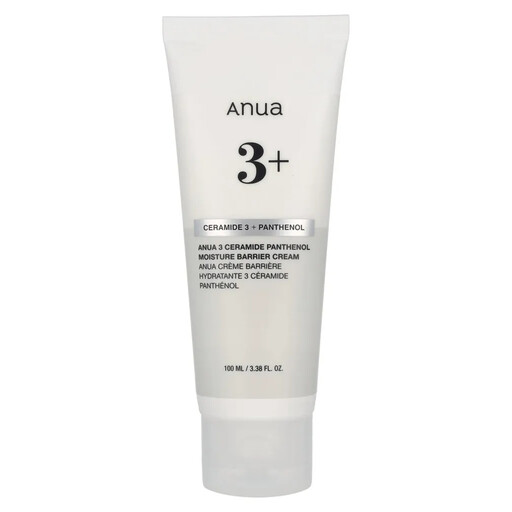
Why this product suits the profile: The 100 ml size is suitable for regular facial and neck care. According to the stated formulation, it is intended for dry, sensitive and normal skin.
The product information lists ceramides, panthenol, glycerine and hyaluronic acid rather than making only general claims about hydration. Check the current INCI list on the packaging before buying.
100 ml contents, three types of ceramide stated as included in the product information, and a lightweight, non-sticky texture.
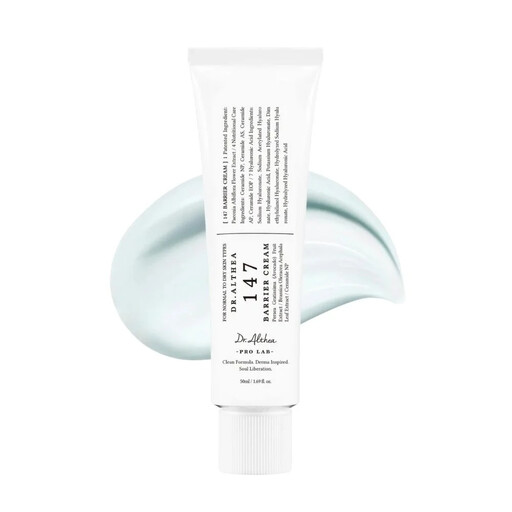
Why this product suits the profile: This Korean skincare product combines ceramides with several forms of hyaluronic acid, making it appealing to users who specifically value barrier protection and a silky skin feel.
The product description names specific ingredients such as ceramides, bisabolol and seven forms of hyaluronic acid. This makes it easier to compare the product with your own routine and skin tolerance.
50 ml contents, several hyaluronic acid derivatives and ceramides in the stated formulation.
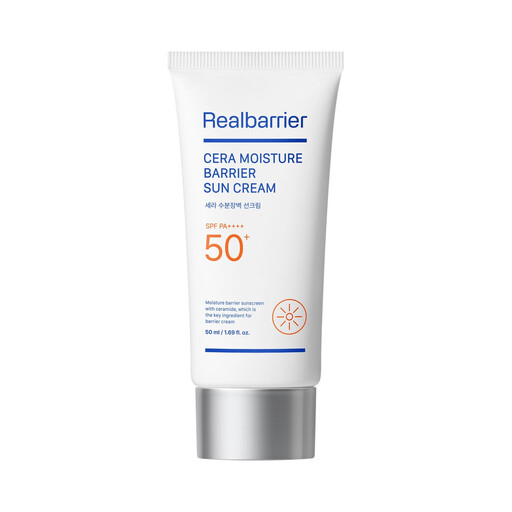
Why this product suits the profile: Combining hydration with a high stated sun protection factor makes this product appealing if you want to streamline your morning routine.
The SPF 50+ sun protection factor and PA++++ rating are clearly stated. Regular reapplication is still necessary during prolonged sun exposure.
SPF 50+ PA++++, ceramides and panthenol according to the product information, plus a texture described as lightweight.
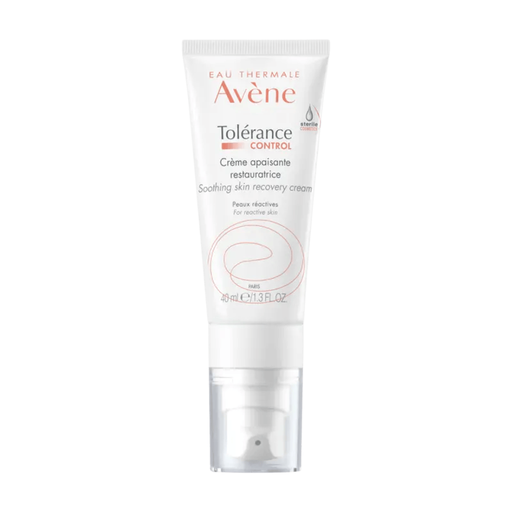
Why this product suits the profile: The product information states that it has a fragrance-free, preservative-free formulation for hypersensitive, reactive or intolerant skin.
The absence of fragrances and preservatives is clearly stated. Even so, new skincare products should initially be tested on a small area of skin.
Fragrance-free formulation, airtight packaging according to the product description, and 40 ml contents.
We have put together a complete, regularly updated list of products that fully meet these strict selection criteria and the safety regulations applicable in the EU.
Apply the moisturiser to cleansed skin. If you use several skincare products, the cream usually comes after lighter steps such as toner or serum. In the morning, products without sufficient UV protection should be followed by separate facial sun protection. For dry areas, applying a slightly richer layer in the evening may be beneficial.
Check the best-before date or the PAO symbol on the packaging. Changes in smell, colour or consistency may indicate that the product has changed. Stop using it if redness, itching or burning occurs. If skin problems persist, seek medical advice.
Many face creams are applied morning and evening after cleansing. If your skin is very dry, applying extra product to specific areas may be helpful. The manufacturer’s instructions and how your skin feels are the deciding factors.
Refer to the PAO symbol, such as ‘12M’, as well as the printed expiry date. Shelf life also depends on storage and hygiene. Avoid direct sunlight, excessive heat and removing the product with unwashed hands.
A Korean skincare cream is not automatically suitable for every skin type. Check the INCI list, fragrances, alcohol and the intended use. Ceramides, panthenol or centella may be included in suitable formulations, but they do not replace an individual tolerance test.