
Lieferung heute & morgen

Qualitätsgarantie

Willkommens-Angebote freischalten: KOSTENLOSE Lieferung | Bis zu 80 % RABATT | Kostenlose 30-Tage-JoyPlus-Testphase
App herunterladen
The right facial moisturiser should replenish moisture, care for your skin comfortably and fit seamlessly into your daily routine. However, choosing one is not simply a matter of brand name or advertising claims. Your skin condition, the ingredients, texture, fragrance and whether you also need sun protection are all important considerations.
A very rich, oily texture can feel pleasant on dry skin, but may feel heavy under make-up or on combination skin. For dehydrated yet relatively oily skin, a light gel cream containing glycerin, hyaluronic acid or moisture-binding sugars may be more suitable.
Even well-known ingredients may not suit everyone. Fragrance, essential oils, alcohol or certain preservatives can be problematic for sensitive skin. The complete INCI list on the product packaging is therefore more important than individual marketing terms highlighted on the label.
A product with SPF 30 or SPF 50+ is practical for everyday use. However, the level of protection depends on how much you apply and whether you reapply it. If you spend longer periods outdoors, sweat or swim, you should top up your sun protection according to the manufacturer's instructions. A moisturiser without UV filters requires separate facial sun protection in daylight.
For a face cream for dry skin, richer formulas containing glycerin, plant oils, shea butter, dimethicone or skin-identical lipids are often suitable. If your skin feels tight or flaky, a balm or cream texture may be a sensible choice.
If you prefer non-greasy skincare, you can opt for a gel cream or emulsion. A moisturiser for sensitive skin should contain as few potentially irritating ingredients as possible. “Fragrance-free” is a specific criterion, whereas “gentle” or “soothing” alone does not describe a uniformly defined product property.
Hyaluronic acid, glycerin, trehalose, sorbitol and panthenol are commonly used humectants. They can bind water in the skin's outermost layer. A face cream with hyaluronic acid is therefore particularly worth considering for skin that appears dehydrated.
Ingredients used to care for the skin barrier include ceramides, cholesterol, fatty acids and skin-conditioning lipids. A face cream with ceramides may be a suitable option if your skin is prone to dryness and increased moisture loss. However, cosmetic skincare is not a substitute for dermatological assessment if symptoms persist.
For a product containing UV filters, pay attention to the stated protection factor. SPF 50+ and PA++++ are markings used on some Asian products to indicate high UVB and UVA protection respectively. Apply the product as the final step in your morning routine. For even application to the face and neck, the amount recommended by the manufacturer is the key guide.
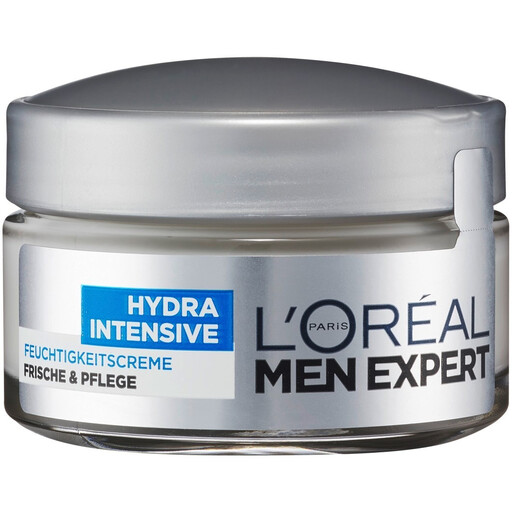
Why this product suits this profile: The cream is indicated for dry, normal and sensitive skin and can be used in the morning and evening. The product description mentions glycerin, a fast-absorbing texture and an alcohol-free formula.
The product information clearly explains the texture, when to use it and which skin types it is intended for, rather than relying solely on a general moisturising claim. Fragrance and allergens should still be checked in the INCI list.
Glycerin as a humectant, a 50 ml size and use in the morning and evening.
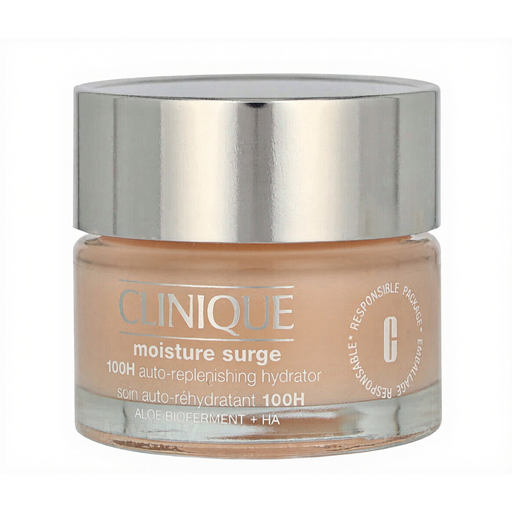
Why this product suits this profile: According to the product information, the oil-free gel texture contains aloe bioferment, glycerin and sodium hyaluronate. It is described as fragrance-free, paraben-free and phthalate-free, and is suitable for use under make-up.
The lightweight formula reduces the risk of a greasy feel on the skin. Before buying, check the current ingredients list on the packaging against your own individual tolerance.
Oil-free gel cream with aloe bioferment and hyaluronic acid; 30 ml for daily skincare or trying the product for the first time.
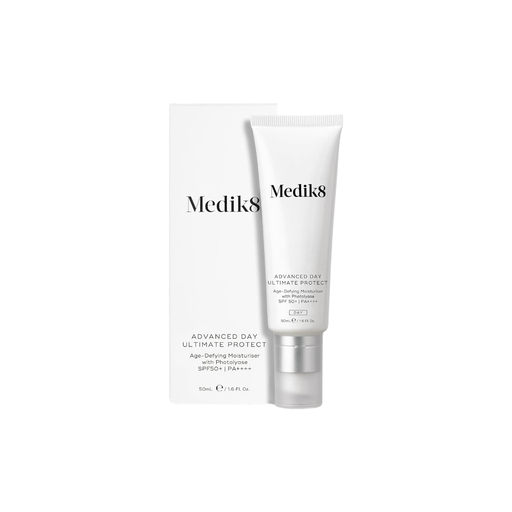
Why this product suits this profile: According to the product information, this day moisturiser combines SPF 50+ PA++++ with squalane and hyaluronic acid. It is aimed at people who prefer to combine morning moisturising and high UV protection in one product.
The specific SPF value and the manufacturer's recommendation of five pumps for the face provide clear guidance. Reapplication is required during prolonged sun exposure.
SPF 50+ PA++++, squalane and hyaluronic acid in a morning moisturiser.
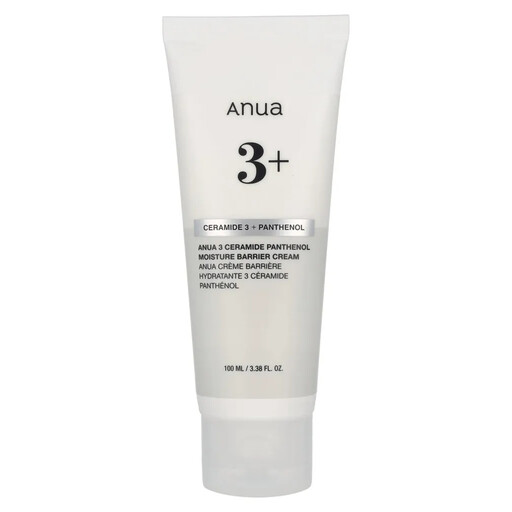
Why this product suits this profile: According to the stated INCI list, this Korean moisturiser contains ceramides NP, AP and EOP, panthenol, glycerin and hyaluronic acid. The texture is described as rich yet lightweight.
The three ceramides and panthenol are named specifically. As formulas can change, check the ingredients list on the physical packaging before every order.
100 ml content, three types of ceramide, plus panthenol and hyaluronic acid according to the product information.
Apply moisturiser to your face, and often your neck too, after cleansing. If your skin is very dry, applying a thin layer initially may be better tolerated than using a large amount. New products should be tested on a small area of skin. Stop using the product if redness, stinging or itching occurs. Avoid contact with the eyes.
If you are looking for intense hydration for your face, you can combine a lighter moisturiser in the morning with a richer cream in the evening. Apply sun protection products last during the day. With a face cream with SPF, the stated level of protection is only realistic when the product is applied sufficiently and evenly.
We have put together a complete, regularly updated list of products that fully meet these strict selection criteria and the safety regulations applicable in the EU.
For dry skin, rich creams containing glycerin, lipids, shea butter or ceramides may be suitable. A face cream with ceramides may be particularly worth considering if your skin tends to feel tight and lose moisture. However, individual tolerance remains the deciding factor.
Hyaluronic acid is often used to bind moisture and is included in many formulas. However, whether a product is suitable depends on the formula as a whole. Fragrance, essential oils and other ingredients should be given particular consideration if you have sensitive skin.
The printed expiry date and the PAO symbol on the packaging are the key guides, for example “12M” means twelve months after opening. A change in colour, an unusual smell or a different consistency are all reasons to stop using the product.