
Lieferung heute & morgen

Qualitätsgarantie

Willkommens-Angebote freischalten: KOSTENLOSE Lieferung | Bis zu 80 % RABATT | Kostenlose 30-Tage-JoyPlus-Testphase
App herunterladen
A facial moisturising gel should hydrate the skin, absorb quickly and leave no unpleasant greasy film. However, not every face gel suits every skin type. Some formulations contain fragrances or essential oils, while others are designed for the body or create a different skin feel than expected because of silicones and rich lipids.
A gel-like texture says little about how well a product is tolerated. Parfum, essential oils and certain plant extracts may be relevant for sensitive skin. If you are looking for a soothing face gel, check the full INCI list rather than relying solely on terms such as “Cooling”, “Calming” or “Sensitive”.
Humectants such as Glycerin, Hyaluronic Acid and Urea bind water. However, they do not automatically replace all nourishing ingredients. A pure gel may be too light for dry skin if additional skin-nourishing lipids or a cream are needed. A moisturising gel for dry skin should therefore suit your individual skin barrier and the time of year.
A cooling after-sun gel or hand care product may be suitable for its intended area of application, but it does not necessarily replace your preferred facial moisturiser. Products containing alcohol, fragrances or essential oils should be assessed particularly carefully if your facial skin is sensitive or irritated.
The combination of several ingredient groups is crucial for a pleasant skin feel:
A hyaluronic acid gel can feel light and fresh. However, the name alone does not indicate how high the concentration is or whether additional nourishing ingredients are included. The current ingredients list on the packaging remains the deciding factor.
An oil-free moisturising gel often feels lighter than a cream. However, “oil-free” does not necessarily mean that a product will feel completely matte. Silicones, gelling agents and film-forming ingredients can also influence how it feels on the skin.
For combination and oily skin, lightweight gel creams with a non-sticky finish are often practical. Dry skin may benefit from a gel cream that also contains lipids or ceramides. With sensitive skin, a short, easy-to-read INCI list is not automatically better, although it can make it easier to assess your personal tolerance.
50 ml is suitable for daily facial care and for trying a product out. Larger packs, such as 150 to 210 ml, are practical if you also want to use a gel on your neck, hands or body. With after-sun products, check whether they are specifically intended for use on both the face and body.
Before applying a product over a larger area for the first time, it is advisable to carry out a small skin tolerance test. If burning, redness or a rash occurs, wash the product off and stop using it. Cosmetic moisturising gels are not intended to treat skin conditions.
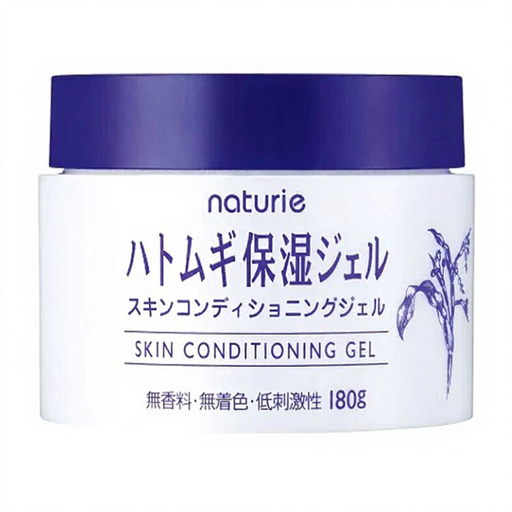
Why this product suits the profile: The 180 g pack is appealing if you want to use a face gel regularly and on your body too. According to the product information, the formulation is free from fragrances and colourants.
The clear product information makes it easier to compare the formula with your personal fragrance preferences. It is not limited to use on the face.
Large pack size, gel texture and suitability for the face and body. The INCI list includes Glycerin and Dimethicone, among other ingredients.
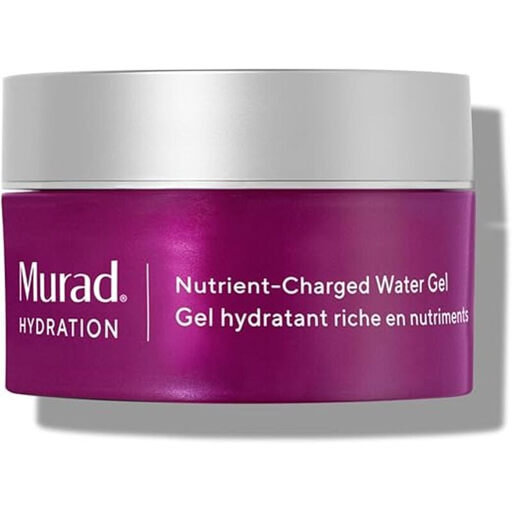
Why this product suits the profile: According to its INCI list, this oil-free water gel combines Glycerin, Hyaluronate, Ceramides, Cholesterol and other nourishing ingredients.
The term “Water Gel” is supported by specific composition details. The manufacturer’s claim regarding the clinical study should be viewed as a brand statement and does not replace an individual skin assessment.
Oil-free gel base, 50 ml contents, plus Ceramides and Sodium Hyaluronate in the stated INCI list.
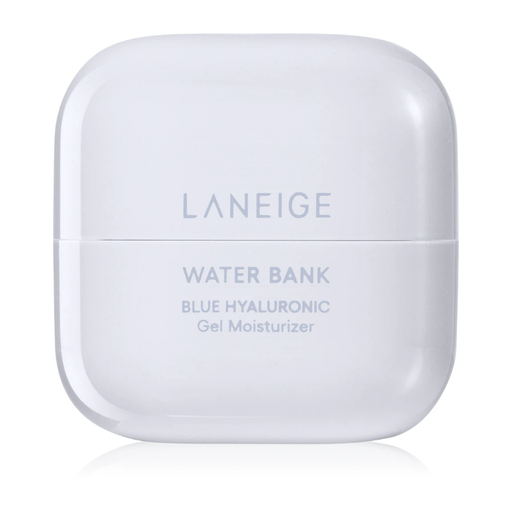
Why this product suits the profile: According to the product description, this Korean moisturising gel is offered for combination and oily skin and has a lightweight gel-cream texture.
The target audience is clearly specified. However, the INCI list includes fragrance, among other ingredients, so a patch test is advisable for sensitive skin.
Lightweight gel cream, suitable for morning and evening use, with Glycerin, Betaine and hydrolysed Hyaluronic Acid in the ingredients list.
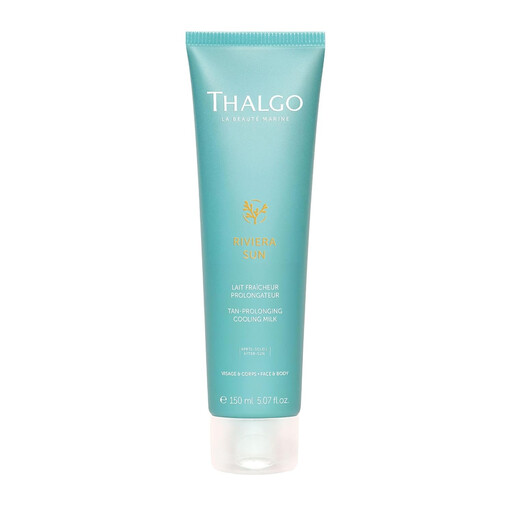
Why this product suits the profile: According to the product information, this milk-in-gel lotion is intended for use on the face and body after sun exposure, making it suitable for a clearly defined seasonal purpose.
The product type and area of application are clearly stated. According to the warning notice, it is not intended for severely reddened, damaged or sunburnt skin.
150 ml contents, Aloe Vera Juice, Squalane and Sodium Hyaluronate according to the INCI list; the texture is described as a fast-absorbing lotion.
We have put together a complete, regularly updated list of products that fully meet these strict selection criteria and the safety regulations applicable in the EU.
An Aloe Vera gel or cooling after-sun gel can feel pleasant in summer. It should not be applied to damaged skin. For your hands, specially designated products such as L'OCCITANE Verbena Cooling Hand Cream Gel are more suitable, as they are formulated for this area of application.
Yes, provided the formulation contains enough nourishing ingredients in addition to humectants. For very dry skin, a lightweight gel may not be sufficient on its own. An additional cream can complement your skincare routine.
Most products are used morning and evening after cleansing. The manufacturer’s instructions and your individual skin tolerance are the deciding factors. If your skin is irritated, stop using the product if symptoms occur.
The specific shelf life is stated on the packaging, often using an open-jar symbol followed by a number of months. Changes in smell, colour or consistency are a reason to stop using the product. Storing it in a cool, dry place away from direct sunlight can help maintain product quality.