
Lieferung heute & morgen

Qualitätsgarantie

Willkommens-Angebote freischalten: KOSTENLOSE Lieferung | Bis zu 80 % RABATT | Kostenlose 30-Tage-JoyPlus-Testphase
App herunterladen
A good facial moisturising lotion is the cornerstone of any skincare routine. Yet, the market is saturated with products that promise rapid results but often fail to deliver on their claims. Many users invest in products that are unsuitable for their skin type, cause irritation, or simply don't achieve the desired hydrating effect. This guide will help you understand the crucial criteria and make an informed choice.
Before we delve into the key features, it's helpful to recognise the most common marketing traps that can lead to poor purchasing decisions.
To find the right moisturising lotion, you should focus on objective criteria rather than marketing promises.
An effective hydrating cream or lotion binds water in the skin. Humectants are essential for this. Look for proven ingredients such as:
A good skincare product with hyaluronic acid often combines this active with other humectants to ensure comprehensive hydration.
The best moisture is of little use if the skin cannot retain it. An intact skin barrier is crucial to prevent moisture loss and protect the skin from external aggressors. This is particularly important for a facial lotion for dry skin and a lotion for sensitive skin. Look for formulations that help strengthen the skin barrier:
The texture should suit your skin type and preferences. A light facial cream or lotion is often formulated on a water or gel basis and is well-suited for normal to oily skin or for morning use. Drier skin types often benefit from richer emulsions.
The Japanese skincare trend has demonstrated how effective watery, lightweight lotions can be as a first hydration step, followed by other skincare products. Also, ensure the product is free from potentially irritating substances like denatured alcohol and added fragrances, especially if you have sensitive skin.
Here are some product recommendations tailored to different needs and skin types.
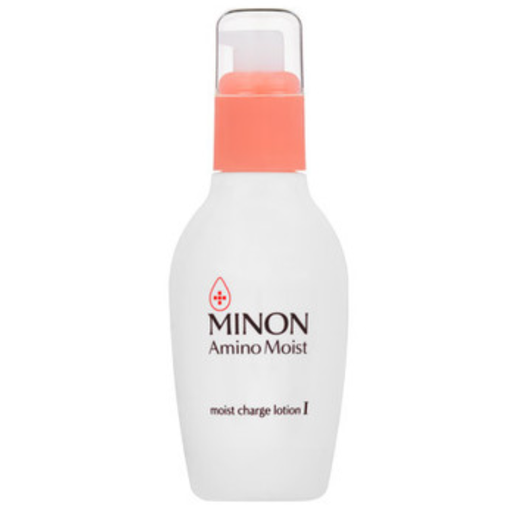
Why it's a match: This lotion was specifically developed for the needs of sensitive and dry skin. The formula focuses on a blend of nine moisturising amino acids to gently hydrate the skin and improve its natural moisture base.
The formulation is free from fragrances, dyes, alcohol, and parabens. It relies on a functional composition rather than sensory appeal, thereby minimising the risk of irritation.
The lightweight texture absorbs quickly without being sticky, optimally preparing the skin for subsequent skincare steps. The focus is on the long-term improvement of the skin's moisture reservoir.
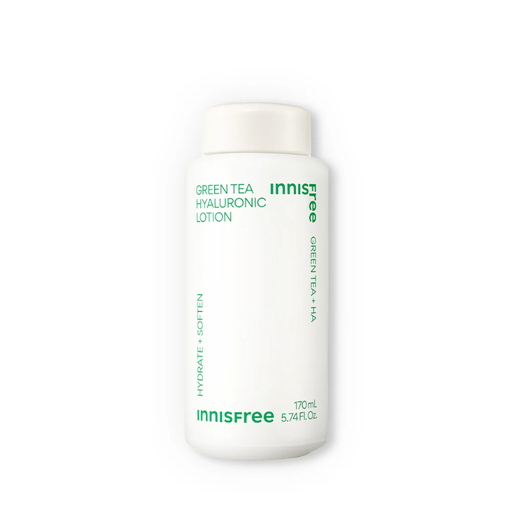
Why it's a match: Ideal for users seeking intense hydration without a heavy feeling. The lotion combines green tea extract with a 5-type hyaluronic acid complex for deep, effective hydration.
Instead of relying on just one type of hyaluronic acid, this formula uses a complex of different molecular sizes. This bypasses the "single-ingredient" marketing trap and ensures multi-level hydration.
The formula helps to regulate the skin's oil-water balance. Its lightweight texture absorbs quickly, leaving the skin feeling supple but not greasy.
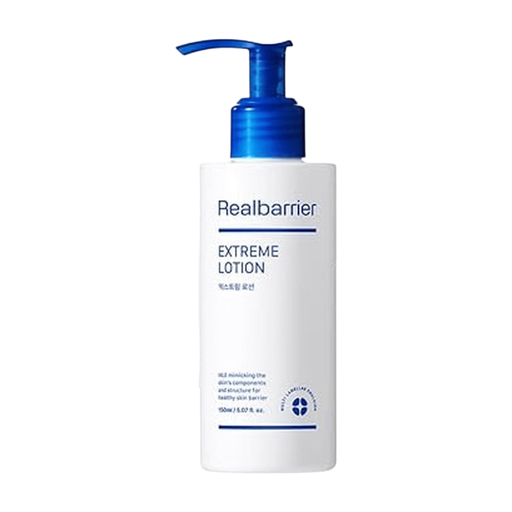
Why it's a match: This lotion is designed for users whose main goal is to repair and strengthen a compromised skin barrier. It contains a complex of three different ceramides and uses a special technology (MLE) that mimics the skin's lipid structure.
Instead of just adding moisture, this lotion addresses the root cause of dryness and sensitivity: a permeable skin barrier. The combination of ceramides, panthenol, and ectoin offers a comprehensive approach.
The mildly acidic pH formula is specially tailored for sensitive skin to prevent irritation. Despite its intensive nourishing effect, the texture absorbs well without leaving a sticky film.
We have compiled a complete, up-to-date list of products that fully meet these strict selection criteria and current regulations.
The main difference lies in the water-to-oil ratio. A moisturising lotion has a higher water content, giving it a lighter, more fluid consistency. It typically absorbs faster. A cream has a higher oil content, is thicker, and often forms a stronger protective layer on the skin, making it particularly suitable for very dry skin types.
In principle, yes; the ingredients are generally safe. However, it is often not cost-effective. Body lotions are designed for larger skin areas and are often cheaper to produce. Additionally, the skin on the face is thinner and more sensitive, which is why facial lotions have more specific formulations.
A moisturising lotion is typically applied after cleansing and after any watery products like toners or essences. It serves as a hydration step before applying richer creams, facial oils, or daily sunscreen. Apply it to a still-damp face to optimally lock in moisture.