
Lieferung heute & morgen

Qualitätsgarantie

Willkommens-Angebote freischalten: KOSTENLOSE Lieferung | Bis zu 80 % RABATT | Kostenlose 30-Tage-JoyPlus-Testphase
App herunterladen
An effective facial peel can visibly improve your skin's texture by removing dead skin cells and stimulating skin renewal. However, the market is overwhelming, and many products don't deliver on their promises. The wrong peel can damage your skin barrier or simply be ineffective. As your Joybuy Product Recommendation Officer, I'm here to help you avoid the most common purchasing pitfalls and make an informed decision.
Many users invest in products that are unsuitable for their skin type or goals. This not only leads to disappointment but can also place unnecessary stress on the skin. Pay close attention to these two points:
To find the right product, don't be swayed by marketing promises. Instead, focus on objective criteria. These two factors are crucial for a facial peel's efficacy and tolerability.
The type of exfoliation determines how a product works and who it's suitable for.
The product format influences the application and intensity of the treatment.
Based on these objective criteria, we have compiled a selection of products suitable for different user profiles and skin goals.
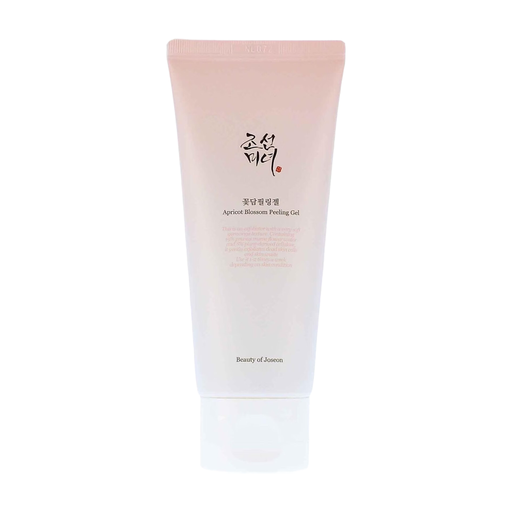
Why This Fits Their Persona: Ideal for those using a peel for the first time or whose skin is prone to irritation. The gommage texture provides controlled and gentle exfoliation without acids.
This gel avoids the pitfall of harsh particles by relying on plant-based cellulose. When massaged, it forms soft rolls that gently lift away dead skin without scratching the skin's surface.
The formula, with 19% Prunus Mume flower water, provides hydration during the peel. The skin doesn't feel dry or tight afterwards, but soft and refreshed.
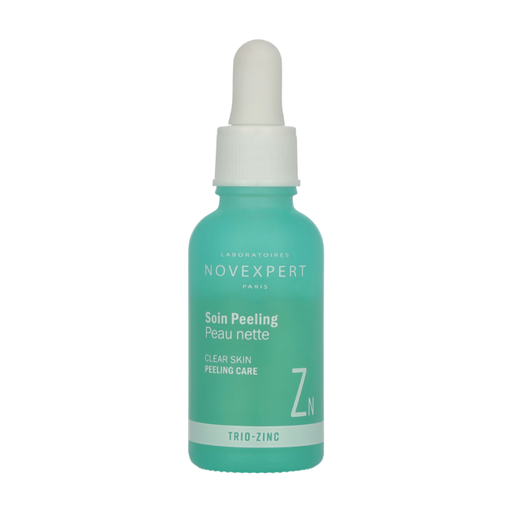
Why This Fits Their Persona: Suitable for those with oily or blemish-prone skin who are looking for a solution that goes beyond surface cleansing to deeply clarify pores.
This product relies on a clear combination of active ingredients: lactic acid (AHA), gluconolactone (PHA), and zinc. It avoids the trap of vague formulations by offering a targeted solution for blemish-prone skin, rather than making a vague "one-size-fits-all" promise.
According to the manufacturer, the formula is of 100% natural origin and is Cosmos Organic certified. The combination of exfoliating acids and sebum-regulating zinc addresses the root causes of blemishes.
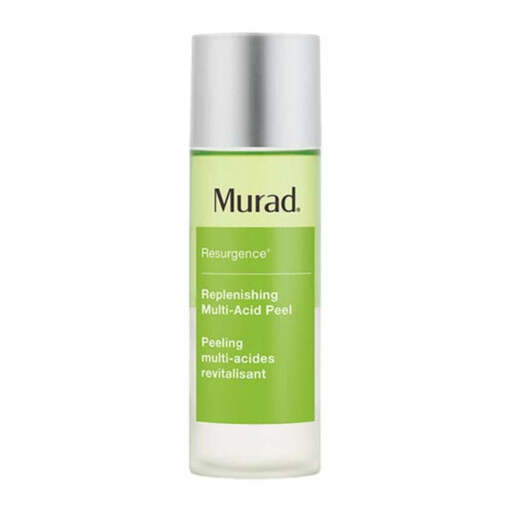
Why This Fits Their Persona: For experienced users who want visible results for uneven skin tone, dark spots, and fine lines, and are ready for a high-performance multi-acid formula.
This product avoids the trap of weak formulations with a two-phase technology. Phase 1 delivers an effective blend of AHA, BHA, and tranexamic acid for intense exfoliation, while Phase 2 nourishes the skin with conditioning oils to prevent irritation and dehydration.
The combination of multiple acids (glycolic, lactic, malic, salicylic, and tranexamic acid) enables multi-level skin renewal that works simultaneously on the surface and within the pores to improve texture and skin tone.
If you're looking for an intensive treatment in the form of a mask, we have a special selection for you. Discover products curated to meet the criteria for effective and gentle skin renewal.
The frequency of use largely depends on the product type and your skin's sensitivity. Gentle enzymatic or gommage peels can be used 1-2 times a week. Products with low-concentration acids (AHA/BHA) are often suitable for use every 2-3 days. High-concentration peels should only be used once a week or even less frequently. Always follow the manufacturer's instructions and monitor your skin's reaction.
Yes, absolutely. Acid peels, especially an AHA fruit acid peel, remove the top layer of skin, making the new skin underneath more sensitive to UV radiation. Therefore, daily use of a broad-spectrum sunscreen with at least SPF 30 is essential. This not only protects against sunburn but also prevents the formation of new dark spots.
The main difference lies in their solubility and mode of action.