
Lieferung heute & morgen

Qualitätsgarantie

Willkommens-Angebote freischalten: KOSTENLOSE Lieferung | Bis zu 80 % RABATT | Kostenlose 30-Tage-JoyPlus-Testphase
App herunterladen
A clear, refined complexion is a common skincare goal. A facial peel is often presented as the solution for treating dull skin, blemishes, or fine lines. However, the market is saturated with products whose promises often create more confusion than clarity. Before you make a decision, it's crucial to understand the most common pitfalls that can lead to unsuitable purchases and disappointing results.
As your Joybuy Product Recommendation Officer, I'm here to help you navigate the marketing messages and make an informed choice based on objective criteria and your skin's needs.
Many users invest in products that are unsuitable for their skin type. This is often due to two common misconceptions fuelled by marketing:
To find the right at-home peel, you should focus on two fundamental factors instead of marketing claims.
The method used to remove dead skin cells is the most important distinction. Each type has specific advantages and disadvantages.
Your choice should always be tailored to your individual skin condition and your objective.
Here are some product recommendations tailored to different needs and skin types.
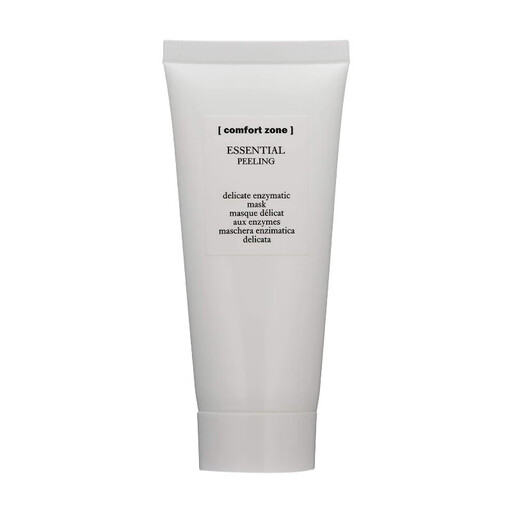
Why This Fits Their Persona: Ideal for those new to the world of peels or whose skin reacts quickly to acids. The enzymatic action provides gentle renewal without mechanical irritation.
This product bypasses the trap of aggressive acids. Instead of relying on high concentrations, it uses a gentle enzyme peel that specifically removes dead cells without stressing the skin barrier.
The formula, with 96% ingredients of natural origin, is clinically and dermatologically tested for sensitive skin, according to the manufacturer. Betaine and panthenol also provide a soothing effect.
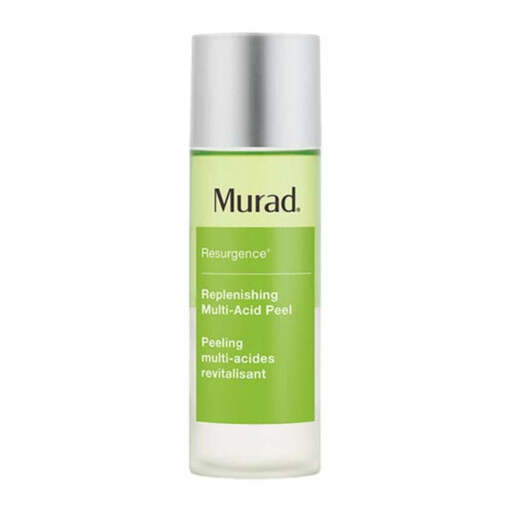
Why This Fits Their Persona: For experienced users seeking an effective solution to reduce pigmentation spots, fine lines, and uneven skin tone, and who are willing to invest in an advanced formula.
This product is not a vague "all-in-one" promise. It specifically combines different acid types (AHA, BHA, Tranexamic Acid) for a multi-level effect, thereby addressing specific skin concerns like uneven texture and discolouration.
The two-phase formula combines the exfoliating action of the acids with a nourishing phase of oils and antioxidants. This helps to strengthen the skin barrier and prevent dryness.
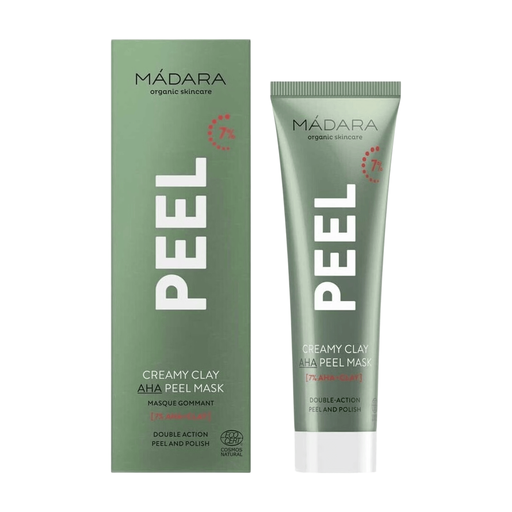
Why This Fits Their Persona: An excellent choice for those with combination or oily skin who are looking for a peel mask that not only exfoliates but also absorbs excess sebum and clarifies pores.
This product avoids the trap of focusing solely on concentration. The 7% lactic acid is effective, but the formula is balanced with white clay and jojoba oil to clarify and soothe the skin simultaneously, rather than just irritating it.
The combination of chemical peeling (AHA) and physical cleansing (clay) offers a dual action: the skin's surface is smoothed while impurities are drawn out from the pores.
We have compiled a complete, up-to-date list of products that fully meet these strict selection criteria and German safety regulations.
The frequency of use depends heavily on the product type and your skin's tolerance. For a gentle enzyme peel or mechanical peel, 1-2 applications per week may be sufficient. With a chemical peel containing AHAs or BHA, it is advisable to start with one application per week and observe your skin's reaction. Always read the manufacturer's instructions, as over-exfoliation can weaken the skin barrier.
Yes, absolutely. Acids like AHAs and BHAs remove the top layer of dead skin cells, making the new skin underneath more sensitive to UV radiation. The daily use of a broad-spectrum sunscreen with a high SPF is essential after a chemical peel to prevent sun damage and the formation of new pigmentation spots.
The main difference lies in the mechanism of action. An AHA peel (e.g., with glycolic acid) dissolves the "glue" that holds dead skin cells together, thus promoting their removal. An enzyme peel, on the other hand, breaks down the proteins within the dead skin cells, essentially "digesting" them. In general, enzyme peels are considered the gentler method and are therefore often better suited for very sensitive skin.