
Lieferung heute & morgen

Qualitätsgarantie

Willkommens-Angebote freischalten: KOSTENLOSE Lieferung | Bis zu 80 % RABATT | Kostenlose 30-Tage-JoyPlus-Testphase
App herunterladen
A radiant, even complexion is a common skincare goal. A facial peel is often seen as the key to skin renewal. However, the market is saturated with products whose promises don't always live up to the hype. Incorrectly chosen peels can weaken the skin barrier and lead to irritation instead of delivering the desired results. As your Joybuy Product Recommendation Officer, I'll help you identify the crucial features and avoid common purchasing pitfalls.
Before choosing a product, it's helpful to be aware of common marketing traps that often lead to regrettable purchases.
To find the right product, you should focus on objective criteria rather than just marketing claims. The following three parameters are crucial for your selection.
The type of exfoliation is the most fundamental differentiator. Each method is suited for different skin conditions.
An exfoliant is only as good as its overall formulation. In addition to the peeling agent, the supporting ingredients are crucial for tolerability and a nourishing effect. Look for soothing and hydrating components like hyaluronic acid, glycerin, panthenol, or aloe vera. These help to stabilise the skin barrier during and after application and prevent irritation. The texture—whether a peeling mask, gel, lotion, or pre-soaked pads—also influences the user experience and suitability for your skin type.
Instead of making a blanket recommendation, we've identified products tailored to specific user profiles and their needs.
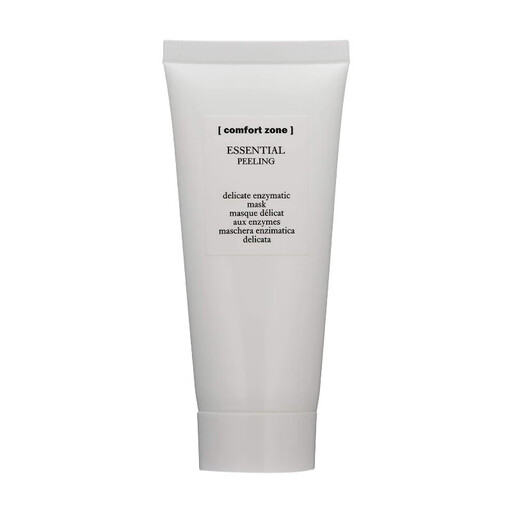
Why This Fits Their Persona: Ideal for those new to peels or who have reactive skin. The enzymatic action provides gentle exfoliation without mechanical friction or potentially irritating acids.
This product avoids the high-concentration trap by relying on gentle enzymes instead of aggressive acids. The formula is explicitly designed for sensitive skin.
Contains Betaine and Panthenol to soothe and hydrate the skin. The enzymatic action is effective yet gentle enough for use even in colder climates.
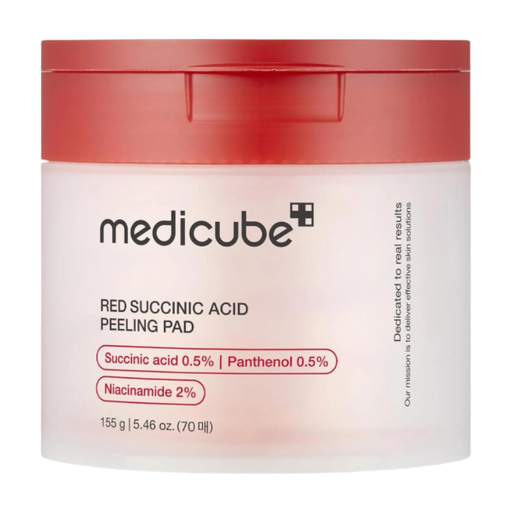
Why This Fits Their Persona: Perfect for individuals seeking a convenient and targeted solution for blemishes and clogged pores. The pads are easy to use and ideal for a quick, effective routine.
This product avoids the "one-size-fits-all" trap with its specific formula of succinic acid and AHA, which directly addresses the needs of blemish-prone skin.
The combination of succinic acid, panthenol, and niacinamide not only exfoliates but also soothes and balances the skin. The pad format ensures a hygienic and straightforward application.
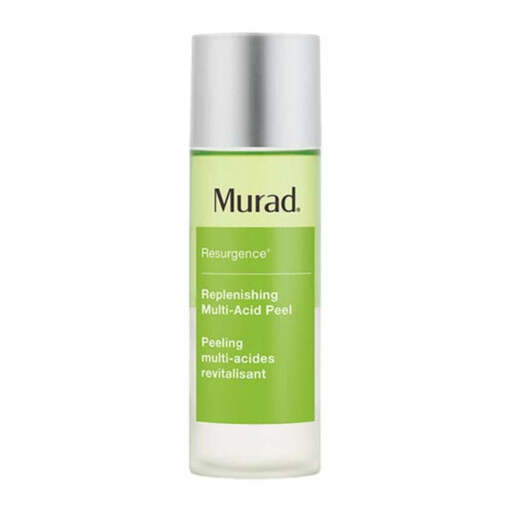
Why This Fits Their Persona: For experienced users looking for a high-performance, multifunctional chemical peel to combat signs of ageing, uneven skin tone, and dullness.
This product combines an effective acid phase (AHA, BHA, Tranexamic Acid) with a nourishing oil phase. This bi-phase formula actively counteracts the dryness and irritation that can occur with highly concentrated peels.
The bi-phase formula accelerates cell renewal while strengthening the moisture barrier. Adaptogenic holy basil and omega-rich oils provide antioxidant and protective benefits.
We have compiled a complete, up-to-date list of products that fully meet these strict selection criteria and rigorous safety standards.
The frequency of use depends heavily on the type of peel and your skin type. Gentle enzymatic or mechanical peels can be used 1-2 times a week on non-sensitive skin. With chemical peels containing AHA or BHA, caution is advised: start with once a week and observe your skin's reaction. For sensitive skin, an application every 10-14 days may be sufficient. Always follow the manufacturer's recommendations.
Yes, absolutely. Chemical peels, especially those with AHA, remove the top layer of dead skin cells, making the new skin underneath more sensitive to UV radiation. Using a broad-spectrum sunscreen with a high SPF (30 or higher) the day after application and for the following week is essential to prevent sun damage and the development of hyperpigmentation.
The main difference lies in their solubility. AHA (Alpha-Hydroxy Acids), like glycolic acid, are water-soluble and work primarily on the skin's surface. They are ideal for refining skin texture, brightening the complexion, and smoothing fine lines. BHA (Beta-Hydroxy Acid), namely salicylic acid, is oil-soluble. This allows it to penetrate into the pores and cleanse them from within, making it particularly effective for oily skin, blackheads, and acne.