
Lieferung heute & morgen

Qualitätsgarantie

Willkommens-Angebote freischalten: KOSTENLOSE Lieferung | Bis zu 80 % RABATT | Kostenlose 30-Tage-JoyPlus-Testphase
App herunterladen
A facial peeling gel can help remove dead skin cells and excess residue from the skin’s surface. However, the word “gentle” on the packaging is not the only factor that matters. Depending on your skin type, the ingredients and how it is used, one product may be better suited to dry, sensitive or blemish-prone skin.
A scrub for sensitive skin may still contain acids, fragrances, essential oils or mechanically exfoliating particles. Even a gel that forms small rolls when massaged does not remove skin flakes exclusively: these often also contain components of the gel formulation. The visible product build-up is therefore not, by itself, proof of particularly intensive cleansing.
Plant extracts such as heartleaf, apricot blossom water or citrus extracts may be included in a formulation. However, they do not indicate whether a face scrub will suit your individual skin. If you have a known allergy, check the full INCI list. The ingredients listed on the product packaging are the key reference, as formulations may change.
A peeling for dead skin cells should be suitable for your skin and the rest of your facial care routine. Exfoliating too often or combining several acid products can cause tightness, redness or stinging. The frequency stated on the product is therefore an important guide.
A mechanical facial scrub works with particles or a massaging action. With modern peeling gels, cellulose often provides part of this effect. A chemical facial peel, on the other hand, uses acids such as AHA or LHA to loosen components of superficial skin cells. Enzymatic formulations rely on enzymes and are usually offered as a mask or gel.
The type of product should not be chosen based on advertising claims alone:
Pay attention to the combination of exfoliating components and caring ingredients. Glycerin, aloe, panthenol or hyaluronic acid are often used to help create a comfortable skin feel. Fragrances or essential oils may be relevant for people with sensitive skin.
The quantity is also a practical consideration. A peeling gel containing 90 to 120 ml will usually provide several applications when used weekly; pads or a 30-ml bottle will have a different coverage. So do not compare the price alone. Also consider the contents, recommended frequency and amount of product needed per application.
Peels are generally applied to cleansed, dry skin and then rinsed off. Avoid the eye and lip areas, as well as broken or irritated skin. With acid-based products, wearing sun protection during the day is particularly important. If persistent redness, swelling, itching or stinging occurs, stop using the product. If the symptoms continue, it is advisable to seek dermatological advice.
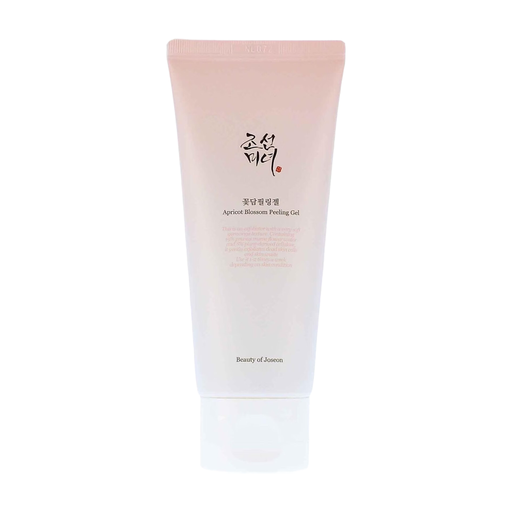
Why this product suits the profile: The 100-ml tube and approximately 20-second massage make it an uncomplicated introduction to regular facial exfoliation. According to the product description, the formulation contains 19 % Prunus-Mume blossom water and 8 % plant-based cellulose.
The selection gives specific ingredient percentages instead of relying solely on general terms such as “natural” or “radiant”. The directions are short and clearly explained.
Plant-based cellulose, blossom water and a formulation intended for use on the face and body.
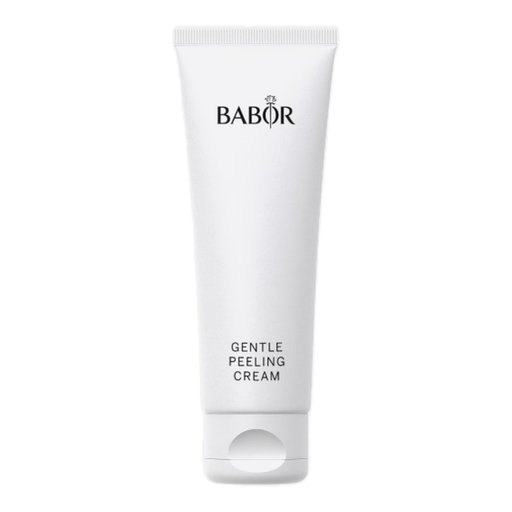
Why this product suits the profile: According to the product information, the creamy formulation is intended for dry and sensitive skin. Jojoba wax and cellulose provide the mechanical exfoliating action.
The ingredients list clearly shows the oils, shea butter and humectants included. This makes it easier to compare the formulation with how your own skin feels.
Jojoba wax, cellulose, vitamin E and recommended use once or twice a week.
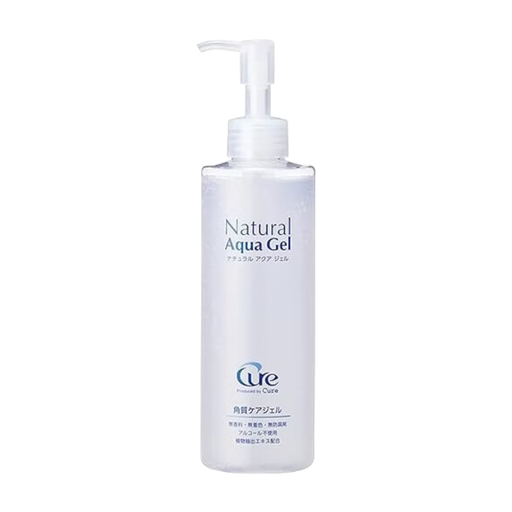
Why this product suits the profile: The 250-g size is designed for longer-term use. According to the product description, the gel is intended for the face and body and is free from fragrances, colourants, parabens and alcohol.
The generous quantity and the absence of several commonly advertised additives make it easier to estimate both coverage and formulation.
250 g of product, with an alcohol-free and fragrance-free formulation according to the product information.
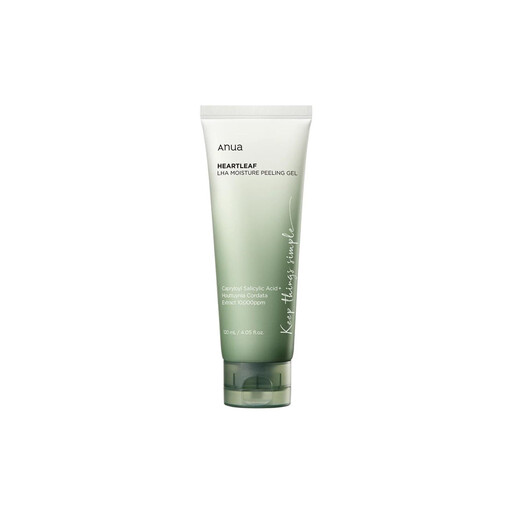
Why this product suits the profile: According to the product description, the formulation combines LHA with heartleaf extract and cellulose. This makes it interesting for anyone looking for a pore-cleansing gel exfoliator with a recommended usage of once or twice a week.
The term “LHA” is supported by the specifically named ingredient Capryloyl Salicylic Acid. At the same time, you should initially monitor how your skin reacts by testing the product on a small area.
LHA, cellulose, glycerin and 120 ml of product according to the product information.
If you have active skin concerns, broken skin or are undergoing dermatological treatment, seek professional advice before use. A peel is not a substitute for targeted treatment of acne or other skin conditions.
We have put together a complete, regularly updated list of products that fully meet these strict selection criteria and the safety regulations applicable in the EU.
Many products recommend using them once or twice a week. If you have sensitive or dry skin, leaving a longer gap between applications may be advisable. The key factors are the manufacturer’s instructions, the acids included and how your own skin reacts.
AHA, such as lactic acid or glycolic acid, is often used for superficial exfoliation and rough skin texture. LHA is an oil-soluble acid ingredient intended in some formulations to care for blemish-prone skin and clogged pores. Both variants can cause irritation and should not be combined indiscriminately.
The best-before date and the period after opening are stated on the packaging. Heat, direct sunlight and significant temperature fluctuations can affect product quality. Store the peel in a dry place away from light, and check its smell, colour and consistency before use.