
Lieferung heute & morgen

Qualitätsgarantie

Willkommens-Angebote freischalten: KOSTENLOSE Lieferung | Bis zu 80 % RABATT | Kostenlose 30-Tage-JoyPlus-Testphase
App herunterladen
A facial serum can complement your skincare routine in a targeted way, but it is not automatically a miracle product. What matters most is your skin’s needs, tolerability and a transparent INCI list. If you focus only on terms such as “anti-aging”, “glow” or “intensive care”, you may easily end up buying a product that is not suited to your skin.
This Joybuy Product Recommendation Officer buying guide explains what women and men in Germany should look for in 2026—from hydration and pigmentation to the correct use of retinol and retinal.
A niacinamide serum with 15 or 20 percent may initially sound particularly potent. However, a high concentration can feel uncomfortable on sensitive skin or skin that is not yet accustomed to active ingredients. The same applies to vitamin C, retinol and acids: the percentage alone is not decisive. The formulation, pH value, stability and packaging all influence how practical a product is to use.
Terms such as “brightening serum”, “anti-wrinkle serum” or “Korean facial serum” often describe an anticipated skin appearance rather than a guaranteed result. You should therefore check the complete INCI list, product volume, directions for use and warnings. Claims such as “clinically tested” should only be assessed in connection with a clearly stated source. According to Neutrogena’s product information, the Retinol Boost Serum is described as clinically tested; this does not constitute a guarantee of individual results.
Retinol, retinal, vitamin C, salicylic acid and highly concentrated niacinamide can be too much for a single routine. A gradual introduction is particularly advisable when using a retinol serum or retinal serum. If redness, burning or persistent irritation occurs, discontinue use and seek medical advice if necessary.
Check whether the concentration is actually stated. Medik8 Crystal Retinal 1 lists 0.01 percent stabilised retinal according to the product description. Medik8 Retinol 6 TR+ Intense Serum lists 0.6 percent retinol in its product information. These values cannot be compared directly because retinal and retinol are different vitamin A derivatives.
Ingredients that are sensitive to light and air also require suitable packaging. An airless pump or light-protective bottle may be more practical for everyday use than a container that is opened frequently. Product volume also affects the price per millilitre: 15, 20, 30, 50 or 150 ml should not be compared without converting the figures.
Cosmetic products intended for the German market should carry clear, traceable labelling. Important details include:
A patch test is advisable when introducing new active ingredients. Retinol and retinal are generally used in the evening. Sun protection should be applied in the morning. Pregnant or breastfeeding individuals should discuss the use of vitamin A cosmetics with a medical professional.
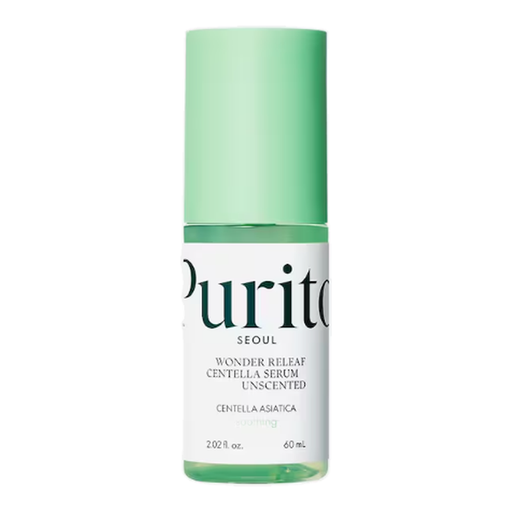
Why This Fits Their Persona: A fragrance-free 60 ml option for those looking for hydration and a streamlined combination of active ingredients to begin with.
The product information specifies 49 percent Centella asiatica extract, niacinamide, ceramide NP, sodium hyaluronate and several peptides rather than relying on a single marketing claim.
60 ml volume; fragrance-free formulation; suitable for use in the morning and/or evening.
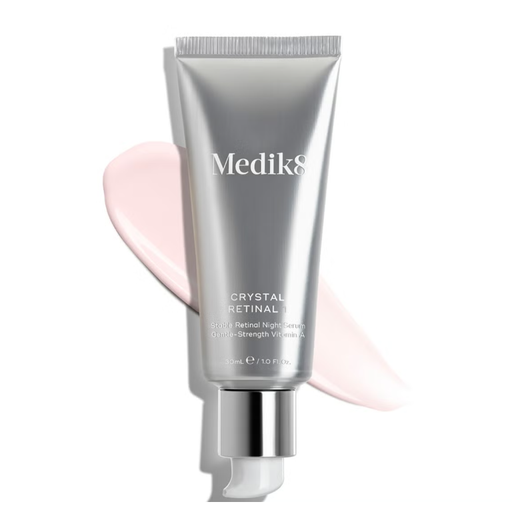
Why This Fits Their Persona: Designed for users who want to introduce retinal into their evening routine while following a gradual acclimatisation plan.
The stated concentration of 0.01 percent stabilised retinal is clearly specified. The manufacturer recommends a gradual introduction and sun protection in the morning.
Retinal with hyaluronic acid and glycerin; a clearly defined introduction across several usage stages.
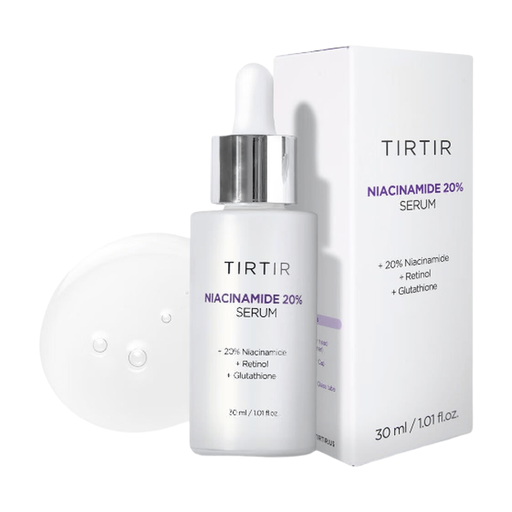
Why This Fits Their Persona: For experienced users who prefer a high-strength niacinamide serum with added hydrating benefits.
The 20 percent concentration is stated transparently. Because of the high dosage, a patch test and gradual introduction are advisable.
Alpha-arbutin and several forms of hyaluronic acid according to the INCI list; 30 ml volume.
Explore the complete selection of facial serums and compare products by active ingredient, skin type and intended use. Always check the current product description and labelling before purchasing.
Refer to the PAO symbol on the packaging—for example, “12M” indicates twelve months after opening. Store the serum in a cool, dry place away from direct sunlight. Retinol and vitamin C products should be closed particularly carefully.
This is generally a commonly used combination, provided your skin tolerates it. A simple routine consists of cleansing, retinol serum in the evening and a moisturiser. For sensitive skin, a hyaluronic acid or panthenol serum can provide straightforward hydration. New products should not be introduced at the same time.
No. Instead, compare the price per millilitre, active-ingredient information, packaging, skin tolerability and directions for use. A suitable hydrating serum with a clear INCI list may be more beneficial in everyday use than an expensive product containing numerous ingredients you do not need.