
Lieferung heute & morgen

Qualitätsgarantie

Willkommens-Angebote freischalten: KOSTENLOSE Lieferung | Bis zu 80 % RABATT | Kostenlose 30-Tage-JoyPlus-Testphase
App herunterladen
A facial serum may seem straightforward at first glance: a few drops, a lightweight texture and targeted care. However, the choice ranges from hydrating serum and vitamin C serum to retinal serum. If you focus only on bold marketing claims, eye-catching packaging or high ingredient concentrations, you can quickly end up buying a product that does not suit your own skin condition.
The Joybuy Product Recommendation Officer therefore filters the most important buying criteria and matches selected products to specific user profiles. The aim is not a blanket ranking, but a clear, justifiable selection based on ingredients, usage and skin needs.
Terms such as anti-ageing serum, firming serum or serum for wrinkles initially describe how a product is positioned. They do not guarantee a specific change to the skin. The deciding factors are the complete INCI list, the concentration of individual ingredients and regular use that the skin can tolerate.
Terms such as collagen, PDRN or exosomes should also be considered objectively. A collagen serum, for example, may offer hydrating and smoothing skincare benefits; however, this does not mean it has a medical or therapeutic effect.
A concentrated retinal serum may be appealing to experienced skincare users, but could be too demanding for beginners with sensitive skin. Retinal products are generally used in the evening and should be introduced into your routine gradually. During pregnancy, when trying to conceive or while breastfeeding, products containing vitamin A derivatives are not intended for use according to the available usage instructions.
The same applies to a vitamin C serum: a stable vitamin C derivative formulation may be an option for dull-looking skin, but a patch test, correct storage and daily sun protection are still important parts of using the product.
A very lightweight, alcohol-based serum may feel pleasant on oily skin, while dry or sensitive skin is more likely to benefit from glycerine, hyaluronic acid, panthenol, ceramides or squalane. Fragrances and certain plant extracts may be undesirable for sensitive skin.
When choosing a serum for dry skin, it is therefore not just the ingredient name that matters, but also the combination of humectants, lipids and a moisturiser applied afterwards. A serum for sensitive skin should ideally have a straightforward formula and should first be tested on a small area.
The ingredient list on the packaging is a more reliable basis for making a decision than marketing copy. In particular, check the following:
Product information may change from one batch to another. The current packaging should therefore always be checked before buying and before use.
Ingredients that are sensitive to light and air require suitable packaging. With a retinal product, a light-protective, tightly sealed container is particularly important. Glass ampoules should be used immediately after opening. For the Babor Resurface Radiance Ampoule Serum Concentrate, the product description specifically advises safe opening, storage in the original carton and immediate use.
A practical comparison should also cover:
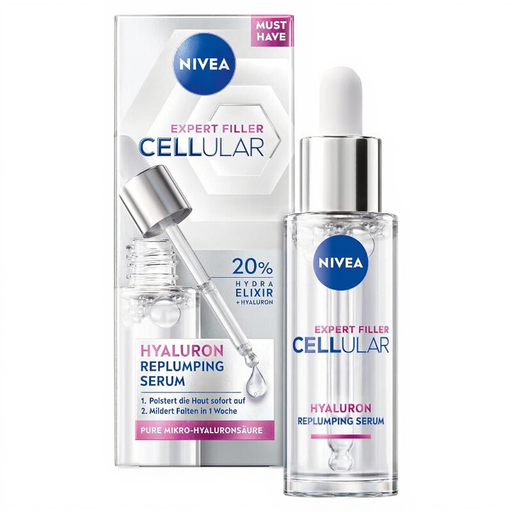
Why this product suits the profile: With a straightforward formula containing glycerine, Sodium Hyaluronate and aloe, it offers an easy-to-understand introduction to a hydrating serum for a daily morning and evening routine.
The purchase can be assessed based on a few clear ingredients and simple application, rather than relying on blanket anti-ageing claims.
30 ml content, hyaluronic acid in the INCI list and twice-daily use according to the product information.
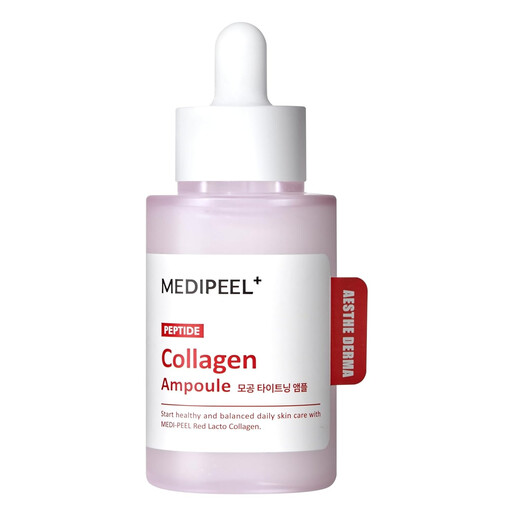
Why this product suits the profile: This ampoule combines hyaluronic acid, collagen, peptides, niacinamide and squalane, making it suitable for users looking for hydration and a firming serum in one product.
The choice can be assessed using the specific INCI list and 50 ml fill quantity; claims about long-lasting hydration come from the product description.
Vegan according to the product information, with several hydrating components and suitable for all skin types.
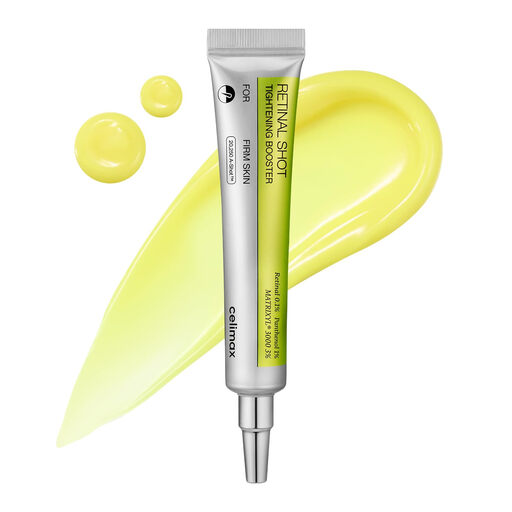
Why this product suits the profile: According to the product information, this retinal serum contains 0.1% retinal and is intended for users who want to target the appearance of pores, fine lines and loss of firmness as part of their evening routine.
According to the instructions, application begins with a very small amount on limited areas of skin. Strong acids or highly concentrated vitamin C should not be combined in the same evening routine.
0.1% retinal according to the product description, an encapsulated formula, plus peptides and panthenol.
We have put together a complete, regularly updated list of products that fully meet these strict selection criteria and the safety regulations applicable in the EU.
A Korean facial serum is often used as part of a multi-step skincare routine, but it is not automatically suitable for every skin type. More products do not necessarily mean more suitable skincare. With sensitive skin, a simplified routine is often easier to assess.
That depends on the active ingredient. A hyaluronic or hydrating serum is often used morning and evening. Retinal should initially be used on just a few evenings per week. The information on the packaging and your individual skin tolerance are the key factors.
Formulations containing glycerine, hyaluronic acid, panthenol, squalane or ceramides are worth considering. However, a serum does not necessarily replace a moisturiser for dry skin, as humectants can be supported by a final layer of skincare.
Combining them is not entirely ruled out, but it does increase the risk of overloading and irritating the skin. Retinal should initially be introduced on its own. According to the celimax booster’s product information, highly concentrated vitamin C, salicylic acid, AHA or other intensive exfoliants should not be used in the same evening routine.