
Lieferung heute & morgen

Qualitätsgarantie

Willkommens-Angebote freischalten: KOSTENLOSE Lieferung | Bis zu 80 % RABATT | Kostenlose 30-Tage-JoyPlus-Testphase
App herunterladen
A facial serum can provide targeted support for your daily skincare routine. The choice ranges from a hydrating serum with hyaluronic acid to a retinol serum for mature-looking skin. However, a high concentration of active ingredients or a striking promise on the packaging alone says little about whether a product is suitable for your skincare routine.
“10%”, “73%” or “five types of hyaluronic acid” may sound impressive. However, the whole product is what matters: which other ingredients does it contain, how should the serum be used, and is the combination suitable for your skin? A hyaluronic acid serum, for example, can bind moisture, but it will usually need to be followed by a cream to help support the skin’s protective barrier.
Even a serum for sensitive skin marketed as gentle can cause stinging, redness or itching in some people. Fragrance, alcohol, essential oils or several active ingredients may be relevant for reactive skin. A patch test on a small area of skin is therefore advisable.
An azelaic acid serum, an acid exfoliant and a retinol serum do not automatically belong in the same routine. Using them together can place greater strain on the skin. If you are just starting out, use one product initially and gradually increase the frequency. If problems persist, stop using the product and seek medical advice if necessary.
First, match the serum to your desired skincare goal:
The complete INCI list on the packaging is more informative than the front of the pack. In particular, check whether the product contains fragrance, essential oils, alcohol or several exfoliating active ingredients. If you have known intolerances, the product description should not replace checking the current packaging information, as formulations may change.
For purchases in Germany, details such as the responsible person in the EU, batch number and best-before date or period after opening are also relevant. Cosmetic products must comply with the requirements of the EU Cosmetics Regulation (EC) No 1223/2009. This does not mean, however, that every serum is suitable for every skin type.
Watery serums usually absorb quickly and are easy to use under a cream or sun care product. Creamy or emulsifying textures may feel more comfortable on dry skin. Also check the recommended amount: many products are dispensed drop by drop, while boosters or larger ampoules may offer a different level of coverage.
The basic order is: cleanser, toner optional, serum, moisturiser and sun protection in the morning. With retinol or acid products, evening application or reduced frequency is often advisable, unless the product instructions state otherwise.
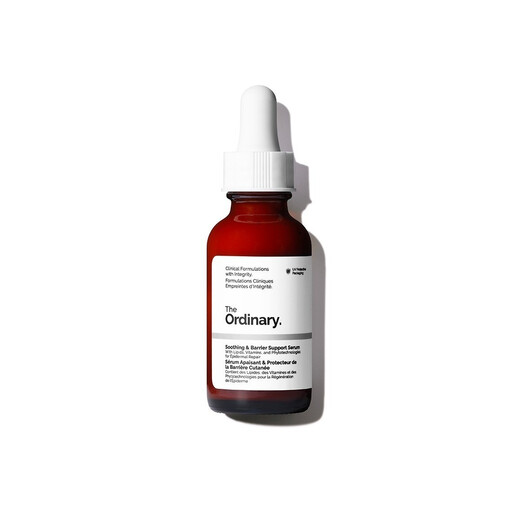
Why this product suits this profile: The formulation is designed to hydrate and support the skin barrier. This makes it suitable for beginners looking for a straightforward daily skincare routine.
The INCI list names ingredients including niacinamide, bisabolol, lipids and plant-derived ceramide components, rather than promoting just a single percentage.
Lightweight serum texture and suitability for morning and evening use according to the product instructions.
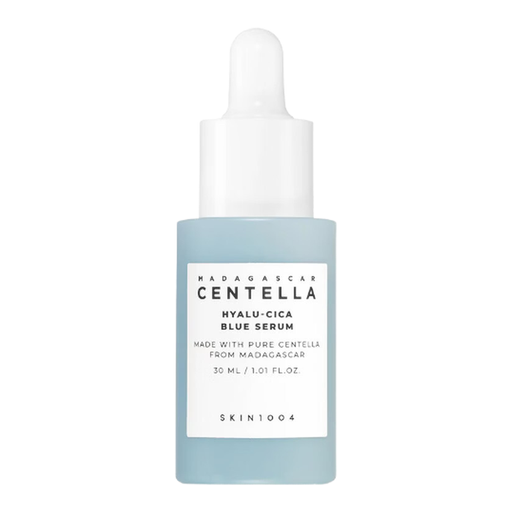
Why this product suits this profile: The formula combines Centella asiatica, panthenol, niacinamide, ceramide NP and several forms of hyaluronic acid. This is particularly interesting for buyers who like to compare ingredients in detail.
The description clearly identifies the humectants used and the lightweight water-gel texture, rather than simply highlighting a general glow effect.
30 ml content, non-sticky gel texture and suitability for daily use according to the product information.
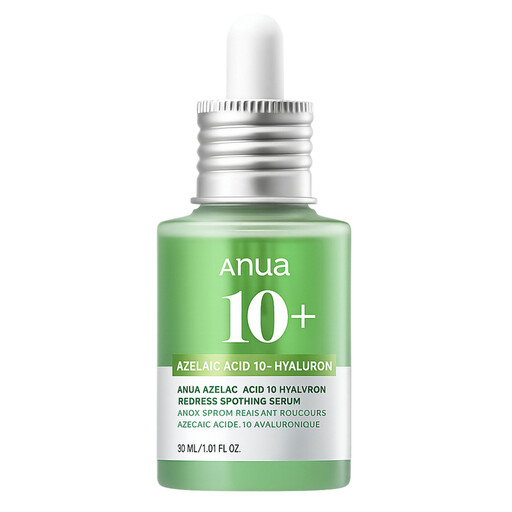
Why this product suits this profile: For users who want to combine an azelaic acid serum with hydration. The product information lists 10% azelaic acid, hyaluronic acid, panthenol and cica ingredients.
The recommended introduction phase of once or twice a week makes use more manageable than starting immediately with daily application of an active ingredient.
30 ml, watery texture and additional humectants; according to the product information, it is non-comedogenic and tested for low irritation.
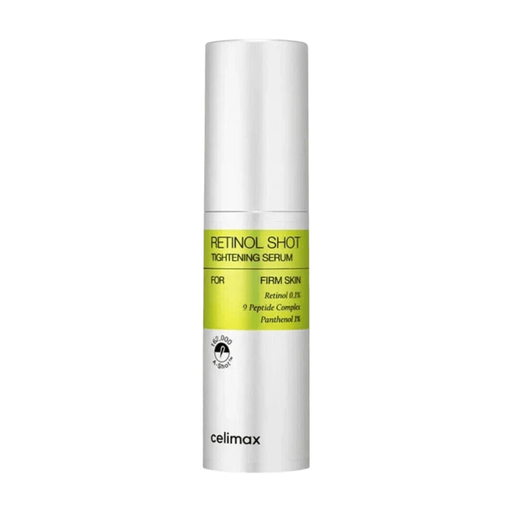
Why this product suits this profile: According to the INCI list, the serum contains retinol, bakuchiol, peptides, niacinamide and ceramide NP. It is intended for users who prefer a clearly defined evening application.
The instructions initially recommend applying one or two drops to selected areas. This makes it possible to monitor your individual tolerance step by step.
Sustained-release retinol according to the product description, with clear guidance on gradual use.
We have put together a complete, regularly updated list of products that fully meet these strict selection criteria and the safety regulations applicable in the EU.
A serum is normally applied after cleansing. Two to five drops are sufficient for many liquid formulations; the manufacturer’s specified dosage is the deciding factor. Follow with a moisturiser. Products containing retinol, retinal or exfoliating acids should be introduced gradually and not used on damaged skin. When using active ingredients in the morning, a broad-spectrum sunscreen with at least SPF 30 is advisable.
Shelf life depends on the printed date, batch number and the symbol indicating the period after opening. Colour, smell or consistency may change. In such cases, the product should no longer be used.
Hydrating serums are often used morning and evening. With retinol, retinal, acid or azelaic acid products, it is advisable to start slowly with just a few applications per week. The manufacturer’s instructions and your skin’s reaction are crucial.
Yes, different serums can generally be combined. However, active ingredients should not be layered indiscriminately. A simple routine with one main active ingredient per application makes it easier to assess compatibility.
This depends on the product, when it was opened and how it is stored. The information on the packaging and bottle takes precedence. Direct sunlight, intense heat and leaving the product open frequently can affect its quality.