
Lieferung heute & morgen

Qualitätsgarantie

Willkommens-Angebote freischalten: KOSTENLOSE Lieferung | Bis zu 80 % RABATT | Kostenlose 30-Tage-JoyPlus-Testphase
App herunterladen
A facial serum can be a targeted addition to your skincare routine. At the same time, high concentrations of active ingredients, trendy terms and vague promises can make choosing the right product more difficult. A serum labelled “Glow”, “Anti-Aging” or “Brightening” will not automatically suit every skin type. What matters is the complete INCI list, how the product is used and how well it fits into your individual skincare routine.
A high concentration may sound convincing at first. However, with niacinamide serums, vitamin C products or retinoids, a potent formula can be more demanding for sensitive skin. The percentage alone also says nothing about the product’s stability, base formula or how it combines with other active ingredients.
A niacinamide serum containing 15 or 20 per cent is therefore not automatically more suitable than a lower concentration. If your skin is prone to redness or feelings of tightness, start by using a small amount and monitor how your skin reacts.
Terms such as anti-ageing serum or serum for wrinkles generally describe the product’s intended cosmetic focus. They are not proof of a particular result. Retinol, retinal, peptides and moisturising ingredients take different approaches and require a suitable routine.
Especially when using a retinol serum or retinal product, it is sensible to introduce it gradually and apply sunscreen every day. Do not apply the product to irritated or damaged skin.
A hyaluronic acid serum can bind moisture, but it does not necessarily replace a cream or emulsion. For dry and sensitive skin, additional ingredients such as glycerin, panthenol, ceramides or squalane may be beneficial. A serum for sensitive skin should ideally have a straightforward formula and, where needed, be fragrance-free.
Check whether the active ingredient is clearly named and which form is included. With vitamin C, for example, pure ascorbic acid differs from stabilised derivatives. Retinol and retinal are not identical retinoids. A product containing several active ingredients may also be unsuitable for beginners if you are already using exfoliants, acids or other active skincare products.
Formulas that are sensitive to light and air require suitable packaging and proper storage. Also check the fill quantity: a 20-ml serum may last a long time when only a few drops are needed per application, while a 150-ml booster will be used differently. The information on the packaging, the batch number and the best-before or PAO symbol are the key details to check.
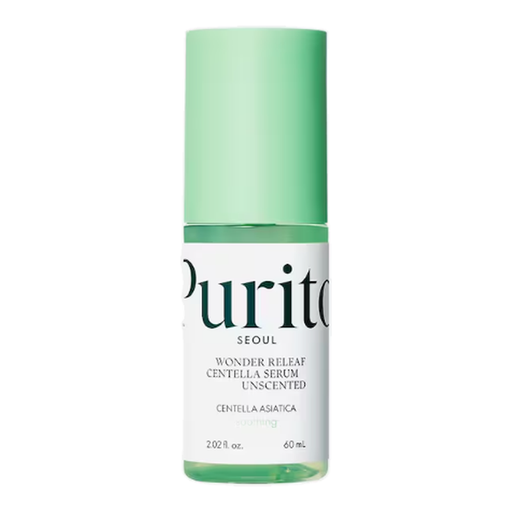
Why this product suits this profile: The fragrance-free formula combines 49% Centella Asiatica extract with niacinamide, Ceramide NP, Sodium Hyaluronate and several peptides. This makes it an appealing option for a straightforward hydrating and barrier-supporting routine.
The product description names specific ingredients and makes no fragrance claims. This makes it easier to assess the formula objectively against your own skincare needs.
60 ml content, fragrance-free formula, Centella Asiatica, Ceramide NP and hyaluronate.
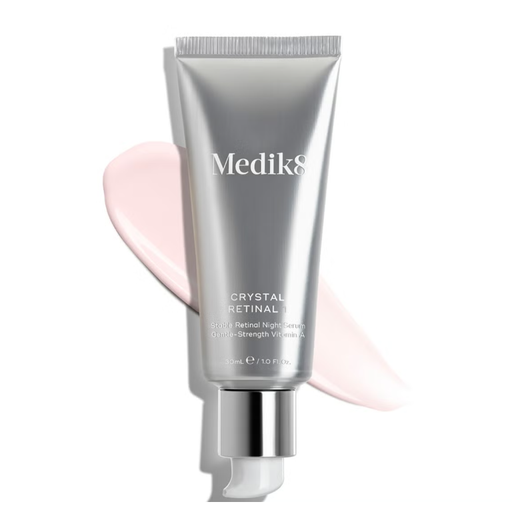
Why this product suits this profile: According to the product description, this night serum contains 0.01% stabilised retinal, along with glycerin, hyaluronic acid and vitamin E. The recommended application is two pumps in the evening.
The stated retinal concentration makes it easier to assess the product. The manufacturer recommends gradually increasing use from twice a week to more frequent application.
Stabilised retinal, hyaluronate and clearly defined dosage instructions for your evening routine.
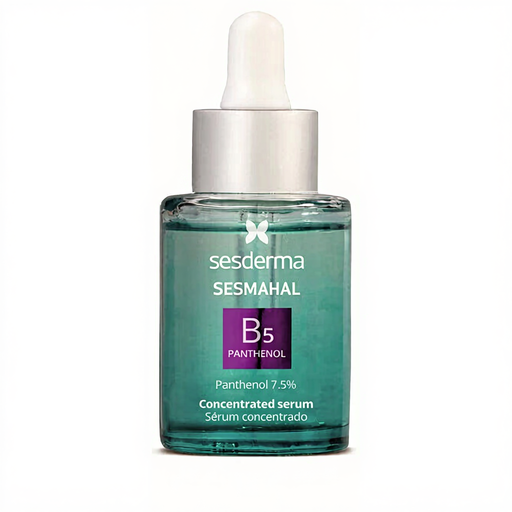
Why this product suits this profile: The serum combines panthenol with two molecular weights of hyaluronic acid. The product description highlights a lightweight, non-sticky texture and application after cleansing in the morning and evening.
Rather than focusing on numerous highly active ingredients, the formula centres on B5 and hyaluronic acid. This makes it easier to combine with a simple skincare routine.
Panthenol, two forms of hyaluronic acid and stated suitability for sensitive, stressed and very dry skin.
We have put together a complete, regularly updated list of products that fully meet these strict selection criteria and the safety regulations applicable in the EU.
Apply the serum after cleansing to slightly damp or dry skin, depending on the manufacturer’s instructions. A few drops or one to two pumps are usually enough. Follow with a cream if your skin needs additional care.
Retinol and retinal products should be introduced gradually. Avoid using large numbers of active products at the same time. In the morning, your routine should include sunscreen with an adequate sun protection factor, particularly when using vitamin A products. If you are unsure, experience severe irritation or are pregnant, consult a medical professional before choosing a product.
Use the PAO symbol and the printed expiry date as your guide. Changes in smell, colour or consistency may indicate that the product has deteriorated. Products that are sensitive to light and heat should be stored in a cool, dry place away from direct sunlight.
For a straightforward routine, one carefully selected serum is usually enough. Hydrating products can often be added without difficulty. When using retinol, potent vitamin C formulas, acids or highly concentrated niacinamide, it is sensible to apply them separately or build up use gradually.
The price depends on the fill quantity, form of active ingredient, packaging and brand. Therefore, do not compare only the price of the bottle. Also consider the price per 10 millilitres, recommended dosage and shelf life after opening. This helps you see whether a small concentrate or a larger everyday bottle is better suited to your personal usage.