
Lieferung heute & morgen

Qualitätsgarantie

Willkommens-Angebote freischalten: KOSTENLOSE Lieferung | Bis zu 80 % RABATT | Kostenlose 30-Tage-JoyPlus-Testphase
App herunterladen
A facial serum can be a targeted addition to your skincare routine. At the same time, the choice can be overwhelming: terms such as “Glow”, “Booster” or “Repair” reveal little about the actual formulation on their own. If you want to buy a serum for your face, you should therefore check the INCI list, active ingredient concentration and application instructions.
“Glass Skin”, “Youthful Glow” and “Deep Repair” are not consistently defined quality characteristics. More meaningful are specific details such as 5% niacinamide, 10% azelaic acid, the number of hyaluronic acid forms or a stated retinal content.
A Korean facial serum is not automatically suitable for every skin type either. K-Beauty serum primarily refers to a skincare approach or origin, not to a specific class of active ingredients.
A vitamin C serum, a retinol serum and a chemical exfoliant may each target different skincare needs. However, using several intensive formulations at the same time can place unnecessary stress on the skin. For sensitive or redness-prone skin, it is sensible to start gradually with one product at a time.
A 15-ml serum can be practical for targeted application, while 50 or 150 ml will last longer with daily use. What matters is not just the price of the bottle, but also the price per millilitre and the recommended dosage. With a blemish serum, only a small amount is often applied to individual areas, whereas a hydrating serum is generally used over larger areas.
First, match the product to your intended use:
A higher percentage is not automatically the right choice. With retinol or retinal products, it is advisable to begin with a low frequency of use. Products containing vitamin A derivatives are usually applied in the evening; during pregnancy, when planning a pregnancy or while breastfeeding, follow the relevant warnings and seek medical advice.
Before applying a product over a larger area for the first time, a patch test on a small area of skin may be sensible. If persistent redness, stinging, itching or swelling occurs, stop using the product. The information on the packaging is authoritative, as formulations may change.
Watery textures are often suitable as a lightweight layer under a cream. Emulsions or richer serums may feel more comfortable on dry skin. Light- and air-sensitive ingredients require suitable packaging and should be stored in a cool place away from direct sunlight.
Also check the net contents, shelf life, batch number and Period-after-Opening symbol. For products from abroad, the labelling and the responsible person in the EU should be traceable.
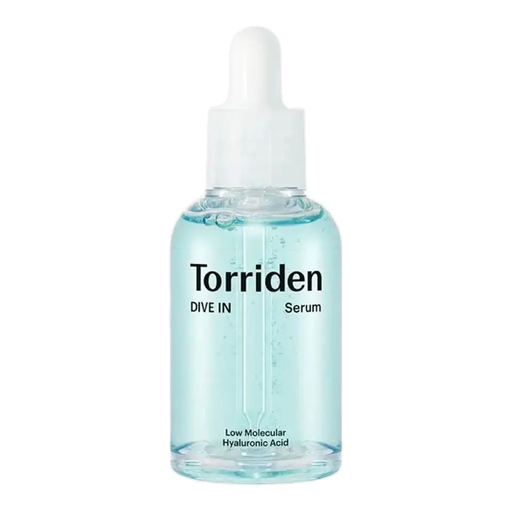
Why this product suits the profile: The 50-ml size and fragrance-free formulation make it easy to plan for a regular, hydration-focused routine.
Five listed forms of hyaluronic acid, panthenol and ceramides make the formulation more specific than simple glow claims.
50 ml, fragrance-free, with hyaluronic acid, panthenol, beta-glucan and Ceramide NP.
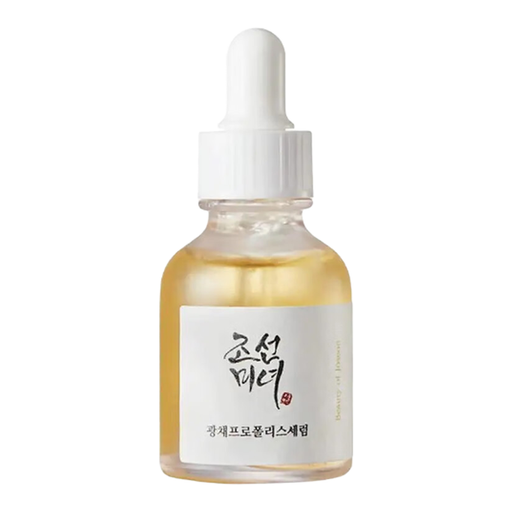
Why this product suits the profile: The combination of 60% propolis extract and 2% niacinamide is aimed at buyers looking for lightweight, hydration-focused care for skin that appears oily.
The percentages of propolis and niacinamide are clearly stated, making it easier to compare this product with formulations that do not specify concentrations.
30 ml, 2% niacinamide, 60% propolis extract and betaine salicylate in the listed INCI ingredients.
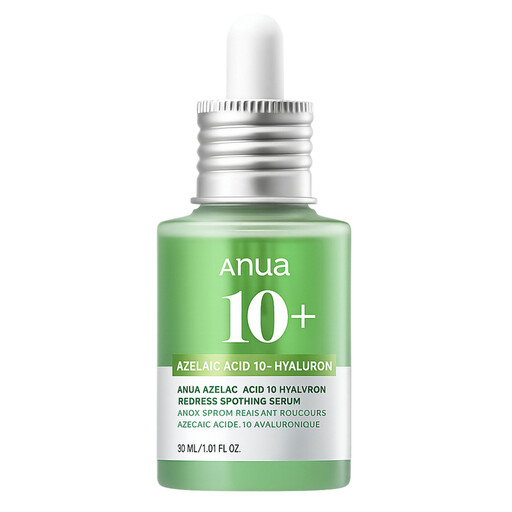
Why this product suits the profile: The formulation combines 10% azelaic acid with hyaluronic acid, panthenol and cica ingredients, and is intended for a routine built up gradually.
The instructions recommend starting with one or two applications per week, helping to avoid introducing an active ingredient too quickly.
30 ml, 10% azelaic acid, hyaluronic acid, panthenol and Ceramide NP according to the listed formulation.
We have put together a complete, regularly updated list of products that fully meet these strict selection criteria and the safety regulations applicable in the EU.
That depends on the active ingredient. A gentle hydrating serum is often used morning and evening. With retinol, retinal, azelaic acid or acids, it is sensible to start slowly with just a few applications per week. The specific product instructions are decisive.
Unopened products can be used until the printed best-before date. Once opened, the PAO symbol applies, such as “6M” or “12M”. Check the colour, smell and consistency regularly. If there are noticeable changes, stop using the product.
The price depends on the brand, net contents, active ingredient concentration and packaging. Compare the price per 10 ml and take the daily dosage into account. A small specialist product may last longer when applied to targeted areas than a larger bottle used across the entire face every day.