
Lieferung heute & morgen

Qualitätsgarantie

Willkommens-Angebote freischalten: KOSTENLOSE Lieferung | Bis zu 80 % RABATT | Kostenlose 30-Tage-JoyPlus-Testphase
App herunterladen
A facial serum can target specific needs in your skincare routine. There’s plenty to choose from, including a Korean facial serum with niacinamide or alpha-arbutin, a retinol serum, a vitamin C serum or a hydrating serum with hyaluronic acid. What matters isn’t eye-catching packaging, but whether the ingredients, concentration and texture suit your skin’s needs.
Terms such as ‘Glow’, ‘Radiance’ or ‘Brightening’ tell you how a product is marketed, but little else. The INCI list is more informative, as is the concentration of active ingredients, if it’s stated. A niacinamide serum with 5% is different from one with 10%. With vitamin C, the form of the ingredient also matters: pure ascorbic acid can differ from stabilised vitamin C derivatives in how it’s used and stored.
A serum for dark spots, a retinol serum and an exfoliating product can all have a place in your skincare routine. However, if you introduce several potent products at the same time, it can be difficult to tell which one may be causing irritation. It’s best to start with one skincare goal and add new products to your routine one at a time.
‘For all skin types’ is no substitute for checking the ingredients. Fragrances, essential oils, acids or highly concentrated active ingredients may be a concern for sensitive skin. Products containing sensitive ingredients, such as pure ascorbic acid, should also be protected from light, heat and air, as instructed on the packaging.
Check the ingredients list on the product packaging, as formulations can change. A lightweight gel may feel more comfortable on oily or blemish-prone skin, while a richer texture may suit your routine better if your skin feels dry. A non-sticky finish is especially practical if you’re applying sunscreen or make-up afterwards.
Serums are usually applied after cleansing and, if you use one, after toner. A few drops are often enough. If you use a vitamin C serum, retinol serum or brightening serum, broad-spectrum sun protection should be part of your daytime routine. If you have sensitive skin, it’s a good idea to do a patch test on a small area before first use. Stop using the product if you experience a burning sensation, itching or persistent redness.
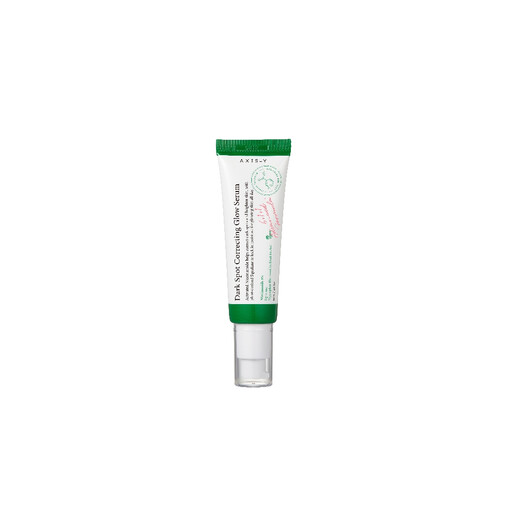
Why this product suits this profile: Described as a lightweight gel, the formula contains 5% niacinamide and squalane. It’s a good option if you’re looking for an easy-to-use niacinamide serum to help improve the appearance of uneven skin tone.
The stated niacinamide concentration makes it easier to assess the active ingredient than relying on vague glow claims alone. Check the INCI list against the packaging before you buy.
50 ml, with 5% niacinamide and squalane according to the product description; the supplier describes it as a lightweight gel with a non-sticky finish.
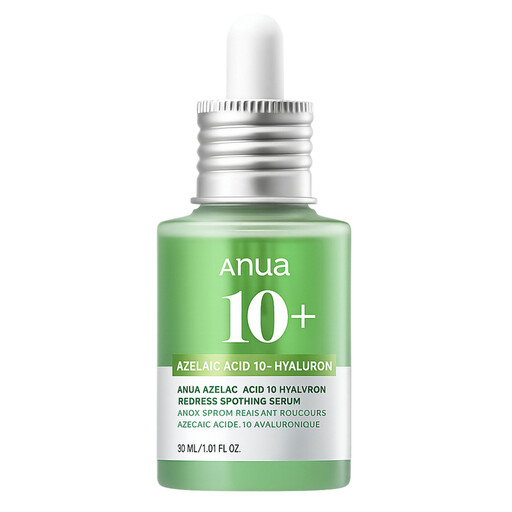
Why this product suits this profile: For anyone looking for a serum for sensitive or blemish-prone skin, or to address redness, the product description lists 10% azelaic acid, hyaluronic acid, panthenol and Cica ingredients.
The instructions recommend introducing it gradually, helping to avoid using a potent formula too often straight away. A patch test is still a good idea.
30 ml, with 10% azelaic acid according to the product description, and a lightweight, watery texture; guidance on use and sun protection is provided.
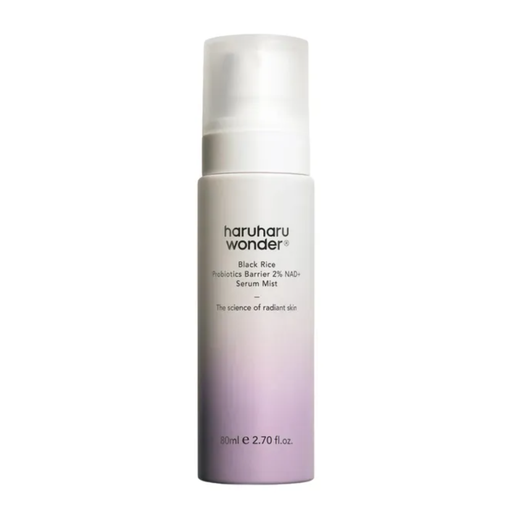
Why this product suits this profile: According to the product description, the serum contains 0.08% microencapsulated retinol, 1% bakuchiol and ceramide NP. It’s aimed at anyone looking to introduce retinol gradually into their evening routine.
The concentration is stated, and the recommended routine starts with two to three applications per week. This helps you avoid doing too much too soon.
According to the product description, it contains microencapsulated retinol, bakuchiol, ceramide NP and fermented black rice; it’s designed for evening use.
We’ve put together a complete, regularly updated list of products that meet these strict selection criteria and fully comply with the safety regulations in force in the EU.
After cleansing, apply two to three drops to your face and neck. Follow with moisturiser and, during the day, sunscreen. When trying a new active ingredient, start by using it less frequently.
Check the period-after-opening symbol, the printed best-before date and the manufacturer’s guidance. Products containing vitamin C or retinoids should be stored away from light and kept tightly closed, as directed on the packaging. If the product’s smell, colour or texture changes noticeably, stop using it.
Yes, as long as the formulations suit your skin. When you’re starting out, a simple routine focused on one skincare goal is easier to manage. Don’t combine ingredients such as retinoids, acids and highly concentrated vitamin C products without careful thought. If you have ongoing skin concerns or aren’t sure what to use, it may be helpful to speak to a dermatologist.